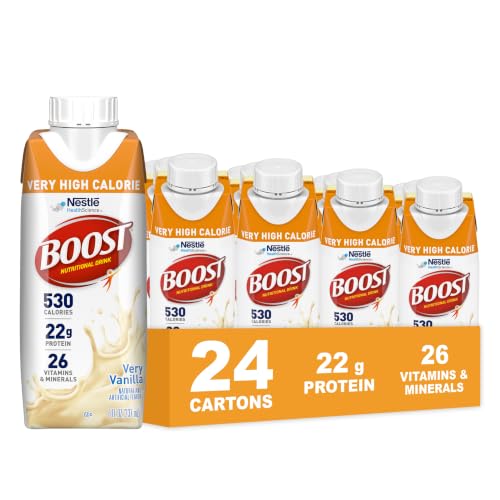
Milkshakes sit in a weird spot. They taste like dessert, but people use them like meals. The short answer is yes, they help you gain weight. The longer answer involves calories, protein, and a few traps most people walk into.
Weight gain comes down to a surplus. You eat more energy than you burn. A standard milkshake delivers anywhere from 400 to 1,000 calories in one sitting. That is a massive chunk of your daily needs. For a hardgainer struggling to hit 3,000 calories, one shake fixes the gap.

Naturade
Naturade Weight Gain Nutrition Drink Mix for…
- Balanced Nutrition For Healthy Weight Support: A calorie-dense nutrition drink mix designed to help support healthy weight mainten…
- Supports Active, Demanding Lifestyles: Ideal for active routines, workouts, and busy schedules when meeting daily calorie needs th…
- Gentle, Nourishing Support For Your Body: Thoughtfully designed for those experiencing appetite changes, fast metabolisms, or life…
But not all shakes work the same. A fast-food shake loaded with syrup and whipped cream packs sugar. It will put weight on, but much of it lands as fat. A homemade shake with whole milk, oats, peanut butter, and protein powder builds lean mass instead.

The Calorie Math Nobody Does
Most people underestimate what they actually eat. They think they eat enough, then wonder why the scale won’t move. Milkshakes solve this because they are liquid calories. Your brain does not register them the same way as solid food.
You can drink 800 calories and still feel hungry an hour later. That is the advantage. That is also the danger. The same mechanism that helps hardgainers pack on size will make a sedentary person gain fat quickly.
One observation from years of coaching: the type of milk matters more than the ice cream. Whole milk adds roughly 150 calories per cup. Swap that for almond milk and you cut the shake’s power in half. If your goal is weight gain, use whole milk or even add a scoop of dry milk powder.
Protein Content and Muscle Building
Gaining weight is not the same as gaining muscle. You need protein to build tissue. A typical diner shake has maybe 10 grams. That is nothing. A proper weight-gain shake should hit 30 to 50 grams.
This is where a product like banana milkshake nutrition gets interesting. Add a banana for carbs and potassium. Add a scoop of protein powder for the building blocks. Add peanut butter for healthy fats. You now have a complete meal replacement.
One thing that surprised me early on: blending changes how fast your body absorbs the sugar. A whole banana takes time to digest. Blend it and the glycemic load spikes. This is fine after a workout. It is less fine at 10 PM before bed.
The Standard Advice Is Wrong for Some People
Most nutritionists will tell you to eat whole foods. They warn against drinking your calories. That advice exists because most people overeat already. But for the underweight person, the advice backfires.
I have worked with clients who physically cannot eat another bite. Their stomachs are small. They get full after six bites of chicken and rice. Forcing more food makes them nauseous. A milkshake bypasses that mechanical fullness. It slides down without the stretch reflex.
So the standard advice protects the majority who need to lose weight. It fails the minority who need to gain. If you fall in the second group, ignore the warning and drink up.
How Often Should You Drink Them?
Start with one shake per day. Put it between meals, not with them. If you drink it with lunch, you will skip dinner. That defeats the purpose. A shake between breakfast and lunch adds calories without killing your appetite.
After two weeks, assess the scale. If you gained half a pound, keep the routine. If nothing moved, add a second shake. The body adapts fast. What worked in week one may stall by week three.
One caveat: the first few days may cause bloating. Your gut is not used to processing that much dairy and sugar at once. It settles down. Give it a week before judging the approach.
What to Put in a Weight Gain Shake
You want a balance of macros, not just sugar. Here is a template that works:
- 2 cups whole milk (300 calories)
- 1 banana (105 calories)
- 2 tablespoons peanut butter (190 calories)
- 1 scoop protein powder (120 calories)
- 1/2 cup oats (150 calories)
That lands around 865 calories with roughly 40 grams of protein. It tastes like a dessert but functions like a meal. Blend it for 30 seconds and drink within an hour.
If you need a simpler option, a commercial weight gain mix does the heavy lifting. Fruit smoothies for weight gain work, but the powder versions are more consistent. They measure the calories for you. You do not have to guess.
Commercial Mixes vs. Homemade
Homemade shakes are cheaper. They also taste better because you control the ingredients. The downside is consistency. One day your banana is small, the next it is huge. Your calorie count drifts.
Commercial mixes like the Naturade Weight Gain Drink Mix solve that problem. Each scoop delivers a predictable amount of calories and protein. The vanilla flavor blends well with milk, fruit, and ice. It is not a miracle product, but it is reliable.
What I like about the Naturade formula is the absence of extreme bulking claims. Some products promise 2,000 calories per shake. That is overkill and mostly sugar. This one focuses on balanced nutrition with vitamins and minerals. That matters when you drink them daily.
It also fits the busy schedule. You can mix it in under a minute. For someone who skips breakfast because of time, this replaces a missed meal. The company has been around since 1926, which counts for something in a category full of fly-by-night brands.
Check the expert answer on shakes for weight gain if you want the clinical breakdown. The short version: shakes work when they replace missed calories, not when they replace meals you would have eaten anyway.
Comparison Table: Homemade vs. Commercial Mix
| Factor | Homemade Shake | Naturade Mix |
|---|---|---|
| Calorie consistency | Varies with ingredients | Fixed per scoop |
| Prep time | 5-10 minutes | Under 1 minute |
| Protein per serving | Depends on powder | Balanced blend included |
| Vitamins and minerals | Only what you add | Fortified in the mix |
| Cost per shake | Lower | Moderate |
| Portability | Poor | Good |
The table shows a trade-off. Homemade gives you control and lower cost. Commercial gives you convenience and consistency. Neither is wrong. Pick based on your schedule and budget.
Does It Matter What Time You Drink It?
Yes. A shake post-workout goes to muscle repair. The same shake at midnight goes to fat storage. Your body’s insulin sensitivity is highest after exercise. That is the window to use carbs aggressively.
Morning shakes work too. They break the overnight fast and kickstart protein synthesis. The worst time is right before bed, unless you are severely underweight. In that case, any calorie is a good calorie.
One thing I learned the hard way: do not drink a heavy shake during a meal. It dilutes stomach acid and slows digestion. You feel full but undernourished. Keep the shake separate from solid food by at least an hour.
What About Diet Soda Drinkers?
Some people pair milkshakes with diet sodas. They think the zero-calorie drink balances things out. It does not. The artificial sweeteners can trigger cravings for more sugar. You end up eating more later.
If you are serious about gaining weight, skip the diet drinks entirely. They train your palate to expect sweetness without calories. That works against your goal. Stick with water or plain milk between shakes. The diet soda weight gain link is worth reading if you use them regularly.
Common Mistakes That Sabotage Progress
The biggest mistake is drinking a shake and then skipping a meal. You think you saved calories. You actually lost them. The shake replaces the meal, not adds to it. Net gain is zero.
Second mistake: using low-fat or skim milk. You cut 80 calories per glass. Over a month, that is thousands of missing calories. If you want to gain weight, do not diet your shake.
Third mistake: ignoring the rest of your diet. A shake adds 800 calories, but if you eat junk the rest of the day, you gain fat. The shake should supplement a solid diet, not excuse a poor one.
How Long Until You See Results?
One pound of weight equals about 3,500 calories. If your shake adds 500 calories over your maintenance, you gain one pound per week. That is the math. Most people see a change on the scale within two to three weeks.
Muscle gain is slower. You might add water weight and glycogen first. Real tissue takes four to six weeks to show. Do not panic if the first week shows a five-pound jump. Some of that is water retention from the carbs.
Take progress photos. The scale lies. Muscle weighs more than fat. If your waist stays the same and your arms grow, you are winning.
Final Thoughts on Milkshakes for Weight Gain
Milkshakes absolutely help you gain weight. They are calorie-dense, easy to consume, and versatile. The key is using them strategically. Add them between meals, use whole ingredients, and track your progress weekly.
If you want the convenience, a quality mix like the Naturade product takes the guesswork out. It is not perfect, but it is dependable. Blend it with whole milk and a banana for the best results.
Stop overthinking the process. Pick a shake, drink it daily, and watch the scale. Your body will respond to the surplus. It always does.