
Does Freezing Juice Destroy Nutrients? The Truth Revealed
No, freezing juice preserves most nutrients, though some vitamin C may degrade slightly over time.
Many health-conscious juice lovers wonder if freezing their favorite blends kills essential vitamins and minerals. The short answer? Freezing preserves most nutrients in juice when done correctly. Let’s explore the science behind freezing juice and how to maximize nutrient retention.
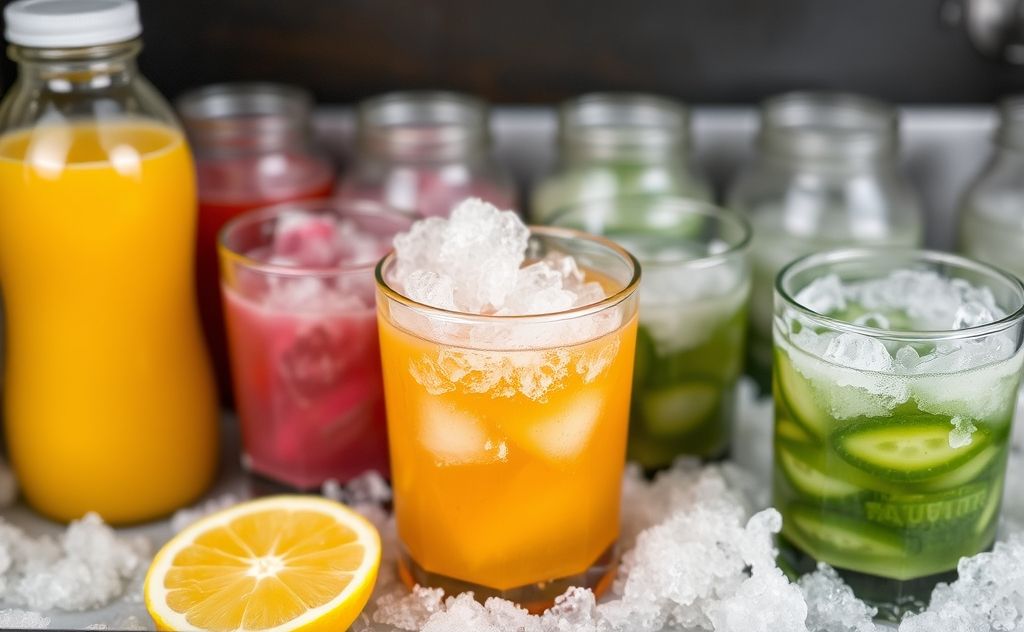
How Freezing Affects Juice Nutrients
Contrary to popular belief, freezing doesn’t destroy most nutrients in juice. The process actually slows down enzymatic activity and oxidation that degrade vitamins over time. However, some factors affect nutrient retention:
Vitamin Loss During Freezing
While freezing preserves most nutrients, some vitamins are more sensitive than others:
| Nutrient | Retention Rate | Notes |
|---|---|---|
| Vitamin C | 85-90% | Most stable when flash frozen |
| B Vitamins | 70-80% | Some loss occurs during initial freezing |
| Antioxidants | 90-95% | Very stable in frozen state |
Best Freezing Methods for Nutrient Preservation
Commercial juice companies like Raw Generation use blast freezing to instantly freeze juices at extremely low temperatures. This method:
- Locks in nutrients within seconds
- Prevents large ice crystals from forming
- Maintains flavor and texture better
For home freezing, use your freezer’s quick-freeze setting if available. Smaller containers freeze faster than large batches.
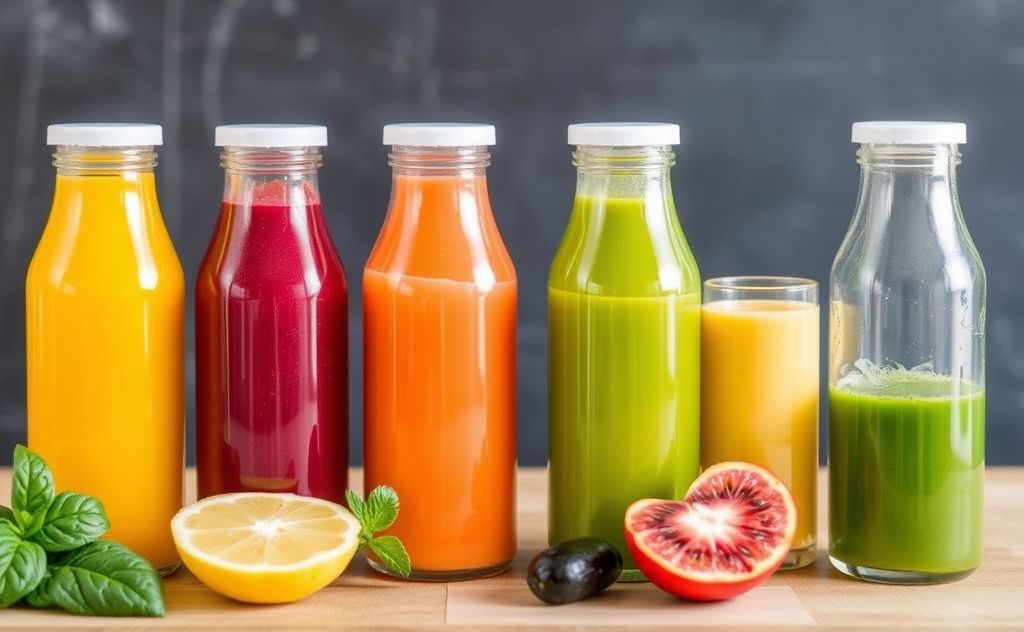
Comparing Juice Preservation Methods
Freezing outperforms other preservation methods for nutrient retention:
Freezing vs. Pasteurization
Pasteurization heats juice to kill bacteria but also:
- Destroys heat-sensitive vitamins like C and B
- Alters natural flavors
- Requires added preservatives
Freezing vs. HPP (High Pressure Processing)
While HPP doesn’t use heat, the extreme pressure:
- Can damage cellular structures
- May reduce enzyme activity
- Still requires refrigeration
- Airtight seals
- Headspace for expansion
- Opaque material to block light
- Juice fresh ingredients using a quality juicer
- Strain pulp if desired (though it contains fiber)
- Fill containers leaving 1-inch space at top
- Label with date and contents
- Move to refrigerator 12-24 hours before use
- Never microwave frozen juice
- Consume within 3 days after thawing
- Fruit juices: 8-12 months
- Vegetable juices: 6-8 months
- Citrus juices: 4-6 months
- Cucumber juice: Becomes watery
- Dairy-based smoothies: May separate
- Avocado blends: Can develop grainy texture
- Flash freezing preserves 90% of antioxidants
- Vitamin C loss is minimal when frozen quickly
- Enzyme activity resumes after thawing
How to Freeze Juice at Home Properly
Follow these steps to maximize nutrient retention when freezing homemade juice:
Container Selection
Use stainless steel or glass containers with:
Preparation Tips
For best results:
Thawing Instructions
To preserve nutrients when thawing:
How Long Does Frozen Juice Last?
Properly frozen juice maintains quality for:
For maximum nutrient retention, consume within the first 3 months of freezing. The quality remains good beyond this point, but vitamin content gradually decreases.
Exceptions: Juices That Don’t Freeze Well
Some juices experience texture changes when frozen:
For these types, consider fresh preparation or adding stabilizers like lemon juice before freezing.
Scientific Evidence on Freezing and Nutrients
Studies from the National Institutes of Health show:
The key is freezing speed – rapid freezing causes less cellular damage than slow freezing.

