Does Dole Pineapple Juice Contain Bromelain? The Truth
On this page 7 sections
- Dole Pineapple Juice and Bromelain Content
- Bromelain: What It Is and Why It Matters
- Pasteurization’s Impact on Bromelain in Pineapple Juice
- Comparing Dole Pineapple Juice with Fresh Pineapple and Supplements
- Reading Pineapple Juice Labels for Bromelain
- Getting Bromelain Benefits from Pineapple
- Frequently Asked Questions
You might have heard that pineapple juice contains bromelain, an enzyme linked to digestion and anti-inflammatory effects. Dole 100% Pineapple Juice is widely available and marketed as pure juice with no added sugar, but does it really deliver bromelain benefits?
This article explains what bromelain is, how Dole processes its juice, and what that means for you if you want to get bromelain from pineapple juice or other sources.
Dole Pineapple Juice and Bromelain Content
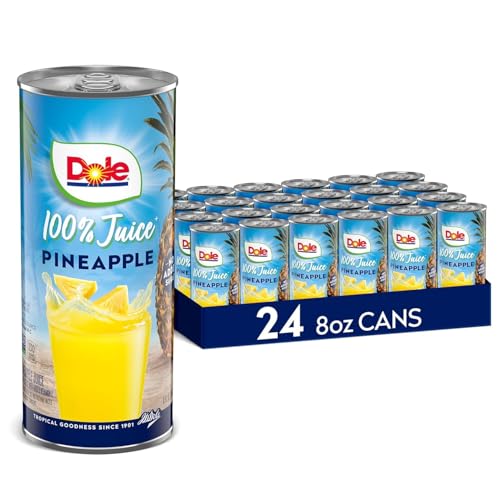
Dole pineapple juice does contain bromelain molecules, but it has no active bromelain enzyme. This is because the juice is pasteurized, a heat process that destroys bromelain’s enzyme activity. Whether canned or bottled, Dole pineapple juice offers flavor and vitamin C but not the enzyme’s protein-breaking benefits.

Bromelain refers to a group of proteolytic enzymes naturally found in pineapple. These enzymes break down proteins and are mainly concentrated in the pineapple stem, with smaller amounts in the fruit. Since Dole juice is made from pineapple fruit only, it starts with a low bromelain level.
Dole pineapple juice undergoes pasteurization at temperatures typically around 160°F to 190°F (about 70°C to 90°C). Bromelain enzymes are heat-sensitive and lose their activity quickly when exposed to such heat. Pasteurization ensures safety and shelf life but deactivates these enzymes completely.
This means although bromelain molecules may still be detectable in the juice, they no longer function as enzymes. You won’t get the digestive or anti-inflammatory effects attributed to active bromelain by drinking pasteurized Dole pineapple juice.
| Process | Approximate Temperature | Effect on Bromelain |
|---|---|---|
| Raw pineapple fruit or stem | Ambient to 50°F (10°C) | Bromelain active |
| Pasteurization in juice production | 160°F to 190°F (70°C to 90°C) | Bromelain deactivated |
| Commercial Dole Pineapple Juice | Pasteurized | No active bromelain present |
Bromelain: What It Is and Why It Matters
Bromelain is a group of enzymes in pineapple that help break down proteins and support digestion and inflammation control. It exists both in the pineapple fruit and stem, but the stem contains about ten times more bromelain than the fruit itself.

These enzymes have anti-inflammatory properties and have been studied for reducing swelling and aiding digestion. Bromelain supplements often come from the pineapple stem to maximize enzyme content.
Pineapple juice contains vitamin C, which supports immune function and overall health. This vitamin remains stable during pasteurization, so pineapple juice, including Dole’s, is a reliable source of vitamin C regardless of bromelain activity.
The key difference between fresh pineapple and processed juice is enzyme activity. Fresh pineapple, especially the stem and core, has active bromelain enzymes. Pasteurized pineapple juice loses this activity due to heat treatment, so it delivers vitamins and flavor but not active enzymes.
| Source | Bromelain Activity | Vitamin C Content |
|---|---|---|
| Pineapple Stem | High enzyme activity | Low to moderate |
| Pineapple Fruit | Low enzyme activity | Moderate |
| Fresh Pineapple Juice | Variable, if unpasteurized | Moderate to high |
| Pasteurized Pineapple Juice (Dole) | No enzyme activity | Moderate to high |

Pasteurization’s Impact on Bromelain in Pineapple Juice
Canned pineapple juice contains virtually no active bromelain because the canning process uses high heat that destroys this enzyme completely. Bottled pineapple juice, including Dole’s, is pasteurized by heating to about 160-185°F (71-85°C) for 15-30 seconds to kill harmful bacteria. Bromelain is heat-sensitive and loses nearly all activity above roughly 122°F (50°C).
The pasteurization step in commercial juice production inactivates almost all bromelain enzymes. Even freezing the juice afterward does not restore any enzyme activity since freezing preserves but does not reactivate proteins denatured by heat.
| Processing Method | Temperature Range | Bromelain Activity |
|---|---|---|
| Fresh pineapple (unprocessed) | Not heated | Fully active |
| Bottled juice (pasteurized) | 160-185°F for 15-30 seconds | Nearly zero |
| Canned juice (sterilized) | Above 212°F (100°C) | None |
Comparing Dole Pineapple Juice with Fresh Pineapple and Supplements
Pineapple juice, including Dole’s, generally contains little to no active bromelain due to pasteurization. Fresh pineapple offers about 20-30 mg of active bromelain per cup (approximately 165 g) because it is consumed raw without heat treatment.
Bromelain supplements provide a concentrated and consistent dose, often around 1700 mg per capsule, far exceeding what you would get from fresh pineapple or juice. These supplements are best suited for therapeutic purposes requiring reliable bromelain intake.
For everyday consumption, fresh pineapple is your best natural source of active bromelain. Dole pineapple juice still delivers vitamin C and manganese, valuable nutrients that support health, but it does not provide the enzyme benefits linked to bromelain.
| Source | Typical Bromelain Amount | Enzyme Activity |
|---|---|---|
| Fresh pineapple (1 cup) | 20-30 mg | Active |
| Dole pineapple juice (8 oz) | Trace or none | Inactive |
| Bromelain supplement (1 capsule) | About 1700 mg | Active and concentrated |
Reading Pineapple Juice Labels for Bromelain
Canned pineapple juice does not contain active bromelain because the heat used in canning destroys the enzyme. Bottled pineapple juice is usually pasteurized, which also eliminates bromelain activity.
Check the label for the word “pasteurized”. This means the juice has been heat-treated to kill bacteria, but that heat also deactivates bromelain enzymes. “From concentrate” labels indicate the juice was concentrated through heating and later reconstituted, so active enzymes won’t survive this process.
Juices labeled as “unpasteurized” or “raw” may retain some active bromelain, but these are rare in commercial pineapple juices due to food safety regulations. “Fresh pressed” can suggest minimal processing, but you still need to check for pasteurization notes—some fresh-pressed juices are still pasteurized.
Added acids like citric acid, often listed under ingredients, can further degrade bromelain enzymes. The country of origin might hint at traditional processing methods, but it’s no guarantee of bromelain presence or activity.
Getting Bromelain Benefits from Pineapple
Pineapple juice does not contain active bromelain due to pasteurization, so relying on juice for bromelain benefits isn’t effective. To get natural bromelain, choose fresh pineapple chunks, which contain active enzymes that help with protein digestion and inflammation.
If you need a consistent or higher dose of bromelain, especially for inflammation or digestive support, consider a bromelain supplement. These provide measured amounts and are made to preserve enzyme activity.
Use Dole pineapple juice for vitamin C and hydration, but avoid counting on it for bromelain effects. Canned or bottled juices won’t deliver active enzymes.
If you plan to take bromelain supplements alongside medications, check with your healthcare provider first. Bromelain can interact with blood thinners and some antibiotics, so professional advice ensures safety.
