Does Cranberry Juice Help With Period Cramps? How Much a Day
On this page 6 sections
- Cranberry Juice and Period Cramps: What the Evidence Shows
- Safe Amounts of Cranberry Juice for Easing Period Cramps
- Conditions That Call for Caution With Cranberry Juice During Periods
- Better Drink Choices to Support Period Cramp Relief
- What to Watch For: Side Effects and When to Call Your Doctor
- Frequently Asked Questions
Say you experience painful cramps and bloating before your period starts. You wonder if cranberry juice could ease your discomfort without medication. Cranberry juice isn’t a muscle relaxant, but it may help by lowering inflammation and reducing water retention that adds pressure on pelvic nerves.
This article explains what cranberry juice does and does not do for period cramps, how much to drink safely, who should avoid it, and what other drinks might suit you better.
Cranberry Juice and Period Cramps: What the Evidence Shows
Cranberry juice offers only mild relief for period cramps, if any. It may help slightly by reducing inflammation and supporting hydration, but it is not a proven pain reliever. Most evidence is anecdotal or indirect, focusing on cranberry’s antioxidant and anti-inflammatory compounds rather than direct effects on menstrual pain.
Cranberry juice is not a direct muscle relaxant, so it won’t stop the cramping pain itself. However, it contains antioxidants like quercetin that may reduce inflammation linked to menstrual pain. This anti-inflammatory effect can help make discomfort feel less intense.
The juice’s mild diuretic action encourages your body to flush excess water, which lowers pelvic swelling and pressure that can worsen cramps. This effect is why cranberry juice benefits female periods primarily through easing bloating rather than relaxing uterine muscles.
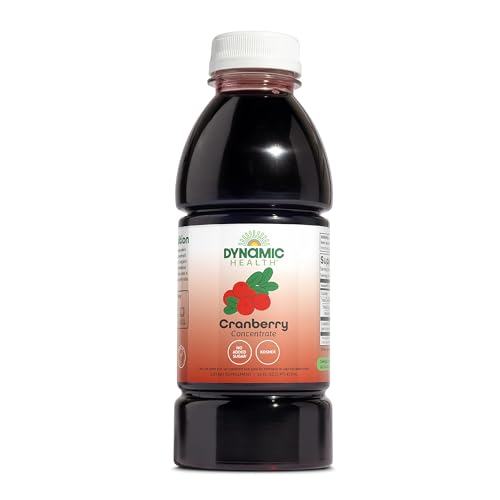
Beware sugary cranberry cocktails or drinks with added sugars, as those can increase inflammation and potentially worsen cramps. Choosing 100% cranberry juice or an unsweetened concentrate keeps your intake focused on the beneficial compounds without extra sugars that may aggravate symptoms.
Drinking cranberry juice during your period is safe and can support mild relief, but it does not make your period start sooner or heavier. Cranberry juice does not induce menstruation, so it won’t “make you see periods.” Its role is mainly supportive by reducing discomfort related to water retention and inflammation.
Safe Amounts of Cranberry Juice for Easing Period Cramps
You can safely drink about 8 to 12 oz (one small glass) of cranberry juice daily during your period to support hydration and mild inflammation relief. Avoid larger amounts because cranberry juice is acidic and high in natural sugar, which might irritate sensitive stomachs or worsen cramps for some people.
Diluting cranberry juice concentrate with water is important to reduce its acidity and prevent stomach irritation. Undiluted concentrate or drinking more than 4 oz a day can cause stomach upset or worsen cramps for some people.
Keeping your intake to under 4 oz of concentrate daily also limits excess calories and acidity, which can otherwise increase discomfort rather than relieve it.
Drinking cranberry juice every day in moderate amounts is generally safe for most healthy adults. Side effects like stomach irritation or acid reflux happen mainly at higher doses or when juice is not diluted. If you notice worsening cramps or stomach pain, reduce the amount or frequency.
Starting cranberry juice a few days before your expected period and continuing through it gives the antioxidant and diuretic effects time to help reduce water retention and inflammation associated with cramps.
If you have sensitive stomach or reflux, diluting the juice well or choosing a lower-acid juice option can prevent side effects. Drinking cranberry juice in the recommended amounts is unlikely to make cramps worse unless you exceed these guidelines.
Conditions That Call for Caution With Cranberry Juice During Periods
Cranberry juice is not ideal for everyone during your period. While it offers some mild relief by reducing water retention, people with acid reflux or sensitive stomachs may find it worsens their symptoms due to its natural acidity.
If you take blood thinners such as warfarin, check with your healthcare provider before adding cranberry juice to your routine. It can interact with these medications and increase bleeding risk.
Kidney disease requires extra caution. Cranberry juice contains potassium and oxalates that can accumulate when kidney function is reduced, potentially causing harm.
Avoid sugary cranberry cocktails or mixed juice drinks. Their added sugars may raise inflammation and cause blood sugar spikes, which can worsen period discomfort.
Pregnant women should consult their doctor before drinking cranberry juice daily during menstruation. While it may help with mild bloating, safety and effects vary during pregnancy.
Cranberry juice may ease bloating during your period thanks to its antioxidants and mild diuretic effects. If you have certain health issues or concerns, check with your healthcare provider before making it a regular part of your period routine.
 Home Juicing Starter KitMake fresh juice that tastes good, costs less and keeps safely: 40 recipes with exact amounts, a yield chart and a 4-week plan.40 juice, smoothie and shot recipesYield, storage and food-safety chartsCost, yield and shopping-list calculator (Excel)
Better Drink Choices to Support Period Cramp Relief
Drinking cranberry juice during your period can help with bloating, but other drinks may offer greater relief for cramps and overall comfort.
Water is essential. Staying well-hydrated reduces bloating and supports your body’s natural balance during menstruation.
Magnesium-rich drinks or supplements may ease cramps by relaxing the uterine muscles. Magnesium helps muscles contract and relax smoothly, which can reduce cramping intensity.
Caffeine-free herbal teas, such as chamomile, also provide gentle relief. Chamomile contains compounds that may reduce inflammation and soothe pelvic discomfort without the acidity of cranberry juice.
Coconut water offers natural electrolytes without added sugar and can help manage cramps and hydration simultaneously. It’s a good alternative if you want something flavorful but gentle.
For more options, see does coffee help or worsen period cramps and does coconut water help with period cramps. These pages explore drinks that might complement or substitute cranberry juice depending on your symptoms and preferences.
What to Watch For: Side Effects and When to Call Your Doctor
Watch for side effects like stomach upset, heartburn, or allergic reactions when drinking cranberry juice during your period. Stop drinking it if you notice worsening cramps or digestive discomfort. If you experience severe pain, unusual bleeding, or signs of dehydration such as dizziness or rapid heartbeat, contact your doctor promptly.
Drinking too much cranberry juice may cause diarrhea or urinary discomfort because its mild diuretic effect pushes more water and salts through your system.
If you notice severe abdominal pain, blood in your urine, or signs of an allergic reaction such as rash or swelling, contact your doctor immediately.
People on blood thinners should discuss cranberry juice intake with their healthcare provider since cranberry can interact with these medications and affect blood clotting.
Kidney disease patients also need to consult their care team before drinking cranberry juice regularly, as it may influence potassium levels and kidney function.
Always follow your healthcare provider’s specific advice on cranberry juice or any drink during your period, especially if you have existing conditions or medications.