Does Coffee Count Toward Your Daily Water Intake? The Net Fluid Math
On this page 9 sections
- The Short Answer: Yes, But Here Is the Science
- The Diuretic Myth: Why Your Morning Cup Isn’t Draining You
- The “Net Fluid” Calculation: How Much Water You Actually Keep
- When Coffee Counts Less (High Doses, Fasting, and Intense Exercise)
- Does Decaf or Coffee with Milk Count Differently?
- The Practical Guide: How to Track Without Obsessing
- Quick Reference Table: Coffee Scenarios vs. Hydration Value
- Signs You Are Actually Dehydrated (Not Just Caffeinated)
- The Bottom Line: Hydration is About Total Fluids, Not Just Water
You wake up, pour a mug of black coffee, and then stare at your water bottle with a nagging question: does this cup count, or am I starting the day already behind? Most people have heard conflicting answers. Your gym buddy swears coffee dehydrates you. Your doctor says it’s fine. The internet offers both extremes with equal confidence.
Here’s what you’ll walk away knowing: coffee is roughly 98% water, and for most people, it counts toward daily fluid intake. But the real answer depends on a few variables—your caffeine tolerance, how much you drink, and whether you’re exercising hard. This guide walks through the net fluid math so you can stop guessing and hydrate on autopilot.
If you’re brewing at home, a reliable machine makes the habit easier to stick with. The Check price on Amazon has a front-facing water window so you see exactly how much water goes in, which pairs nicely with the hydration logic below. It also includes a sneak-a-cup feature to pour a mug mid-brew without drips—handy when you’re tracking fluids on the go.
The Short Answer: Yes, But Here Is the Science
Plain water and coffee both end up in your stomach and then your bloodstream. Your body doesn’t have a special receptor that says “this came from a bean, so treat it differently.” Hydration is about total fluid intake, not the source.
The old advice to avoid coffee because it dehydrates you comes from studies done decades ago on people who consumed large amounts of caffeine quickly, often without prior tolerance. Those studies showed a short-term increase in urine output. But your body adapts.
For a regular coffee drinker, the mild diuretic effect fades within a few days of consistent intake. Your kidneys adjust fluid reabsorption to maintain balance. That means your morning cup hydrates you almost as well as the same volume of water.
The Diuretic Myth: Why Your Morning Cup Isn’t Draining You
Let’s bust the biggest misconception first. Caffeine is a mild diuretic, but the effect is tiny and temporary. A 2026 review in the Journal of the American College of Nutrition looked at caffeine doses up to 360 mg and found no evidence of dehydration in habitual coffee drinkers.
The confusion comes from the “first cup” effect. If you never drink caffeine and then slam a strong espresso, you might feel a sudden urge to pee. That’s real, but it’s not the same as losing more fluid than you took in. The net loss is negligible.
Here’s the practical part: if you drink coffee daily, your body has built caffeine tolerance. The diuretic effect diminishes, and your kidney function normalizes. So your daily 12-ounce mug is contributing roughly 350 ml of fluid to your total, not draining you.
The “Net Fluid” Calculation: How Much Water You Actually Keep
Let’s do the math you won’t find in most articles. A standard 8-ounce cup of coffee contains about 95 mg of caffeine and roughly 236 ml of water. Studies on habitual drinkers show that urine output increases by about 1.2 ml per mg of caffeine consumed—but only in people who don’t regularly drink coffee.
For a regular drinker, that effect drops to nearly zero. Even in non-habitual drinkers, the increase in urine is less than the volume of coffee consumed. You retain most of the fluid.
So the realistic net retention from a cup of coffee is 80–90% of its volume. A 12-ounce mug gives you about 340 ml of usable fluid. That’s not a perfect 1:1 swap with water, but it’s close enough that you shouldn’t subtract every cup from your daily water goal.
One caveat: if you load your coffee with milk and sugar, the extra calories don’t change hydration, but they do add up. Black coffee or coffee with a splash of milk hydrates the same way. The milk in coffee actually adds a small amount of fluid and electrolytes, so it’s a slight bonus, not a penalty.
 Caffeine & Sugar Drink GuideKnow exactly how much caffeine, sugar and sodium is in 150+ popular drinks, and set daily limits that fit you.Caffeine and sugar in 150+ drinksDaily limits, smart swaps and a cut-back planDaily caffeine and sugar calculator (Excel)
When Coffee Counts Less (High Doses, Fasting, and Intense Exercise)
Not every coffee situation is equal. Three scenarios change the hydration math.
The 400mg Caffeine Threshold
The FDA suggests a daily limit of 400 mg of caffeine for healthy adults. That’s about four 8-ounce cups. Below that, coffee hydrates. Above it, especially if you’re not a regular drinker, you may see a measurable increase in urine output.
A non-habitual drinker who downs a 300 mg energy drink or a triple espresso in one sitting might lose more fluid than they gain. That’s the high-dose caffeine effect. But it’s not a reason to skip coffee—it’s a reason to spread your intake across the day.
Sweating vs. Caffeine: Which Dehydrates You More?
If you’re running in the heat, sweat rate dwarfs any diuretic effect from caffeine. A liter of sweat per hour is common during intense exercise. Your coffee’s diuretic effect might add an extra 50 ml of urine—that’s nothing compared to what you’re losing through your skin.
So during a workout, coffee counts less because your fluid balance is already strained. You need water and electrolytes, not caffeine. Save the espresso for after the session, and pair it with a glass of water.
Does Decaf or Coffee with Milk Count Differently?
Decaf coffee counts the same as water. The caffeine content is so low (about 2–5 mg per cup) that it has no diuretic effect. It’s essentially flavored water with a bit of color.
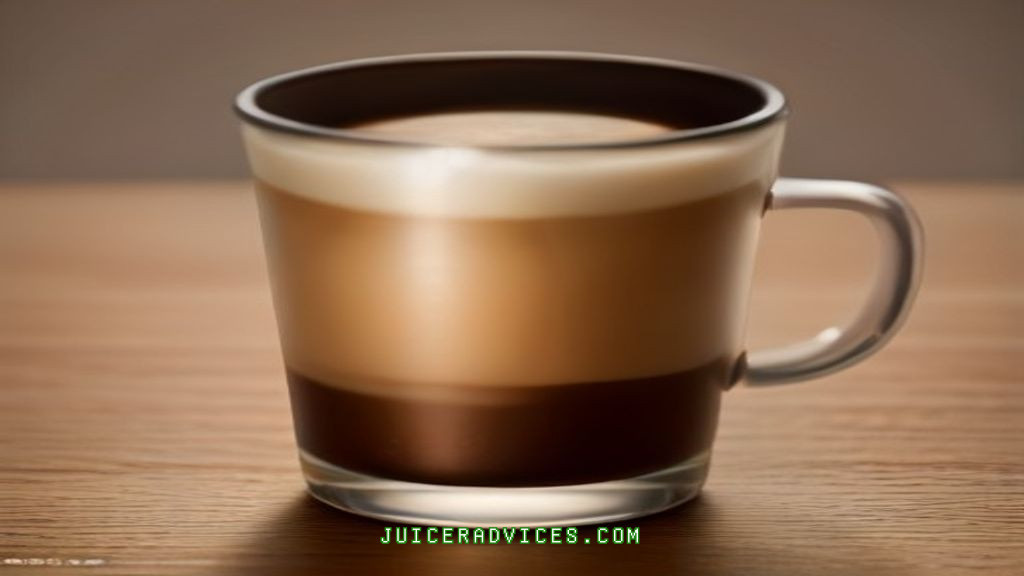
Coffee with milk also counts. The milk is mostly water, and it adds electrolytes like calcium and potassium. A latte or cappuccino is more hydrating than black coffee, not less, because the milk volume adds to total fluid intake.
One thing to watch: sugary coffee drinks. A caramel frappuccino with whipped cream might be 16 ounces of fluid, but the sugar load can cause a mild osmotic shift that pulls water into your gut. It’s still hydrating overall, just not as clean as black coffee or water.
The Practical Guide: How to Track Without Obsessing
You don’t need a hydration app or a marked water bottle to get this right. Here’s a simple framework:
- Count coffee as 80–90% of its volume toward your daily fluid intake. A 12-ounce mug counts as roughly 10 ounces of water.
- Set a baseline of 2–2.5 liters of total fluid per day for most adults, more if you exercise or live in a hot climate.
- If you drink 3 cups of coffee, count them as about 1 liter of fluid, then fill the rest with water, tea, or food.
- Use water-rich foods to close the gap. Cucumbers, watermelon, oranges, and lettuce are 90%+ water and count toward your daily fluid intake.
- Ignore the thirst mechanism if it’s unreliable—older adults and athletes often lose thirst sensitivity. Drink on a schedule instead.
The psychological angle matters too. Obsessing over whether each sip “counts” creates unnecessary anxiety. Your body’s hydration status is a whole-day average, not a per-cup score. Drink when thirsty, include coffee, and stop worrying about the ledger.
Quick Reference Table: Coffee Scenarios vs. Hydration Value
| Scenario | Caffeine Dose | Net Hydration Value | Notes |
|---|---|---|---|
| Black coffee, 1–3 cups/day (habitual drinker) | 95–285 mg | ~90% of volume | Count it like water |
| Black coffee, 1 cup (non-habitual drinker) | 95 mg | ~80% of volume | Mild first-cup diuretic effect |
| Espresso shot (1 oz) | 63 mg | ~85% of volume | Small volume, negligible effect |
| Decaf coffee | 2–5 mg | ~98% of volume | Same as water |
| Latte (12 oz, whole milk) | ~95 mg | ~95% of volume | Milk adds fluid and electrolytes |
| Pre-workout coffee + intense exercise | 150 mg | Positive but insufficient | Replace sweat with water/electrolytes |
| Energy drink (16 oz, 300 mg caffeine) | 300 mg | ~70% of volume | High dose, non-habitual users lose more |
Signs You Are Actually Dehydrated (Not Just Caffeinated)
People blame coffee for dehydration symptoms that are actually just caffeine side effects. A racing heart, jitters, and a dry mouth aren’t the same as dehydration. Here’s how to tell the difference.
Real dehydration shows up as dark yellow urine, dizziness when standing, headaches that don’t improve with caffeine, and a dry mouth that water fixes within minutes. Caffeine jitters feel like anxiety and usually fade within an hour.
If your urine is pale yellow, you’re hydrated—regardless of how much coffee you’ve had. That’s the simplest, most reliable hydration status check at home. No app needed.
The Bottom Line: Hydration is About Total Fluids, Not Just Water
Here’s what you can take with you:
- Coffee counts toward your daily water intake. Treat it as 80–90% of its volume.
- The diuretic effect is real but tiny, and it disappears with regular caffeine tolerance.
- Exercise and high caffeine doses (>400 mg in one sitting) change the math—sweat is the bigger problem.
- Decaf and milk-based coffee drinks hydrate even better than black coffee.
- Watch urine color, not your coffee cup count, to gauge hydration.
- Pair coffee with water-rich foods like fruit to smooth out any mild fluid loss.
- Don’t obsess. Total fluid intake across the day matters more than any single cup.
For more on how other drinks fit into your hydration picture, check out this breakdown on tonic water intake and whether it actually hydrates. And if you’re curious about caffeine’s broader effects, this piece on coffee and memory covers what the research says.