Does Coffee Help or Hurt Muscle Growth? The Truth
On this page 4 sections
Coffee is a common companion for many fitness enthusiasts, known for its caffeine content that can enhance exercise performance. But does it truly help muscle growth, or could it hinder your gains?
Understanding the balance between coffee’s benefits and drawbacks can guide you to drink it in a way that supports your muscle-building goals.
Coffee’s Impact on Muscle Growth
Coffee can help muscle growth when consumed properly, up to about 400 mg of caffeine daily (roughly 4 cups). Its caffeine boosts workout strength and endurance and reduces muscle soreness, but timing matters to avoid sleep disruption that would impair muscle repair.
Caffeine in coffee stimulates your central nervous system, increasing alertness and allowing you to push harder during workouts. This boost in strength and endurance supports muscle growth by enabling more effective training sessions.
After exercise, caffeine blocks adenosine receptors, which are involved in pain signaling. This reduces the feeling of muscle soreness, helping you recover faster and encouraging consistent training—key for muscle development.
However, drinking coffee late in the day can interfere with your sleep. Since muscle repair largely happens during deep sleep stages, poor sleep quality can undermine the benefits of your workouts and slow muscle growth.
To balance these effects, keep your caffeine intake below 400 mg daily and avoid coffee after early afternoon. This helps you enjoy the workout benefits without sacrificing restorative sleep.
Excess caffeine can also cause mild dehydration and reduce iron absorption, which might affect muscle function and energy. Drinking plenty of water and maintaining a balanced diet can minimize these risks.
Regarding cranberry juice, it doesn’t directly support muscle growth. While it offers antioxidants and hydration, it lacks caffeine’s performance-enhancing effects. For muscle growth, coffee’s caffeine is the active component to consider.
People Who Should Limit Coffee for Muscle Growth
Some people need to limit or avoid coffee when focusing on muscle growth due to specific health concerns or medications. Sensitivity to caffeine varies widely—if you find coffee makes you jittery, anxious, or disrupts your sleep, cutting back to under 200 mg daily or switching to decaf can help protect your rest, which is crucial for muscle repair.
Sleep disorders like insomnia or restless leg syndrome make caffeine a poor choice late in the day. Even morning coffee may worsen symptoms if you’re highly sensitive.
Iron-deficiency anemia is another reason to limit coffee. Compounds in coffee can reduce iron absorption if you drink it with or soon after meals. If low iron is a concern, avoid coffee an hour before and two hours after eating iron-rich foods.
People at risk of dehydration or with kidney issues should be cautious. Coffee’s mild diuretic effect can increase fluid loss, so staying well hydrated is key. If you have chronic kidney disease, check with your doctor before adding caffeine, as it may affect kidney function or interact with medications.
Certain medications interact with caffeine, including some antibiotics, heart medicines, and stimulants. If your pill bottle or pharmacist warns about caffeine, follow that advice closely to avoid side effects like rapid heartbeat or increased blood pressure.
Herbs like magnesium-rich chamomile or valerian root may help with muscle spasms and promote relaxation without caffeine’s stimulating effects. They are useful alternatives if coffee worsens your spasms or sleep.
Better Drink Choices for Muscle Growth Support
Low-caffeine or caffeine-free drinks can support muscle growth safely for those limiting coffee. Herbal teas, such as rooibos or ginger, provide antioxidants without caffeine’s stimulant effect, helping reduce inflammation after workouts.
Electrolyte-rich drinks like coconut water or specially formulated sports drinks help replenish minerals lost through sweat, supporting muscle contraction and hydration. Choose options with low added sugar to avoid excess calories.
Protein shakes and smoothies are excellent for muscle repair when consumed within about 30 to 60 minutes after exercise. Combining a quality protein powder with fruits and vegetables adds antioxidants and nutrients that aid recovery.
Hydrating fluids like water or infused waters avoid caffeine’s mild diuretic effects and keep muscles well hydrated. Staying hydrated helps prevent cramps and supports overall muscle function.
Cranberry juice is not known to directly support muscle growth, but it provides antioxidants and hydration. However, it often contains added sugar, so choose unsweetened versions and limit intake to about 4 oz per day if managing sugar intake.

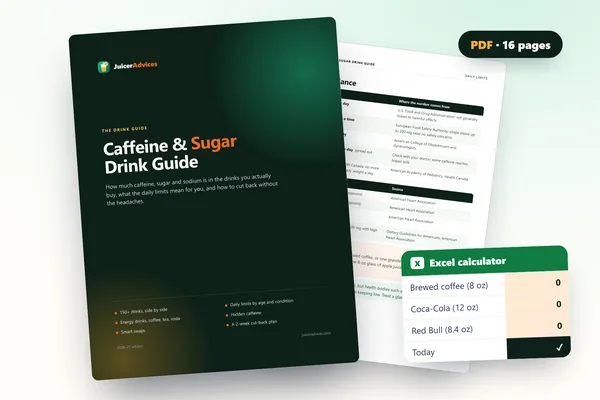 Caffeine & Sugar Drink GuideKnow exactly how much caffeine, sugar and sodium is in 150+ popular drinks, and set daily limits that fit you.Caffeine and sugar in 150+ drinksDaily limits, smart swaps and a cut-back planDaily caffeine and sugar calculator (Excel)