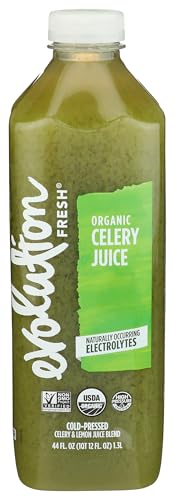
The short answer is yes, celery juice can help. But it is not a magic bullet. It works best as part of a larger strategy for blood sugar control. The science points to specific compounds in celery that support glucose metabolism.
You have two honest paths here. You can buy pre-made celery juice from a store. Or you can make it fresh at home with a juicer. Both work. They just cost different amounts of money and time.

BRECIOUS
Slow Masticating Juicer,Brecious Cold Press Juicers with…
- Cold Press Slow Juicer Technology: The Brecious slow masticating juicer uses advanced cold press technology with an upgraded 7-sta…
- Multi-Function Control Buttons: Designed with dedicated Soft / Hard / Reverse modes to match different fruits and vegetables. Simp…
- Powerful & Quiet Motor: Equipped with a high-performance motor that operates at less than 60 dB, allowing you to enjoy fresh juice…

What the Science Says About Celery and Blood Sugar
Celery contains phytonutrients like luteolin and apigenin. These compounds have shown anti-inflammatory properties in studies. Chronic inflammation is a known driver of insulin resistance.
One 2026 study on animals found that celery seed extract reduced blood sugar levels in diabetic rats. The extract also helped improve their lipid profiles. Human trials are still limited, but the early data is promising.
Celery is also very low on the glycemic index. A whole stalk has about 1.5 grams of carbs. That means it won’t spike your blood sugar. The fiber in whole celery slows sugar absorption even further.
Here is the catch. Juicing removes most of the fiber. You lose the part that slows down digestion. What remains is a concentrated source of vitamins and water. It is still low in sugar, but it is not the same as eating the whole stalk.
For a deeper look at how celery compounds interact with glucose metabolism, check this evidence-based guide on celery and blood sugar.
The Cheap Path: Store-Bought Celery Juice
You can buy bottled celery juice at most grocery stores. It costs a few dollars per serving. It saves you 20 minutes of prep and cleanup. For many people, that convenience is worth it.
This path is genuinely sufficient if you drink juice occasionally. It is also fine if you are traveling or testing whether you even like the taste. You do not need a machine to get the benefits.
But read the label carefully. Many commercial juices add lemon or apple for flavor. Some add sugar. Always check the nutrition facts. Look for 100% pure celery juice with nothing else added.
The cheap path has a hidden cost. It is not money. It is freshness. Bottled juice sits on shelves for days or weeks. Oxidation degrades some of the delicate phytonutrients. You still get benefits, but not the full profile you would get from fresh juice.
Store-bought juice also costs more per ounce than making it yourself. A 16-ounce bottle might cost as much as a whole bunch of celery. That bunch makes the same amount of juice. Over a month, the difference adds up.
The Proper Path: Making Fresh Celery Juice at Home
Fresh juice gives you the full nutrient profile. You control exactly what goes in. You juice it, drink it, and get the enzymes and vitamins at their peak.
You need a juicer that handles celery well. Celery is fibrous and stringy. A cheap centrifugal juicer will clog and leave pulp. A slow masticating juicer for celery juice crushes the stalks instead of shredding them. That design extracts more juice and leaves the strings behind.
The BRECIOUS Slow Masticating Juicer fits this role well. It uses a 7-stage auger that presses celery slowly. The slow speed means less heat and oxidation. You get a higher yield and more nutrients retained.
It has three buttons for different produce. Soft mode for leafy greens, hard mode for celery and apples, and reverse for clearing clogs. The motor runs below 60 decibels, so it won’t wake your family at 6 AM.
Cleanup is the real test of any juicer. This one disassembles in one motion. The parts are dishwasher safe. A cleaning brush is included for the mesh filter. You can be done in under three minutes.
Is this path worth it? Yes, if you drink celery juice daily. The machine pays for itself in about two weeks compared to buying bottles. It also tastes better. Fresh juice has a bright, grassy flavor. Bottled juice often tastes flat.
The trade-off is time. You spend 10 minutes prepping and juicing each morning. You also have to clean the machine. That is a real commitment. If you only drink juice once a week, the machine might not be worth it.
For a detailed comparison of machines built for this exact task, see our slow juicer for daily celery juice review.
Comparing the Two Paths
| Factor | Store-Bought Juice | Home Juicing |
|---|---|---|
| Cost per serving | Higher | Lower after machine purchase |
| Time per serving | 2 minutes | 15 minutes |
| Nutrient freshness | Degraded over shelf life | Peak at time of juicing |
| Ingredient control | Limited to what’s in bottle | Full control |
| Upfront cost | None | $80-$200 for a decent juicer |
| Cleanup | None | 3-5 minutes |
The cheap way is not a false economy if you drink juice occasionally. It is a false economy if you drink it daily. At that point, the bottles cost more than a juicer within a month.
It is not perfect. Fresh juice requires discipline. You have to prep celery, run the machine, and clean it. That routine takes a week to get used to. But once you build the habit, it takes less effort than driving to the store.
How Much Celery Juice Should You Drink?
Most advocates suggest 16 ounces per day on an empty stomach. That is about one large bunch of celery. You can start with 8 ounces to see how your body reacts.
Celery juice is not a replacement for medication. If you take insulin or oral diabetes drugs, monitor your levels closely. Adding celery juice might lower your readings enough that your dosage needs adjustment. Talk to your doctor before changing anything.
Drink it fresh. Do not make a batch and store it for later. The nutrients degrade quickly once exposed to air. A tight-fitting container in the fridge keeps it viable for up to 24 hours, but the taste suffers.
What About the Sugar Content?
Celery has almost no sugar. A full 16-ounce glass contains about 4 grams of carbs. That is less than a quarter of a slice of bread. It will not raise your blood sugar on its own.
This makes celery juice different from most other juices. Apple juice and orange juice are sugar bombs. Even orange juice without added sugar still has 20+ grams per serving. Celery juice is the outlier.
Be careful with store-bought blends. Some brands add pear or cucumber to improve taste. That adds sugar. Always check the label. If the carb count is higher than 5 grams per 8 ounces, it is not pure celery juice.
For a broader look at which juices spike glucose, read our breakdown of no-added-sugar juice and its actual sugar content.
Practical Tips for Blood Sugar Management
Celery juice works best when paired with other habits. Drink it before meals. The liquid volume helps you feel full. You might eat less as a result.
Do not drink it alone. Pair it with a source of protein or fat. A handful of almonds or a hard-boiled egg slows gastric emptying. That keeps your blood sugar curve flatter.
Monitor your fasting glucose for two weeks. Keep a log. You will see if celery juice makes a measurable difference for you. Everyone responds differently. Some people see a 10-15 mg/dL drop. Others see nothing.
Hydration matters too. Celery is 95% water. It contributes to your daily fluid intake. Chronic dehydration raises stress hormones, which can push blood sugar up. The extra water in celery juice helps on that front.
Frequently Asked Questions
Can celery juice replace my diabetes medication?
No. Never stop taking prescribed medication without your doctor’s approval. Celery juice is a supportive food, not a treatment. It can help, but it cannot manage a chronic condition alone.
Is it better to eat celery or drink the juice?
Eating whole celery is better for blood sugar because of the fiber. But you would have to eat several pounds to get the same nutrient dose as one glass of juice. Both are good. They serve different purposes.
How long does it take to see blood sugar changes?
Some people see changes within a week. Others need a month of consistent use. It depends on your baseline diet, activity level, and insulin sensitivity. Give it at least two weeks before judging the results.
Can I juice celery with other vegetables?
Yes. Cucumber, kale, and spinach mix well with celery. Avoid fruits like apples or pears if you are strictly watching sugar. A small piece of lemon adds flavor without adding meaningful carbs.
Does the BRECIOUS juicer handle celery well?
Yes. The slow auger crushes the stalks rather than shredding them. That prevents the stringy pulp problem. The reverse function clears any clogs quickly. It is a solid choice for daily celery juicing.
Final Verdict
Celery juice does lower blood sugar, but modestly. It is not a cure. It is a helpful addition to a diet already rich in vegetables and low in refined carbs.
Start with the cheap path if you are unsure. Buy a bottle, drink it for a week, and see how you feel. If you notice better energy and steadier glucose, invest in a juicer. If not, you saved yourself $100.
For daily drinkers, the home juicing path wins. The BRECIOUS machine pays for itself quickly. The juice tastes better and contains more active compounds. The 15-minute morning routine is a small price for better blood sugar control.
Just remember to check the current price on Amazon before you commit. Prices change often. And always talk to your doctor before making significant dietary changes, especially if you take medication.