No, a traditional milkshake does not contain caffeine unless made with ingredients like chocolate or coffee that naturally have caffeine.
Milkshakes are a classic treat, but if you’re avoiding caffeine, you might wonder if your favorite flavor contains any. The short answer: most traditional milkshakes are caffeine-free, but some variations — especially coffee-flavored or chocolate shakes — do contain small amounts. Here’s exactly what you need to know before you order.
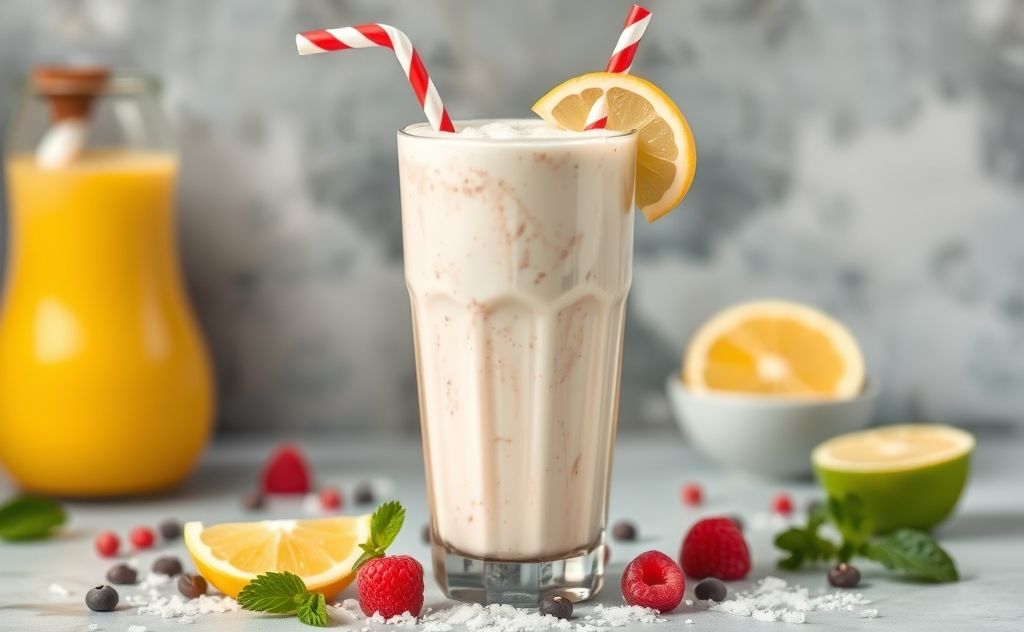
When Does a Milkshake Contain Caffeine?
Standard milkshakes made with vanilla, strawberry, or fruit flavors typically don’t contain caffeine. However, certain ingredients can introduce caffeine into your shake:
- Coffee or espresso: Mocha, cappuccino, or coffee-flavored shakes often contain real caffeine, sometimes as much as a cup of coffee.
- Chocolate: Chocolate shakes contain trace amounts of caffeine from cocoa — usually 5–10 mg per serving, far less than coffee.
- Added caffeine: Some specialty or energy-branded shakes include extra caffeine as a deliberate ingredient.
Coffee-Flavored Milkshakes
Many fast food chains offer coffee-flavored shakes like Arby’s Jamocha Shake. These typically contain caffeine from coffee extract or brewed coffee. A small Jamocha Shake can have roughly 30–50 mg of caffeine, while larger sizes may reach 100 mg or more. If you’re caffeine-sensitive, these are the shakes to avoid.
Chocolate Milkshakes
Chocolate shakes get their caffeine from cocoa. According to nutrition data, cocoa powder contains about 10 mg of caffeine per tablespoon, but a typical chocolate shake uses only a small amount — resulting in roughly 5–10 mg per serving. That’s about 10 times less than a standard cup of coffee, but it can still matter for children or highly sensitive individuals.
For example, Chick-fil-A’s Chocolate Milkshake contains cocoa, which naturally includes small amounts of caffeine.
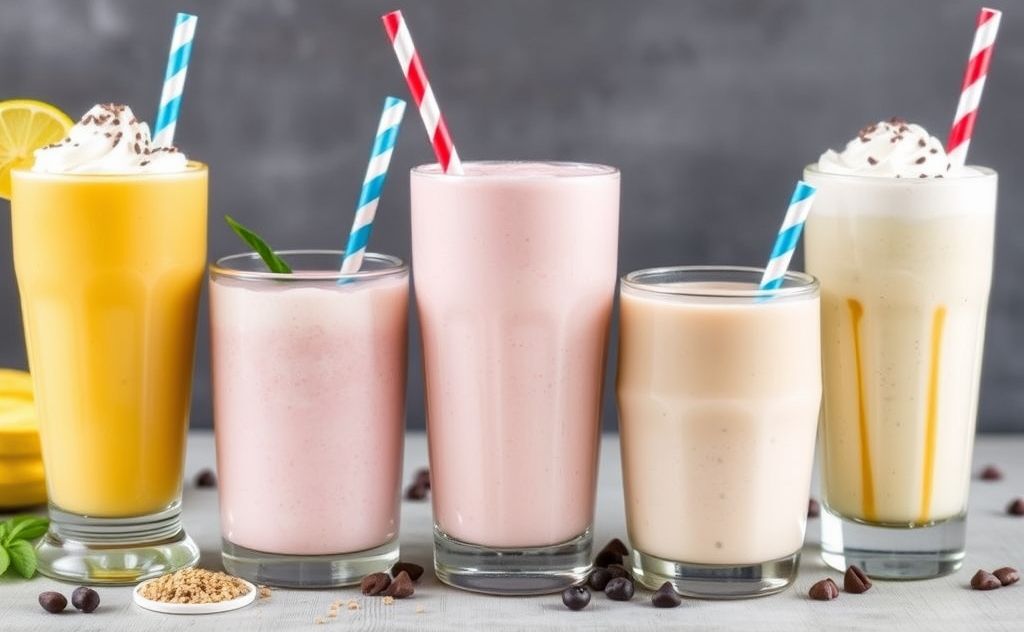
Caffeine Levels in Popular Fast Food Milkshakes
If you’re looking to avoid caffeine completely, these shake varieties are typically safe:
- Vanilla
- Strawberry
- Fruit flavors (banana, peach, etc.)
- Caramel
- Cookies and cream (unless it contains chocolate cookies)
How to Order a Truly Caffeine-Free Milkshake
When ordering at restaurants:
- Ask if the shake contains coffee, espresso, or chocolate syrup — not just “flavoring.”
- Check online nutrition information before visiting; most chains list caffeine content.
- Request substitutions like vanilla ice cream with fruit syrup instead of chocolate or coffee bases.
For homemade shakes, you control the ingredients. If you want a chocolate flavor without caffeine, try carob powder instead of cocoa. For coffee-like flavor without caffeine, use decaffeinated coffee or coffee substitutes.
Questions to Ask at the Counter
Don’t be shy — baristas and cashiers are used to these questions. Ask: “Does this shake contain any coffee, espresso, or chocolate syrup?” If they’re unsure, request the ingredient list. For coffee shops, specify that you want a decaffeinated espresso shot or no coffee at all.
Specialty Caffeinated Milkshakes
Safe Toppings and Mix-Ins
Even if your base shake is caffeine-free, toppings can add caffeine. Safe choices include whipped cream, caramel sauce, fruit syrups, nuts, and sprinkles. Avoid chocolate shavings, coffee beans, and mocha or espresso drizzles.
Some brands now offer intentionally caffeinated shakes, like the Spylt Caffeinated Vanilla Milkshake with added caffeine. These are clearly labeled and contain significant amounts of caffeine, similar to energy drinks.
Fast Food Milkshake Caffeine Content
| Restaurant | Shake Flavor | Estimated Caffeine |
|---|---|---|
| McDonald’s | Chocolate | 5-10mg |
| Arby’s | Jamocha | 15-25mg |
| Chick-fil-A | Chocolate | 5-10mg |
| Cook Out | Cappuccino | 20-30mg |
Note: These are estimates based on typical formulations. Actual amounts may vary by location. For exact numbers, always check the chain’s official nutrition guide.
Making Caffeine-Free Shakes at Home
For complete control over ingredients, consider making shakes at home with a quality blender. Here’s a simple caffeine-free chocolate shake recipe:
- 2 cups vanilla ice cream
- 1 cup milk (dairy or alternative)
- 2 tbsp carob powder
- 1 tsp vanilla extract
- Blend until smooth
This gives you the chocolate flavor without the caffeine found in cocoa. For coffee-like flavor without caffeine, try adding a teaspoon of roasted chicory root powder.
Nutritional Considerations
While caffeine content is important for some, also consider that milkshakes are typically high in:
- Sugar
- Calories
- Saturated fat
Moderation is key, especially if you’re enjoying them regularly. For healthier options, try using frozen bananas as a base or incorporating protein powder for added nutrition.
Caffeine vs. Sugar: Which Affects You More?
For most people, the sugar in a milkshake (often 60–100 grams) will have a far bigger impact on energy and mood than the trace caffeine in chocolate. If you’re sensitive to stimulants, consider that a chocolate shake’s caffeine is negligible compared to its sugar spike — but for children or those with medical conditions, every milligram counts.


