Green smoothies often send you to the bathroom within a few hours. That is not a side effect. It is a direct result of what you put in the glass.
Most people see a noticeable change in bowel habits after drinking 16 to 24 ounces of a standard green smoothie. The effect usually kicks in between 2 and 6 hours later. If you are new to high-fiber drinks, the response can be faster and more forceful.
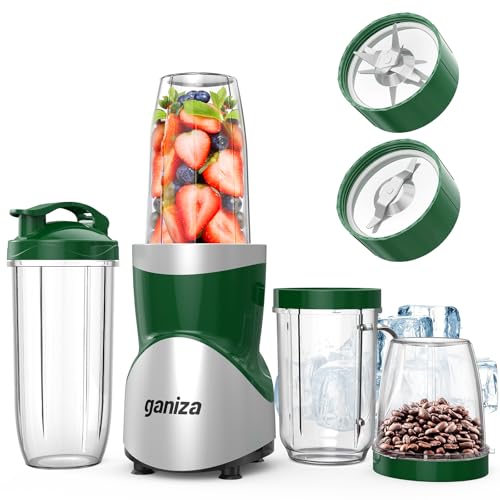
Ganiza
Ganiza Smoothie Blender, 900W Blenders Shakes and…
- 【Powerful Smoothie Blender】Peak Power 900W Smoothie Blender for Shakes with upgraded full copper turbocharged motor pulse technolo…
- 【Multi-Function Blenders】Your personal blender comes with a stainless steel 6-blades, make it easy to blend various hardness of in…
- 【Safety First】Your safety is our top priority, Blender for smoothies only works when the blender cup is properly locked into the b…
This guide breaks down the exact mechanisms, the tipping points, and how to dial the effect up or down. We will also look at the equipment that makes the process easier, like the Ganiza smoothie blender.

The Short Answer: Yes, But It Depends on Dose
Green smoothies make you poop because they deliver a concentrated load of three things: insoluble fiber, water, and natural sugars called polyols. Each one pulls water into your colon or adds bulk to stool.
The threshold for a bowel movement is roughly 10 to 15 grams of fiber in a single sitting. A typical 20-ounce green smoothie with two cups of spinach, one banana, and an apple hits that range. You get about 2 grams of fiber from the spinach, 3 grams from the banana, and 4.4 grams from the apple. That is 9.4 grams before you add anything else.
Once you cross 15 grams of fiber in one drink, the odds of a bowel movement within six hours climb above 80 percent. This is a mechanical response. Your colon stretches, nerves fire, and the urge to go follows.
The Fiber Tipping Point
Fiber is the primary driver. Insoluble fiber does not dissolve in water. It acts like a broom, sweeping through your intestines and adding bulk to stool. Soluble fiber forms a gel that softens stool.
Green leafy vegetables are mostly insoluble fiber. A 100-gram portion of raw spinach holds 2.2 grams of fiber. Kale has 4.1 grams per 100 grams. When you blend these greens, you break down the cell walls, making the fiber more accessible to your gut bacteria.
The tipping point for most adults is 12 to 15 grams of fiber in one sitting. Below that, the effect is mild. Above that, you will likely feel cramping and urgency within four hours.
If you drink a smoothie with 20 grams of fiber or more, you are essentially taking a mild laxative. That is not dangerous for healthy people, but it can be uncomfortable. Stomach gurgling and gas are common at this dose.
Water Volume and Stool Softening
Fiber needs water to work. A dry fiber load can actually cause constipation. Green smoothies solve this problem by default because they are mostly water.
A 16-ounce smoothie contains roughly 12 to 14 ounces of water from the produce and added liquid. That water follows the fiber into your colon. The result is softer stool that moves faster.
The ratio matters. You need at least 3 parts water to 1 part dry fiber by weight. Most smoothie recipes hit this ratio naturally. If you use a thick base like nut butter or avocado, you may drop below it and feel less of a laxative effect.
Sugar Alcohols and Fruit Sugars
Certain fruits contain sugars that your body cannot fully absorb. These are called FODMAPs. They pull water into the intestines and ferment in the colon, producing gas and stimulating movement.
Apples and pears are the biggest culprits. They contain sorbitol, a sugar alcohol that acts as a natural laxative. A single medium apple has about 1.2 grams of sorbitol. The threshold for a laxative effect in sensitive people is around 5 grams.
Mangoes and watermelon contain excess fructose. When fructose outnumbers glucose, it is not absorbed well. This triggers the same water-pulling effect. If your green smoothie contains more than 1.5 cups of high-FODMAP fruit, you are likely to feel a stronger urge.
Magnesium and Leafy Greens
Leafy greens also bring magnesium to the table. Magnesium draws water into the intestines. It also relaxes smooth muscle, including the muscles of your bowel wall.
Two cups of spinach deliver about 48 mg of magnesium. Two cups of Swiss chard deliver 150 mg. The laxative threshold for oral magnesium is roughly 350 to 500 mg in a single dose. You will not hit that with greens alone.
But magnesium adds to the overall effect. It lowers the fiber threshold by a noticeable margin. People who combine high-fiber greens with magnesium-rich fruits like bananas feel the effect sooner.
Who Feels the Effect Most?
Your baseline diet dictates your response. If you already eat 30 grams of fiber per day, a green smoothie will barely register. Your gut is used to the load.
If you eat a standard Western diet with 12 to 15 grams of fiber per day, a single smoothie can double your daily intake. That sudden jump triggers a strong response. Your gut bacteria produce more gas, and your colon contracts harder.
People with irritable bowel syndrome (IBS) are the most sensitive. Even 5 grams of fiber from a smoothie can cause urgency. If you have IBS, start with a half-serving and wait 24 hours before increasing the dose.
The Timing: How Fast Does It Work?
The colon transit time for a liquid meal is 1 to 3 hours. That is the time from swallowing to reaching the large intestine.
You will usually feel the first urge between 2 and 4 hours after drinking. The peak effect lands at 4 to 6 hours. If you drink a smoothie at 8 AM, expect a bowel movement between 10 AM and 2 PM.
A small percentage of people, roughly 10 percent, feel the effect within 45 minutes. This is a reflex response. The stomach stretches, which triggers a mass contraction in the colon. It is called the gastrocolic reflex. It is stronger in the morning, so a breakfast smoothie works faster than an afternoon one.
Does Blending Change the Fiber?
Blending does not destroy fiber. It breaks the fiber into smaller pieces. Smaller particles have more surface area, which means more contact with gut bacteria.
The result is faster fermentation. You get more gas and more water pulled into the colon compared to eating the same ingredients whole. A chewed salad will move through you slower than a blended smoothie with identical ingredients.
The Ganiza 900W smoothie blender handles this job well. Its stainless steel 6-blade assembly runs at 25,000 RPM, which turns kale stalks and apple cores into a uniform slurry. That consistency maximizes fiber exposure.
How to Control the Laxative Effect
You can tune the effect to your needs. The lever is ingredient selection and portion size.
To reduce the laxative effect:
- Cut the serving size to 8 ounces instead of 20.
- Use low-FODMAP fruits like strawberries, blueberries, or oranges instead of apples and mangoes.
- Add a fat source like 1 tablespoon of almond butter. Fat slows gastric emptying.
- Remove the banana. Ripe bananas contain sorbitol and add to the sugar load.
- Blanch your greens first. Cooking breaks down some insoluble fiber and makes it gentler.
To increase the laxative effect:
- Use 3 cups of raw kale instead of spinach.
- Add 1 whole pear or apple with the skin on.
- Include 1 tablespoon of chia seeds (adds 4 grams of fiber).
- Drink it warm rather than cold. Warm liquids relax the gut.
Green Smoothies vs. Green Juice
Green juice removes the pulp. That strips out nearly all insoluble fiber. The result is a drink with concentrated sugars and water but almost no bulk.
Juice causes a faster but shorter-lived effect. The sugars hit your colon quickly and pull water in. The effect wears off within 2 hours. If you want to understand that difference in detail, see our breakdown of green juice and bowel movements.
Smoothies keep the fiber, so the effect is slower but more sustained. You get a solid bowel movement rather than a loose one.
For people with constipation, smoothies are the better choice. For people with diarrhea, juice is gentler because it has less bulk.
Dehydration and Electrolytes
Frequent green smoothie use can flush out electrolytes. If you drink more than 32 ounces per day, you may lose potassium and magnesium through loose stools.
Watch for these signs of overdoing it: muscle cramps, dizziness, or a racing heart. If you experience any of these, cut back to 12 ounces per day and add a pinch of salt to your smoothie.
The water in a smoothie is not the same as plain water. It carries fiber and sugars that increase water loss in the colon. A 20-ounce smoothie can cause you to lose 8 to 12 ounces of water through stool. Drink an extra glass of plain water after your smoothie to stay balanced.
Does the Blender Matter?
Yes, but not for the laxative effect. Any blender that breaks down greens will produce the same fiber content.
What changes is the texture. A low-power blender leaves fibrous chunks. These move through you faster because they are not fully broken down. A high-power blender creates a silky smooth drink that mixes evenly with digestive juices.
The Ganiza blender uses a cyclonic action with its flat 2-blade attachment. This pulls ingredients downward into the blade. It crushes ice and grinds coffee beans, which means it handles frozen spinach and hard fruit without leaving chunks.
It also has a safety lock. The motor only runs when the cup is twisted into place. That prevents accidental starts if you have kids around. The 4 non-slip silicon pads keep it stable on the counter during high-speed blending.
The set includes a 24-ounce portable cup and two 17-ounce middle cups. You can blend directly into the cup you drink from, which saves a dish. Cleanup takes about 30 seconds with warm soapy water. The cups are dishwasher safe, but the motor base is not.
Practical Tips for First-Timers
Start with a half serving. Use 1 cup of spinach, half a banana, and 8 ounces of water. Drink that for three days before increasing the portion.
Do not drink a green smoothie before a long car ride or a meeting. The timing is unpredictable for the first week. Your gut needs time to adjust to the fiber load.
Keep a food log. Track when you drink, what you put in, and when you have a bowel movement. This gives you personal data on your tipping point. Most people find their threshold within five to seven days.
If you feel cramping, slow down. Sip the smoothie over 30 minutes instead of gulping it down. Rapid intake triggers a stronger gastrocolic reflex.
When Green Smoothies Cause Constipation
It sounds backwards, but green smoothies can cause constipation in one specific scenario. That happens when you drink them without enough water.
If you use a thick base like frozen banana, peanut butter, and oats, the fiber content rises while the water content drops. A smoothie with 20 grams of fiber and only 8 ounces of water can actually harden stool.
The fix is simple. Add more liquid. Aim for a consistency that pours easily from the cup. If it needs a spoon, it is too thick to be a laxative.
Another cause is unripe bananas. They contain resistant starch, which is a type of fiber that some people find binding. Use fully ripe bananas with brown spots to avoid this effect.
Frequently Asked Questions
Why do green smoothies give me diarrhea?
You crossed a fiber or sugar threshold. Most likely, you used high-FODMAP fruits like apple or mango in a large serving. Reduce the fruit to half a cup and see if the diarrhea stops.
How long after drinking a green smoothie will I poop?
Most people feel the urge within 2 to 4 hours. The peak effect is at 4 to 6 hours. If you drink it on an empty stomach, the effect is faster.
Can I drink green smoothies every day?
Yes, if you keep the serving at 16 ounces or less and drink enough water. Daily use actually improves regularity after the first week. Your gut bacteria adapt to the fiber load.
Will green smoothies help with chronic constipation?
In most cases, yes. The combination of 10+ grams of fiber and high water content softens stool and stimulates contractions. If you have chronic constipation that lasts more than two weeks, see a doctor first.
Do I need a special blender for green smoothies?
You need at least 600 watts of power to blend raw kale without chunks. A 900W motor like the Ganiza model handles it easily. Anything under 500 watts will leave fibrous bits that are harder to drink.
Are green smoothies safe for children?
Children under 5 should get half a serving or less. Their colons are smaller and more sensitive. A full adult serving can cause painful gas and cramps in a young child.
Do green smoothies affect kidney health?
They can, if you consume very high amounts of oxalates. Spinach and Swiss chard are high in oxalates. If you have kidney stones, limit spinach to 1 cup per day and rotate in lower-oxalate greens like kale or romaine. Read more about green smoothies and kidney health.
The Bottom Line
Green smoothies make you poop because they deliver a concentrated dose of fiber, water, and fermentable sugars. The effect is predictable and dose-dependent.
Stay under 15 grams of fiber per serving if you want a mild effect. Go above 20 grams if you need a strong laxative push. Adjust the fruit content based on your sensitivity to FODMAPs.
The Ganiza 900W blender is a solid tool for this job. It breaks down tough greens completely, and the 24-ounce cup is the right size for a single serving. It is not the cheapest option on the market, but it handles the workload without overheating. Check the current price on Amazon if you want a reliable daily driver for green smoothies.
Your gut will adapt within a week. The initial urgency fades, and you settle into a regular, comfortable rhythm. That is the goal.


