You crack open a cold can of sparkling water, take a sip, and then glance at your nursing baby. The thought crosses your mind: Will these bubbles end up in my milk and make her gassy? It’s a question almost every breastfeeding mother asks at some point, usually after a fussy evening that followed a fizzy drink at lunch. The internet is full of conflicting answers, some saying carbonation is fine, others warning it causes colic.
Here’s the short version: carbonated drinks do not transfer gas bubbles into breast milk. But that doesn’t mean every fizzy beverage is harmless. The real issues hide in the caffeine, sugar, artificial sweeteners, and even the timing of your sips. This article walks through the digestive science, the actual culprits behind baby gas, and practical rules for enjoying carbonated drinks without second-guessing every sip.
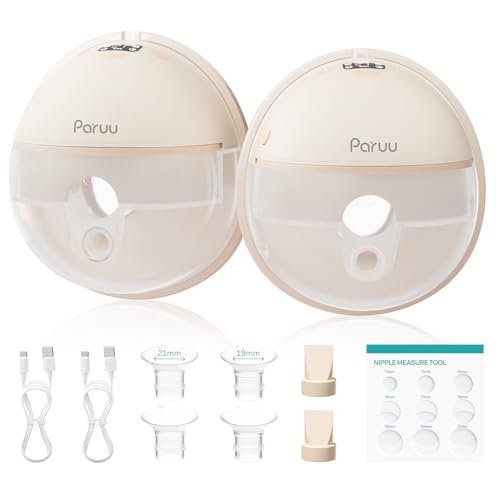
Paruu
Paruu Hands Free Breast Pump P16, Wearable…
- More Comfortable And Efficient: Paruu P16 breast pump with 4 Modes & 12 Levels, suction range 49.5 - 309mmHg, You can customize yo…
- Smarter Design: Paruu P16 electric breast pump with an LED display that can clearly display the current working time, mode and suc…
- Lighter & Hidden: Paruu P16 breast pump only 240g, Only 2/3 the size of a manual breast pump. It is a truly wearable breast pump,…
And if you’re pumping, you already know that managing milk flow and comfort matters as much as what you drink. A hands-free pump like the Paruu P16 wearable breast pump can make those mid-day pumping sessions easier, especially when you’re juggling a toddler or trying to keep your supply steady.

The Real Culprit: Why Your Baby is Gassy (It’s Not the Bubbles)
Let’s settle the core question first. When you swallow a carbonated drink, the gas (carbon dioxide) enters your stomach. From there, it gets absorbed into your bloodstream and eventually exhaled through your lungs. It does not travel from your digestive tract into your mammary glands. The bubbles you feel in your stomach are physical gas in your gut, not in your milk ducts.
So why do so many mothers swear their baby gets fussy after they drink soda? Two reasons. First, confirmation bias: you remember the one fussy evening after a Coke, but forget the three fussy evenings after water. Second, and more likely, something else in the drink is the problem. Let’s look at the actual science.
Breast milk is made from your blood plasma. Components from your diet must first enter your bloodstream, then cross the blood-milk barrier. Carbon dioxide gas doesn’t survive that journey in bubble form. It’s absorbed and exhaled long before milk production. The physiological evidence is clear: carbonation is innocent.
What does pass into milk are water-soluble molecules: caffeine, alcohol, certain medications, and some food proteins. Gas does not. So if your baby is gassy after you drink a fizzy beverage, look at what else was in that glass.
The Science: How Beverages Actually Enter Breast Milk
Think of your blood as a delivery system. Everything you consume gets broken down in your digestive system, absorbed into your bloodstream, and then distributed to your organs, including your mammary glands. The rate of transfer depends on the molecule’s size, fat solubility, and molecular weight.
Caffeine is small and water-soluble, so it passes into breast milk easily. Peak levels in milk occur about 60 to 120 minutes after you drink it. That timing matters more than most mothers realize. If you drink a caffeinated soda right before nursing, your baby gets a bigger dose than if you drink it right after a feeding.
Alcohol follows a similar pattern, though it’s fat-soluble and peaks a bit later. But this article is about carbonation, so let’s stay on track.
The Caffeine Timeline: When to Drink for Minimal Transfer
Here’s a practical rule: drink your caffeinated soda immediately after a nursing session, not before. That gives your body two hours to process the caffeine before the next feeding. By the time your baby latches again, the caffeine concentration in your milk has dropped significantly.
Most experts agree that up to 300 milligrams of caffeine per day (about two to three 12-ounce sodas) is safe for breastfeeding mothers. But babies metabolize caffeine slowly. A newborn’s liver takes up to 100 hours to clear caffeine, compared to an adult’s 5 to 6 hours. So even moderate amounts can accumulate in a young infant’s system if you drink caffeinated beverages throughout the day.
Watch for signs of caffeine overload in your baby: poor sleep, jitteriness, fussiness, and frequent waking. If you see these patterns, try cutting caffeine entirely for a week and see if things improve.
Sugar, Sweeteners, and the Hidden FODMAP Trap
Now we get to the part most articles miss. Carbonation isn’t the issue, but the mixers and additives in popular fizzy drinks can absolutely cause baby distress. This is where the FODMAP connection comes in.
FODMAPs are fermentable carbohydrates that some people (and breastfed babies) have trouble digesting. When a mother eats or drinks high-FODMAP foods, the undigested sugars can pass into her milk and cause gas, bloating, and fussiness in sensitive infants.
Fruit juices are the biggest hidden trap. Many sparkling drinks and mocktails are made with pear juice, apple juice, or mango puree. These are high in fructose and sorbitol, both of which are FODMAPs. A glass of sparkling apple cider might contain more gas-inducing sugar than a can of regular soda.
Sugar alcohols are another culprit. Diet sodas often contain sorbitol, xylitol, or erythritol. These sweeteners are poorly absorbed in the adult gut, and trace amounts can pass into breast milk. For a baby with a sensitive digestive system, even small amounts can cause gas and loose stools.
Regular sugar isn’t innocent either. A 12-ounce soda contains about 39 grams of sugar. That’s a rapid spike in your blood glucose, which can affect your energy and your milk’s composition. Some research suggests high sugar intake may alter the fat content of breast milk, though the evidence is still evolving.
The Hydration Paradox: Why Too Much Liquid Can Backfire
Here’s a counterintuitive truth: drinking too much fluid, especially water or low-calorie beverages, can actually reduce your milk supply or change its composition. The old advice to “drink a gallon of water a day to boost supply” is oversimplified.
Your body regulates milk production based on demand, not on fluid intake alone. But excessive fluid intake can dilute your electrolytes and affect hormone levels, including oxytocin, which is essential for let-down. Some mothers find that chugging large amounts of liquid right before pumping leads to a fast, forceful let-down followed by a weaker flow.
The Foremilk/Hindmilk Connection
That fast let-down brings us to a critical concept: foremilk and hindmilk imbalance, sometimes called lactose overload. Foremilk is the watery, lactose-rich milk released at the start of a feeding. Hindmilk is the creamier, higher-fat milk released later. If a mother has an overactive let-down, her baby may fill up on foremilk before reaching the hindmilk.
Too much foremilk means too much lactose for the baby’s digestive system to handle at once. The undigested lactose ferments in the gut, producing gas and watery green stools. This looks exactly like a food sensitivity reaction, but the trigger is the feeding mechanism, not what you drank.
Now connect the dots: if you drink a large soda right before nursing, you might feel more hydrated and have a faster let-down. That fast let-down can cause your baby to gulp, swallow air, and get more foremilk than hindmilk. The result? A gassy, fussy baby — but the soda’s bubbles had nothing to do with it. The volume and timing of the fluid were the real factors.
The “Soda-Loving” Mom’s Survival Guide
You don’t have to give up fizzy drinks entirely. Most breastfeeding mothers can enjoy carbonated beverages without any issues. But if you want to minimize any risk of baby discomfort, follow these guidelines.
Timing Your Indulgence
Drink your fizzy beverage right after a feeding, not before. This achieves two things: it spaces out caffeine peaks and gives your digestive system time to process any potential irritants before the next nursing session. If you’re having a large drink (more than 16 ounces), split it into two servings an hour apart rather than chugging it.
Also, pay attention to your let-down reflex. If you notice a fast, forceful let-down after drinking a large volume of fluid, try nursing in a reclined position. This works with gravity to slow the flow and helps your baby manage the milk better.
Choosing the Right Mixers
Plain sparkling water is your safest bet. It has zero caffeine, zero sugar, and no FODMAPs. If you want flavor, add a squeeze of lemon, lime, or a few crushed berries. These are low-FODMAP and unlikely to cause issues.
Avoid sparkling juices, especially those containing pear, apple, or mango concentrates. Check the label for sorbitol or other sugar alcohols. And be cautious with energy drinks — they often contain both high caffeine and taurine, which has not been studied for safety in breastfeeding.
If you miss the sweetness of regular soda, try a small glass (8 ounces) of a cola or root beer with real sugar, consumed after a feeding. Keep it to one serving per day. The sugar is a concern for your own health, but it’s unlikely to directly cause gas in your baby unless they have a specific sensitivity.
Practical Alternatives That Satisfy the Fizz Craving
If you’re trying to cut back on soda but still crave that carbonation, you have options. These alternatives deliver the fizz without the caffeine, sugar, or artificial sweeteners.
- Sparkling water with citrus: Add lemon, lime, or orange slices. The natural oils in the peel add flavor without sugar.
- Kombucha: Fermented tea with a small amount of caffeine (about 15-30 mg per serving) and probiotics. Start with a small amount to see how your baby tolerates it.
- Sparkling herbal tea: Brew caffeine-free herbal tea like peppermint or chamomile, chill it, and carbonate it with a home soda maker. You control the ingredients.
- Diluted juice spritzers: Mix one part 100% fruit juice (choose low-FODMAP options like cranberry or grape) with three parts sparkling water. This cuts the sugar content significantly.
- Coconut water with sparkling water: Add a splash of coconut water for electrolytes and natural sweetness. It’s hydrating and low in sugar.
One caveat: peppermint tea is sometimes associated with reduced milk supply in large amounts. A single cup is fine, but don’t make it your all-day beverage.
When to Call the Doctor: Red Flags vs. Normal Fussiness
Some fussiness is normal. All babies cry, and most have periods of gassiness, especially in the first three months. But you need to distinguish between normal newborn behavior and signs of a real problem.
Normal fussiness: crying that lasts less than three hours a day, occurs mainly in the evening, and is soothed by feeding, rocking, or swaddling. Your baby has normal weight gain, at least six wet diapers a day, and regular stools.
Red flags that warrant a call to your pediatrician:
- Fever (rectal temperature of 100.4°F or higher in an infant under 3 months)
- Blood in the stool or dark, tarry stools
- Projectile vomiting, especially after every feeding
- Poor weight gain or weight loss
- Lethargy or difficulty waking for feedings
- Signs of dehydration: fewer than six wet diapers a day, sunken fontanelle, no tears when crying
If your baby is gaining weight well and has normal diapers, their fussiness is almost certainly not caused by your diet alone. It’s more likely a normal developmental phase, a feeding mechanic issue, or a temporary sensitivity to a specific food protein (like dairy or soy).
If you suspect a food sensitivity, don’t cut out all carbonated drinks at once. Instead, keep a food diary for a week. Track what you eat and drink, when you nurse, and when your baby shows symptoms. Look for patterns. If you notice fussiness within 4-6 hours of drinking a specific beverage, try eliminating just that one for two weeks and see if symptoms resolve.
What Actually Matters: Your Overall Diet and Feeding Patterns
At this point, you might feel like the answer is “it depends.” That’s accurate. The truth about carbonated drinks and breast milk is that carbonation itself is harmless, but the context around it matters enormously.
Your overall diet, hydration level, stress, and feeding mechanics all play a role in your baby’s digestion. A mother who eats a balanced diet, drinks water when thirsty, and nurses in a calm environment will have fewer gassy babies than one who drinks excessive soda, skips meals, and feeds in a rush — regardless of the bubbles.
One more thing worth mentioning: the act of drinking from a straw or bottle while nursing. Some mothers like to sip a drink during a feeding session. That’s fine, but be aware that if you’re drinking from a straw, you’re likely swallowing air. That air stays in your stomach, not your milk. It doesn’t affect your baby unless you burp them while they’re latched, which is unlikely.
However, if you’re using a nursing session to also chug a large beverage, you might be creating a fast let-down, as discussed earlier. Slow down, sip gradually, and pay attention to your baby’s feeding cues. If they’re gulping and pulling off frequently, they might be getting milk faster than they can handle.
Myth-Busting: What the Research Really Says
Let’s address a few common myths with evidence.
Myth: “Carbonated water causes colic.” No study has found a direct link between maternal carbonated beverage consumption and infant colic. Colic is a multifactorial condition, and diet plays a minor role for most babies.
Myth: “You need to drink milk to make milk.” Dairy consumption is not required for milk production. Your body makes milk from your blood, not from your stomach contents. Calcium can come from leafy greens, fortified plant milks, or supplements.
Myth: “Dark sodas are worse than clear ones.” The color of the soda doesn’t matter. What matters is the caffeine and sugar content. A clear lemon-lime soda with 38 grams of sugar is no better than a dark cola with the same amount.
Myth: “If you drink soda, your baby will refuse the breast.” There’s no evidence that carbonation changes the taste of breast milk. Caffeine can slightly alter the flavor, but most babies don’t seem to care.
Practical Answers to Common Questions
Can I drink sparkling water while breastfeeding?
Yes. Plain sparkling water is perfectly safe and hydrating. It contains no caffeine, no sugar, and no additives that could pass into your milk. The carbonation does not cause gas in your baby. Drink as much as you like, but remember that excessive fluid intake can dilute electrolytes, so balance it with regular water and a healthy diet.
Does caffeine in soda reach my baby?
Yes. Caffeine passes into breast milk, with peak levels about one to two hours after you drink it. Newborns clear caffeine very slowly, so it can accumulate. The general guideline is up to 300 mg per day, but many babies are sensitive to even less. Watch for sleep disturbances and jitteriness in your infant.
Will diet soda with aspartame affect my milk?
Aspartame is broken down into phenylalanine and aspartic acid in your body. These compounds pass into breast milk in small amounts. The FDA considers aspartame safe for breastfeeding mothers, but some babies may be sensitive. If you notice fussiness after drinking diet soda, try eliminating it for two weeks to see if symptoms resolve.
Can carbonated drinks reduce my milk supply?
No direct evidence suggests carbonation affects milk supply. However, if you drink large volumes of any liquid instead of eating balanced meals, your overall nutrition could suffer, potentially affecting milk quality. Also, if a drink contains caffeine, excessive amounts could lead to dehydration, which might reduce supply. Stick to moderate consumption and eat well.
What about energy drinks with carbonation?
Energy drinks are a bad idea while breastfeeding. They contain high doses of caffeine (often 100-200 mg per can), plus other stimulants like taurine and guarana, which haven’t been studied for safety in nursing mothers. The carbonation is irrelevant; the stimulants are the concern. Skip these entirely.
Your Simple Action Plan
You don’t need to overthink this. Here’s what to do starting today:
- Drink carbonated beverages after nursing, not before, to minimize caffeine transfer.
- Choose plain sparkling water with a squeeze of citrus over sweetened sodas.
- Check labels for fruit juice concentrates and sugar alcohols, which are the real gas triggers.
- Limit caffeine to 300 mg per day, or less if your baby seems sensitive.
- Watch your baby’s feeding cues and nursing position to avoid gulping air and foremilk overload.
- Keep a simple food diary for a week if you suspect a specific beverage is causing issues.
- When in doubt, talk to your pediatrician or a lactation consultant rather than guessing.
The bottom line: your fizzy drink isn’t the enemy. The bubbles won’t travel to your baby. But the caffeine, sugar, and timing of your consumption can matter. Enjoy your sparkling water, keep an eye on your baby’s behavior, and trust your instincts. You’re doing better than you think.
For more on how carbonated drinks affect your body in other ways, check out this detailed breakdown of fizzy drinks and breastfeeding. And if you’re curious about long-term bone health, this look at carbonated drinks and bone density covers the research.


