You just finished a hard leg day. Your quads are screaming, and the last thing you want to do is stand at a blender. But the next 30 minutes decide how you feel tomorrow. Skip the refuel, and you’ll be shuffling down stairs like a robot for the next 48 hours.
Most people grab a chocolate protein shake and call it done. That works, but it’s leaving recovery gains on the table. Cranberry juice brings a unique set of polyphenols—specifically proanthocyanidins—that fight the oxidative stress and inflammation your muscles just created. It’s not just a mixer; it’s a recovery tool. This guide walks you through the timing science, five complete recipes, and a swap table so you can build a smoothie that fits your diet perfectly.
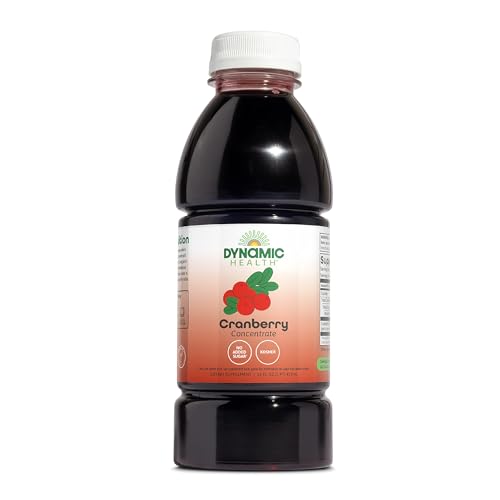
Dynamic Health
DYNAMIC HEALTH 100% Cranberry Juice Concentrate, 16…
- POTENT ANTIOXIDANT. Cranberries contain nutrients like vitamins C and E, plus the added power of the antioxidant quercetin. Antiox…
- COUNT ON CRANBERRY. You’ve probably heard that cranberries are great for urinary tract health. That’s because of proanthocyanidins…
- NO ADDED SUGAR. Our Cranberry Juice Concentrate is made without sweeteners or added sugar. It’s also Vegetarian, Gluten-Free, BPA-…
You’ll also see how a quality concentrate like Dynamic Health 100% Cranberry Juice Concentrate makes this practical. It packs about 4,000 cranberries per bottle with no added sugar, so you get the tart, concentrated polyphenols without the syrup sweetness of cocktail blends.

Why Cranberry Is the Unsung Hero of Post-Workout Recovery
Blueberries and tart cherries get all the press. Cranberries sit on the shelf overlooked. That’s a mistake.
Hard training creates free radicals—unstable molecules that damage muscle cells and prolong soreness. Your body needs antioxidants to neutralize them. Cranberries deliver a dense payload of vitamin C, vitamin E, and quercetin, a flavonoid with strong anti-inflammatory properties. But the real star is proanthocyanidins (PACs), the same compound that keeps your urinary tract healthy. PACs help modulate the inflammatory response after intense exercise, which means less muscle soreness and faster return to training.
One practical note: you need the tart stuff. Cranberry juice cocktail is mostly sugar water with a splash of cranberry. It spikes insulin and blunts the anti-inflammatory effect. Use pure, unsweetened juice or a concentrate. The Dynamic Health bottle is a solid choice because there’s no added sugar and it’s made from 100% organic produce.
The other benefit is hydration support. Cranberries are roughly 87% water and contain potassium, an electrolyte you lose through sweat. Potassium helps regulate fluid balance and muscle contractions, and it’s often neglected in favor of sodium and magnesium. A cranberry smoothie quietly covers that base.
The 30-Minute Rule: When to Drink Your Recovery Smoothie
Timing matters more than most people think. The concept of the “anabolic window” has been debated, but the evidence leans toward acting quickly.
After a workout, your muscles are primed to absorb nutrients. Blood flow is elevated, and muscle cells are sensitive to insulin. That’s the ideal moment to deliver carbohydrates for glycogen replenishment and protein for muscle repair. Waiting two hours isn’t catastrophic, but you’ll feel the difference in your next session.
Here’s a simple protocol based on intensity:
- High intensity (heavy lifting, HIIT, sprints): Drink within 30 minutes. Your glycogen stores are depleted, and cortisol levels are high. A fast-absorbing shake with 30-40g carbs and 20-25g protein is ideal.
- Moderate intensity (steady-state cardio, light circuits): Drink within 60-90 minutes. You have more time because the muscle damage is less severe.
- Low intensity (yoga, long walk): A normal meal within 2 hours is fine. A smoothie is optional, not necessary.
Your smoothie should aim for a 3:1 or 4:1 carb-to-protein ratio for endurance work, and 2:1 for strength work. Cranberry juice provides the carbs, but you need to add protein. That’s where the following recipes come in.
One caveat: don’t drink a huge smoothie right before a workout. The fiber and fat slow digestion, and you’ll feel sluggish. These are strictly post-exercise tools.
5 Powerful Cranberry Smoothie Recipes
Each recipe serves one person and takes about five minutes. Use a standard blender; a high-speed one is better for breaking down oats and frozen fruit. If you’re shopping for a new blender, check out this single-serve blender review if you want something portable.
1. The Classic Tart Refuel (Cranberry + Banana + Vanilla Protein)
This is the baseline recipe. It’s simple, it works, and it tastes like a tart milkshake.
- 1 cup unsweetened cranberry juice (or 2 tbsp concentrate + 1 cup water)
- 1 frozen banana
- 1 scoop vanilla whey protein
- 1/2 cup Greek yogurt
- 1/2 cup ice
Blend everything for 45 seconds. The banana adds natural sweetness and potassium, while the yogurt provides casein for a slower release of amino acids. Whey protein digests fast, making it perfect for the 30-minute window.
Pro tip: If the tartness is too sharp, add half an apple. It boosts sweetness without piling on sugar.
2. The Anti-Inflammatory Berry Blast (Cranberry + Tart Cherry + Ginger)
This one targets inflammation from both sides. Tart cherry juice is well-documented for reducing muscle soreness, and ginger adds another layer of anti-inflammatory compounds.
- 1/2 cup cranberry juice concentrate (diluted)
- 1/2 cup tart cherry juice
- 1 cup frozen mixed berries
- 1 tsp fresh grated ginger
- 1 scoop unflavored or vanilla protein
- 1/2 cup water
Ginger has a bite, so start with half a teaspoon if you’re sensitive. The berries add fiber and additional polyphenols. This is the recipe to use after a brutal leg day.
Pro tip: Buy fresh ginger, peel it, and freeze it in a small bag. It grates easily when frozen, and you won’t have to deal with a shriveled root in the fridge.
3. The Hydration Hero (Cranberry + Coconut Water + Spinach)
You lose electrolytes when you sweat, and this smoothie puts them back without a sugary sports drink.
- 1 cup coconut water
- 1/2 cup cranberry juice
- 1 big handful of fresh spinach
- 1/2 frozen banana
- 1 scoop collagen peptides
- 1/2 cup ice
Coconut water is naturally rich in potassium and magnesium. Spinach adds iron and nitrates, which support blood flow. Collagen peptides provide glycine and proline, amino acids that support joint and connective tissue health—something often ignored after heavy lifting.
Pro tip: You won’t taste the spinach. The cranberry and banana dominate the flavor profile. Don’t skip it.
4. The Plant-Based Powerhouse (Cranberry + Oats + Chia + Pea Protein)
Vegans and vegetarians need a solid post-workout option too. This one uses pea protein, which digests well and has a complete amino acid profile.
- 1 cup cranberry juice
- 1/2 cup rolled oats
- 1 tbsp chia seeds
- 1 scoop pea protein
- 1/2 cup frozen mango
- 1 cup water
Soak the oats in the juice for 10 minutes before blending. This softens them and prevents a gritty texture. Chia seeds add omega-3 fatty acids and extra fiber, which helps with satiety. Mango balances the tartness and adds vitamin C.
Pro tip: Pea protein can be chalky. Blend it with the liquid first, then add the fruit. It makes a smoother final texture.
5. The Chocolate-Cranberry Rebuild (Cranberry + Cacao + Peanut Butter)
Chocolate and cranberry sound odd, but the bitterness of cacao pairs well with the tartness of cranberry. This recipe is a calorie-dense option for serious strength athletes.
- 1 cup cranberry juice
- 1 scoop chocolate protein powder
- 1 tbsp unsweetened cacao powder
- 1 tbsp natural peanut butter
- 1 frozen banana
- 1/2 cup milk (dairy or almond)
The peanut butter adds healthy fats and a bit of protein. Cacao contains flavanols that support blood vessel function. This is a heavier smoothie, so drink it as a meal replacement if you’re not hungry immediately after training.
Pro tip: Use a natural peanut butter with no added sugar. The standard stuff with hydrogenated oil ruins the texture and adds junk fats.
How to Customize Your Cranberry Smoothie (Swaps & Add-Ins)
Not everyone tolerates dairy, and some people hate bananas. Here’s a practical table for swapping ingredients without wrecking the texture or nutrition profile.
| Ingredient | Best Swap | Why It Works | Watch Out For |
|---|---|---|---|
| Whey protein | Pea protein (same amount) | Pea has a complete amino acid profile and blends thick | Slightly chalky; blend with liquid first |
| Whey protein | Collagen peptides (same amount) | Adds joint-supporting amino acids, dissolves clear | Not a complete protein; pair with a meal |
| Greek yogurt | Kefir (same amount) | Adds probiotics for gut health, similar tangy flavor | Thinner consistency; reduce liquid by 1/4 cup |
| Greek yogurt | Silken tofu (1/2 cup) | Plant-based, creamy, neutral flavor | Blend well to avoid graininess |
| Cow’s milk | Oat milk (same amount) | Creamy texture, adds a little sweetness | Higher carb count; skip if managing blood sugar |
| Cow’s milk | Almond milk (same amount) | Low calorie, neutral taste | Thin; add an extra 1/2 cup ice for body |
| Frozen banana | Frozen mango (same amount) | Same sweetness, adds vitamin C and beta-carotene | Mango is more fibrous; blend 10 seconds longer |
| Frozen banana | Frozen avocado (1/4 cup) | Adds healthy fats and ultra-creamy texture | Very mild flavor; add a date for sweetness |
Want to manage sugar intake? Use less fruit juice and more water. The concentrate is potent, so you can get flavor with just a tablespoon. Add a pinch of salt to balance electrolytes and enhance sweetness naturally.
Other useful add-ins: creatine (5g) dissolves fine and supports strength gains. A tablespoon of ground flaxseed adds fiber and omega-3s. A dash of cinnamon helps regulate blood sugar and adds warmth to the flavor.
Batch Prep & Freezer Packs: Save Time, Recover Faster
You won’t make a smoothie from scratch every day. Life gets in the way. Batch prep solves that.
Set aside 20 minutes on Sunday. Make five freezer packs, and you’ll have a week of recovery smoothies ready to blend.
- Portion the dry and frozen ingredients. For each pack, combine the fruit (banana, berries, mango) and any dry add-ins (oats, chia, flax) into a quart-sized freezer bag.
- Label each bag. Write the recipe name and the liquid amount needed. Use a permanent marker; it smudges otherwise.
- Store the liquids separately. Cranberry juice, coconut water, and milk don’t freeze well in the same bag. Keep them in the fridge.
- Blend in the morning. Dump the freezer pack into the blender, add the liquid and protein powder, and blend for 60 seconds.
- Wash the blender immediately. Dried smoothie residue is a nightmare. A quick rinse with hot water takes 10 seconds.
You can also freeze the smoothie itself in ice cube trays. Pop a few cubes into a shaker bottle with milk, shake hard, and you have an instant shake—no blender required. This works best for the classic tart refuel recipe.
One thing to note: don’t freeze spinach. It turns to a slimy mess when thawed. Add fresh spinach to the blender at the last minute.
If you’re planning to make a big batch of juice for the week, check out this cold press juicer guide for storage tips.
Frequently Asked Questions About Cranberry Smoothies
Can I drink cranberry juice if I’m on blood thinners?
Talk to your doctor first. Cranberries contain vitamin K, which plays a role in blood clotting. Large amounts could interfere with warfarin (Coumadin). A single smoothie is likely fine, but regular daily consumption warrants a medical conversation. Don’t guess on this one.
Does cranberry juice actually help with urinary tract infections?
It can help prevent them, not treat them. The proanthocyanidins prevent bacteria from sticking to the bladder wall. If you already have a UTI, you need antibiotics. Cranberry juice is a preventative tool, not a cure. Drink it after workouts if you’re prone to UTIs, since dehydration and sweat can increase risk.
Is cranberry juice cocktail okay for post-workout recovery?
No. Cranberry cocktail is typically 25-30% juice with added sugar. That much sugar spikes insulin and can worsen inflammation. Look for 100% juice or a concentrate with no added sugar. Read the label; if sugar is in the first three ingredients, put it back.
Can I use cranberry sauce or dried cranberries in a smoothie?
Technically, yes. Practically, no. Dried cranberries are coated in sugar to offset the tartness. Cranberry sauce is mostly sugar and gelatin. Both will ruin the nutritional profile of your recovery drink. Stick with juice or fresh/frozen whole cranberries.
How much cranberry juice should I put in a smoothie?
Start with 1 cup of juice or 2 tablespoons of concentrate diluted in water. That gives you the polyphenol benefit without overwhelming the flavor. You can adjust up or down based on taste. More isn’t better; the goal is consistency over time, not a mega-dose in one drink.
Final Verdict: Blend Smarter, Not Harder
You don’t need a cabinet full of exotic supplements. You need a few quality ingredients and a plan. Cranberry juice is a legitimate recovery tool that most athletes ignore, and these five recipes give you variety without complexity.
- Use unsweetened cranberry juice or concentrate. Sugar-laden cocktails defeat the purpose.
- Drink your smoothie within 30 minutes after intense training for the best glycogen and protein uptake.
- Match the recipe to your workout. Tart cherry and ginger for inflammation, coconut water for hydration, oats and chia for endurance.
- Swap ingredients using the table above to fit your dietary needs—dairy-free, vegan, or low-sugar.
- Batch prep freezer packs on Sunday to make weekday recovery effortless.
- Add creatine and a pinch of salt for an extra performance edge without changing the taste much.
- Don’t skip the protein. Cranberry juice provides carbs and antioxidants, but muscle repair needs amino acids.
Three common mistakes to avoid: blending with ice that waters down the flavor (use frozen fruit instead), adding too much sweet fruit and turning a tart recovery drink into a dessert, and waiting until after your shower to make the smoothie. Blend first, shower second. Your muscles will thank you.


