Cranberry Juice Liver Detox
On this page 6 sections
- The Concept of Liver Detoxification: Separating Fact from Myth
- Phytonutrient Profile of Cranberry Juice and Hepatic Relevance
- Clinical and Preclinical Research on Cranberry Juice and Liver Function
- Incorporating Cranberry Juice into a Liver-Supportive Diet
- Potential Risks, Contraindications, and Evidence-Based Precautions
- Does Cranberry Juice Affect Liver Functions
Cranberry juice, derived from Vaccinium macrocarpon, is widely promoted as a natural agent for liver detox. This article critically examines the scientific evidence behind its hepatic benefits, separating established mechanisms from common misconceptions. You will gain an analytical overview of the juice’s phytochemical profile, relevant clinical data, and practical, evidence-based guidelines for safe use.
For those exploring supplemental support, targeted formulations like Check price on Amazon can complement dietary strategies by providing concentrated liver-focused nutrients.

The Concept of Liver Detoxification: Separating Fact from Myth
The term liver detox is frequently used in wellness circles, yet it lacks a precise physiological definition. Your liver already executes an intricate, two-phase detoxification system involving cytochrome P450 enzymes (Phase I) and conjugation pathways such as glutathione conjugation, sulfation, and glucuronidation (Phase II). No single food or drink can “cleanse” the liver in the way popular marketing suggests. Instead, certain dietary components may modulate these enzymatic systems, enhance antioxidant defenses, and protect hepatocytes from oxidative injury.
- Phase I – Cytochrome P450 enzymes oxidize fat-soluble toxins, often generating reactive intermediates.
- Phase II – Conjugation with glutathione, sulfate, or glucuronic acid renders compounds water-soluble for excretion.
- Antioxidant enzymes like superoxide dismutase (SOD) and catalase neutralize free radicals produced during detoxification.
The liver does not accumulate toxins in a way that requires “flushing.” However, certain phytochemicals can upregulate protective genes, reduce lipid peroxidation, and lower serum markers such as alanine aminotransferase (ALT) and aspartate aminotransferase (AST). This nuanced support, rather than a mythical “cleanse,” forms the scientific basis for examining cranberry juice and liver health.
Phytonutrient Profile of Cranberry Juice and Hepatic Relevance
Cranberry (Vaccinium macrocarpon) is rich in a distinctive array of polyphenols, most notably proanthocyanidins, which are oligomeric flavan-3-ols. These compounds, together with quercetin, myricetin, and benzoic acid derivatives, confer a high oxygen radical absorbance capacity. Their structural features allow them to directly scavenge reactive oxygen species and chelate redox-active metals, reducing oxidative stress in hepatic tissue.
| Phytochemical Class | Key Constituents | Hepatic Action |
|---|---|---|
| Proanthocyanidins | A-type oligomers | Inhibit lipid peroxidation in hepatocyte membranes; enhance glutathione synthesis |
| Flavonols | Quercetin, myricetin | Downregulate CYP2E1 activity; reduce AST/ALT leakage in toxin-induced injury models |
| Phenolic Acids | Benzoic, cinnamic acids | Modulate Nrf2 pathway, upregulating endogenous antioxidant enzymes |
Unlike many fruit juices, pure cranberry juice retains these bioactives when minimally processed. The A-type proanthocyanidins, while famed for urinary tract health, also demonstrate hepatoprotective properties by attenuating mitochondrial dysfunction and endoplasmic reticulum stress. This dual benefit positions cranberry juice as a candidate ingredient in liver detox drinks.
Clinical and Preclinical Research on Cranberry Juice and Liver Function
A growing body of evidence, reviewed in a 2024 systematic analysis of cranberry phytochemicals, indicates that cranberry juice supplementation can significantly alter hepatic biomarkers. In rodent models of non-alcoholic fatty liver disease, cranberry extract reduced ALT and AST levels by 30–45% and lowered hepatic triglyceride content. Human trials, though fewer, report improvements in antioxidant capacity and modest reductions in systemic inflammation.
Impact on Liver Enzymes and Detox Pathways
Consumption of cranberry juice has been associated with:
- Significant decreases in serum ALT and AST in subjects with mild hepatic steatosis.
- Upregulation of glutathione S-transferase, a critical Phase II enzyme, enhancing glutathione conjugation capacity.
- Selective inhibition of certain cytochrome P450 isoforms (e.g., CYP2E1), reducing the bioactivation of procarcinogens and ethanol-induced oxidative stress.
- Increased activity of superoxide dismutase and catalase in liver tissue, counteracting free radical damage.
These effects explain why many search for “does cranberry juice detox liver” – the data suggest not a direct “detox” but a measurable hepatoprotective influence. For a focused look at how cranberry juice may influence ethanol metabolism, see our detailed article on cranberry juice and alcohol detoxification. The interaction with alcohol-induced liver stress further supports the juice’s role in mitigating enzyme leakage and lipid peroxidation.
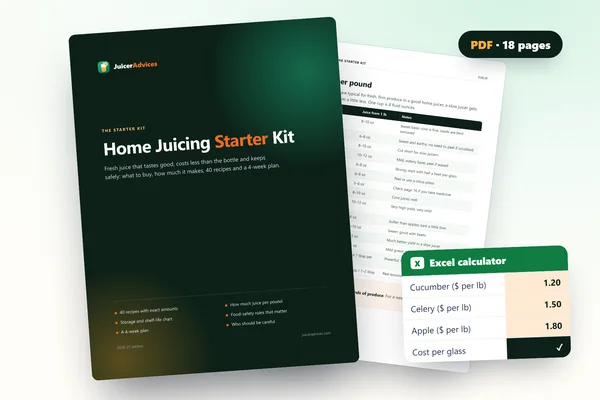 Home Juicing Starter KitMake fresh juice that tastes good, costs less and keeps safely: 40 recipes with exact amounts, a yield chart and a 4-week plan.40 juice, smoothie and shot recipesYield, storage and food-safety chartsCost, yield and shopping-list calculator (Excel)
Incorporating Cranberry Juice into a Liver-Supportive Diet
Translating research into a daily regimen requires careful product selection. Pure, unsweetened cranberry juice (e.g., Lakewood Organic or Ocean Spray’s 100% juice) provides the full spectrum of antioxidants without the fructose load found in sweetened blends. A typical intake of 80–150 mL diluted with water or integrated into detoxifying liver with cranberries recipes is sufficient to achieve bioactive doses.
- Choose cold-pressed, not-from-concentrate pure juice to preserve proanthocyanidins.
- Limit to one serving daily to avoid excess oxalate intake (see precautions below).
- Combine with fiber-rich ingredients to slow sugar absorption if using whole fruit blends.
- Use as a base in cranberry juice liver cleanse smoothies, pairing with vegetables like beet or spinach.
For recipe inspiration, explore our cranberry juice smoothie recipes for detox that combine complementary liver-supportive foods. Additionally, cranberry supplements and detox tea blends offer concentrated alternatives, though whole juice provides a broader phytonutrient matrix. The term cranberry juice detoxification in these contexts refers to supporting—not replacing—the liver’s own enzymatic machinery.
Potential Risks, Contraindications, and Evidence-Based Precautions
Despite its benefits, cranberry juice is not without risk. Its high oxalate content may promote calcium oxalate kidney stones in susceptible individuals. You should also be aware of the following:
- Drug interactions: Cranberry flavonoids can inhibit CYP2C9, potentially potentiating warfarin and altering anticoagulant control.
- Gastrointestinal effects: Large quantities may cause diarrhea due to osmotic load and fructose malabsorption.
- Contraindication: Patients with a history of nephrolithiasis should limit intake and consult a healthcare provider.
- Purity matters: Juices with added sugars negate metabolic benefits and may contribute to hepatic lipogenesis.
If you are considering a dedicated natural liver detox protocol, combine cranberry juice with a dietary pattern low in saturated fat, refined carbohydrates, and alcohol. No juice replaces the need for weight management and avoidance of hepatotoxic substances. When used judiciously, liver cleansing with cranberry can be a valuable adjunct to a holistic approach to hepatic wellness.
Ultimately, cranberry juice serves as a potent source of liver-relevant antioxidants rather than a standalone “cleanse.” The interplay between cranberry antioxidants liver protection and enzymatic modulation is well-documented, but expectations must align with the liver’s innate regenerative capacity. For those seeking targeted support, formulations like Century Systems Cleaner may provide additional synergistic ingredients. Always prioritize evidence over anecdote, and view cranberry juice as one component of a comprehensive liver health strategy.
Does Cranberry Juice Affect Liver Functions
Cranberry juice does affect liver functions, but not by detoxifying in a direct way. Instead, it modulates liver enzyme activity and enhances antioxidant defenses. Studies show cranberry polyphenols can reduce liver enzyme markers like ALT and AST, indicating less liver cell stress or damage. They also influence cytochrome P450 enzymes involved in processing toxins and drugs, potentially reducing harmful oxidative stress in the liver.
This effect comes from cranberry’s unique phytochemicals, including proanthocyanidins and flavonols, which help protect liver cells from oxidative damage and support Phase II detoxification enzymes like glutathione S-transferase. These changes do not “cleanse” the liver but support its natural biochemical processes to maintain healthy function.