You have probably downed a glass of cranberry juice at the first tickle of a bladder infection, hoping it would fix things overnight. The tart taste feels medicinal, so it must work, right? The truth is more nuanced, and honestly, more interesting. This article walks through the peer-reviewed science behind cranberry juice as a powerhouse of antioxidant activity, separates marketing claims from what the data actually shows, and gives you a practical protocol for using it without falling into the sugar trap.
You will learn exactly how proanthocyanidins block bacteria, why the juice you buy matters more than the amount you drink, and how to avoid the side effects most articles skip. Let’s get into the mechanism, because that is where the real story lives.
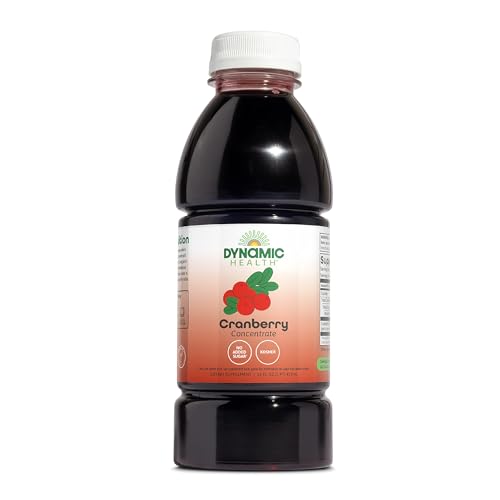
Dynamic Health
DYNAMIC HEALTH 100% Cranberry Juice Concentrate, 16…
- POTENT ANTIOXIDANT. Cranberries contain nutrients like vitamins C and E, plus the added power of the antioxidant quercetin. Antiox…
- COUNT ON CRANBERRY. You’ve probably heard that cranberries are great for urinary tract health. That’s because of proanthocyanidins…
- NO ADDED SUGAR. Our Cranberry Juice Concentrate is made without sweeteners or added sugar. It’s also Vegetarian, Gluten-Free, BPA-…
If you are looking for a clean, no-added-sugar option to start with, Dynamic Health 100% Cranberry Juice Concentrate packs roughly 4,000 cranberries per bottle and skips the sweeteners. It is a concentrated base, so you dilute it yourself, which gives you full control over sugar intake and strength.

What Makes Cranberry Juice a Nutritional Powerhouse?
Cranberries are one of the few fruits native to North America, and they are also one of the most chemically complex. The berry’s bright red color comes from anthocyanins, but the real antioxidant firepower sits in a class of compounds called proanthocyanidins, or PACs. These are not the same as the tannins in tea or wine, though they share a similar bitter profile.
An 8-ounce serving of pure, unsweetened cranberry juice delivers about 60 calories, 15 grams of natural sugar, and a solid hit of vitamin C and vitamin E. It also provides manganese, which supports bone formation and metabolism, and vitamin K, which matters for blood clotting. The polyphenol content is what sets it apart from, say, apple or white grape juice. Those fruits have polyphenols too, but cranberries carry a specific type of PAC with a unique shape that does something no other fruit juice can do.
The antioxidant capacity, measured by ORAC (Oxygen Radical Absorbance Capacity) scores, puts cranberries near the top of the fruit chart, ahead of strawberries and raspberries. But raw antioxidant numbers only tell part of the story. The body absorbs these compounds selectively, and the benefits depend on how they interact with your gut microbiome and tissues. That is where the science gets specific.
The Science of Antioxidant Activity: PACs and Polyphenols
Antioxidants neutralize free radicals, which are unstable molecules that steal electrons from your cells and cause oxidative stress. Oxidative stress is linked to aging, inflammation, and chronic disease. Cranberry polyphenols act as electron donors, breaking the chain reaction before it damages cell membranes or DNA.
But here is the nuance: not all polyphenols survive digestion. Many pass through the stomach and get metabolized by gut bacteria in the colon. The compounds that reach your bloodstream are mostly phenolic acids, not the original large molecules. This means the antioxidant effect you feel is indirect. It depends on your individual gut flora. Someone with a diverse microbiome will convert more PACs into absorbable metabolites than someone with a depleted one.
How PACs Block Bacterial Adhesion
The most famous cranberry mechanism is not about killing bacteria. It is about stopping them from sticking. E. coli strains that cause urinary tract infections use hair-like projections called fimbriae to latch onto the lining of the bladder and urethra. If they cannot anchor, they get flushed out when you urinate.
Cranberry PACs are structurally unique. They have A-type linkages, which are double bonds between flavan-3-ol units. Most other fruits have B-type linkages. That A-type shape fits into the tip of the fimbriae like a key into a lock, physically blocking the adhesion site. Research from the Journal of Urology and others confirms that this effect appears within two hours of drinking juice and lasts up to eight hours.
This is a prevention strategy, not a cure. Once bacteria have already colonized and formed a biofilm, cranberry PACs do little to dislodge them. You need antibiotics for an active infection. But as a prophylactic, the data is strong, especially for women with recurrent UTIs.
Complete Nutrition Profile (Per 8 oz Serving)
Here is the breakdown for pure, unsweetened cranberry juice. Keep in mind that many commercial products labeled as cranberry juice are actually blends with apple or grape juice, which changes these numbers.
| Nutrient | Amount | % Daily Value |
|---|---|---|
| Calories | 60 kcal | — |
| Carbohydrates | 15 g | 5% |
| Sugars (natural) | 15 g | — |
| Vitamin C | 30 mg | 33% |
| Vitamin E | 1.2 mg | 8% |
| Vitamin K | 28 mcg | 23% |
| Manganese | 0.4 mg | 17% |
| Polyphenols (PACs) | ~100-200 mg | — |
The PAC content varies wildly by harvest and processing. Heat degrades them, so cold-pressed or minimally processed juices retain more. That is why the concentrate format works well; it skips the high-heat pasteurization that many bottled juices go through.
Proven Health Benefits (Backed by Research)
The evidence base for cranberry juice is uneven. Some studies are rigorous, others are funded by juice companies with obvious bias. Here is what holds up.
Urinary Tract Health (Prevention vs. Treatment)
A 2026 Cochrane review analyzed 24 trials with over 4,000 participants. The conclusion: cranberry products reduced the risk of recurrent UTIs by about 26% in women with a history of infections. The effect was weaker in elderly people and those with neurogenic bladder. It did not work for everyone, and it did nothing for active infections.
The dosage matters. Most positive trials used 8 to 16 ounces of 27% cranberry juice, or a concentrated extract providing 36 mg of PACs daily. That is a specific number worth remembering. More is not better; the adhesion-blocking effect plateaus, and excess juice just adds sugar.
Cardiovascular and Anti-Inflammatory Effects
Beyond the urinary tract, cranberry polyphenols show promise for heart health. A 2026 meta-analysis in Advances in Nutrition found that daily cranberry consumption lowered systolic blood pressure by about 3 mmHg and reduced LDL cholesterol by 5%. The effect is modest but real, driven by improved endothelial function and reduced inflammation markers like C-reactive protein.
The antioxidant activity also helps with oral health. PACs prevent Streptococcus mutans from adhering to teeth, which is the same adhesion-blocking mechanism applied to dental plaque. Some small trials show reduced cavity formation with regular consumption, though the sugar in juice partially offsets this benefit.
One more thing: cranberry juice is not a detox. Your liver and kidneys do that work. The idea that a tart drink flushes toxins is marketing, not physiology. What it does do is support those organs by reducing oxidative load.
The Hidden Sugar Problem: Juice vs. Cocktail
Here is the trap. Most commercial cranberry juice is a cocktail, meaning it contains only 25-27% real juice, with the rest made up of water and high-fructose corn syrup or added sugar. A standard 8-ounce glass of cranberry juice cocktail has about 30 grams of added sugar on top of the natural 15 grams. That is nearly the entire daily added sugar limit for an adult, in one glass.
| Product | Sugar per 8 oz | Real Juice % |
|---|---|---|
| Pure unsweetened cranberry juice | 15 g (natural) | 100% |
| Cranberry juice cocktail | 30 g (added) | 25-27% |
| Cranberry blend (apple/cranberry) | 25 g (mixed) | ~50% |
| Diet cranberry juice | 0 g (artificial sweetener) | 25-27% |
If you drink cocktail daily for UTI prevention, you are trading one health problem for another. The sugar spike drives insulin resistance, contributes to fatty liver, and feeds the same inflammation you are trying to fight. The difference between fake and real juice is not just taste; it is the entire metabolic effect.
Read the label. If the first ingredient is water and the second is high-fructose corn syrup, put it back. Look for 100% juice with no added sweeteners, or use a concentrate like the Dynamic Health product mentioned earlier, where you control the dilution.
Potential Side Effects and Drug Interactions
Cranberry juice is safe for most people, but it is not harmless. The two big concerns are blood thinners and kidney stones.
Warfarin, Oxalates, and Kidney Stones
Cranberries are high in vitamin K, which is the vitamin that warfarin (Coumadin) antagonizes. Drinking large amounts of cranberry juice while on warfarin can reduce the drug’s effectiveness, increasing clot risk. The interaction is dose-dependent; a single glass is usually fine, but a quart a day is not. If you take warfarin, talk to your doctor before making cranberry juice a daily habit.
The kidney stone story is more complicated. Cranberries contain oxalates, which bind with calcium to form calcium oxalate stones, the most common type. For people who have already had a calcium oxalate stone, large doses of cranberry juice can increase stone recurrence risk. That is the opposite of the common belief that all juices prevent stones.
However, cranberries also contain quinic acid, which makes urine more acidic. Acidic urine discourages the formation of struvite and brushite stones. So the effect depends on your stone type. If you are a calcium oxalate former, skip the cranberry juice. If you form other types, it might help. Get a stone analysis before assuming.
Other side effects are milder. The acidity can irritate the stomach lining, especially on an empty stomach, and can erode tooth enamel over time. Drinking through a straw and rinsing with water afterward mitigates the dental risk.
How to Choose, Store, and Drink It (Dosage Guide)
Choosing a product comes down to three factors: PAC content, sugar content, and processing method. Pure unsweetened juice is the baseline. Concentrates are better if you want to control strength and avoid preservatives. Capsules and extracts are an option if you hate the taste, but they lose the synergistic effects of whole-fruit polyphenols.
For storage, keep opened juice refrigerated and consume within 7-10 days. The polyphenols oxidize quickly once exposed to air. Concentrates last longer, usually a few months in the fridge, because the high acidity acts as a preservative.
Here is a practical dosage protocol based on the clinical trials:
- Prevention dose: 8 oz of 100% unsweetened juice daily, or 36 mg of PACs from a concentrate.
- Recurrent UTI protocol: 8 oz twice daily (morning and evening) to maintain adhesion-blocking coverage around the clock.
- Timing: Drink it with a meal to buffer the acid and slow sugar absorption.
- Dilution: Mix 1 part concentrate with 3 parts water for a palatable strength.
Do not chase a bigger dose. The fimbriae-blocking effect saturates, and extra juice only adds calories and oxalates. Consistency beats quantity.
DIY: How to Make Low-Sugar Cranberry Juice at Home
If you have fresh or frozen cranberries, you can make your own juice with zero added sugar. The result is tart, almost sharp, but you can adjust it to your palate.
- Add 2 cups of fresh or frozen cranberries to 4 cups of water in a saucepan.
- Bring to a boil, then reduce to a simmer for 15 minutes until the berries burst.
- Mash the berries with a potato masher to release the juice.
- Strain through a fine-mesh sieve or cheesecloth. Press firmly to extract all liquid.
- Cool and refrigerate. It keeps for about a week.
This yields about 3 cups of juice with roughly 10 grams of natural sugar per cup. You can add a squeeze of lemon or a pinch of stevia if the tartness is too much. Avoid honey or maple syrup if you are watching sugar. The homemade version tastes nothing like the cocktail, but after a week, the store-bought stuff tastes like candy in comparison. For more ideas on getting the most out of the fruit, check out these cranberry juice consumption methods.
Frequently Asked Questions
Can cranberry juice cure an existing UTI?
No. Once bacteria have adhered and multiplied, cranberry PACs cannot dislodge them. You need antibiotics. Cranberry juice is a preventive tool, not a treatment. Drinking it during an active infection is not harmful, but it will not shorten the illness.
How much cranberry juice should I drink daily for prevention?
Clinical trials use 8 to 16 ounces of 27% juice or 36 mg of PACs daily. That translates to about 8 ounces of pure unsweetened juice, or roughly 1 ounce of a concentrated extract diluted in water. More does not add benefit.
Is cranberry juice cocktail as good as pure cranberry juice?
No. Cocktail contains only 25-27% real juice and adds high-fructose corn syrup or sugar. You get less than a third of the PACs and a large sugar load. The sugar undermines the antioxidant benefits. Always check the label for 100% juice.
Does cranberry juice interact with blood pressure medication?
Cranberry juice does not directly interfere with most blood pressure drugs, but it may enhance their effect slightly due to its own blood-pressure-lowering properties. Monitor your readings closely if you add it to your routine. The bigger concern is with warfarin, not ACE inhibitors or beta-blockers.
Can I drink cranberry juice while pregnant?
Yes, in normal food amounts. It is a good source of vitamin C and hydration. Avoid mega-doses of concentrated extracts, as the safety data for high-dose PAC supplements during pregnancy is limited. Stick to 8 ounces of diluted juice daily.
What the Evidence Actually Supports
Cranberry juice is a legitimate functional food, not a miracle cure. The antioxidant activity is real, backed by a specific molecular mechanism that no other fruit replicates. The PACs block bacterial adhesion, lower blood pressure modestly, and reduce inflammation markers. Those are meaningful effects.
But the benefits depend entirely on what you buy and how much you drink. The sugar trap is the biggest pitfall. A glass of cocktail is closer to soda than to medicine. The drug interactions and oxalate risk are real, especially for warfarin users and calcium oxalate stone formers.
- Choose 100% unsweetened juice or a concentrate; skip anything with added sugar.
- Use 8 oz daily for prevention, or 36 mg of PACs, and do not exceed 16 oz.
- Drink it with meals to buffer acid and slow sugar absorption.
- Do not rely on it for an active UTI; that requires antibiotics.
- Check with your doctor if you take warfarin or have a history of kidney stones.
- Store opened juice in the fridge and use it within a week to retain polyphenols.
- Homemade juice is easy, cheaper, and completely sugar-free if you can handle the tartness.
The bottom line: cranberry juice earns its reputation, but only when you treat it as a precise tool with a specific dose and a clean label. Done right, it is one of the few juices that genuinely earns a place in a daily routine. Done wrong, it is just another sugary drink. The choice is yours.


