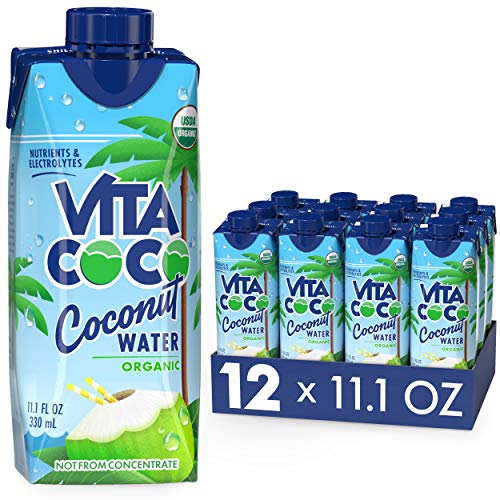
Say you have been diagnosed with gout and want to enjoy coconut juice. Drinking about 8 oz daily keeps uric acid levels stable while avoiding excess sugar and potassium that may worsen symptoms.
This article explains how coconut juice affects uric acid, who should avoid or limit it, and safer drink alternatives you can consider.
Coconut Juice and Uric Acid: What You Should Know
Coconut juice is generally safe in moderation for uric acid control. About 8 oz (one cup) once a day is fine for most people. It contains natural sugars and potassium, which can influence uric acid levels, so limiting intake helps avoid spikes. If you already drank more, drinking water afterward can support kidney clearance.

Coconut juice typically has about 6 to 7 grams of natural sugars per 8 oz (one small cup), which can influence uric acid metabolism indirectly. High sugar intake, especially fructose, can increase uric acid production in the liver, so sugar from coconut juice contributes to this effect if consumed in excess.
The potassium content in coconut juice is about 250 to 300 mg per 8 oz serving. Potassium helps your kidneys excrete uric acid more effectively, supporting uric acid clearance from your body. This makes coconut juice potentially beneficial by aiding kidney function, but too much potassium might be an issue if your kidneys are not working well.
Coconut juice contains natural sugars and potassium that can affect uric acid and kidney function. These nutrients may raise uric acid levels if consumed in large amounts. For this reason, people managing uric acid should monitor how much they drink and keep it moderate.
The sugars in coconut juice can increase uric acid indirectly by promoting uric acid production in the liver, while potassium helps balance this by boosting uric acid elimination via the kidneys. Your body’s uric acid level depends on this balance between production and excretion.
Coconut juice is a natural source of sugars and potassium. Both can influence uric acid levels and kidney workload. Staying within about one cup daily helps you enjoy coconut juice without risking a uric acid increase.
Who Should Avoid or Limit Coconut Juice More Strictly
People with advanced kidney disease or those prone to high potassium should limit coconut juice more strictly. Its potassium content can build up when kidney filtering is reduced, increasing the risk of dangerous heart effects. Also, if you have gout or a history of uric acid kidney stones, watch your portion size and frequency.
If you have poorly controlled gout or consistently high uric acid, limiting sugar intake is crucial. This includes natural sugars from coconut juice, as excess sugar can worsen uric acid production and gout flares.
Expired or fermented coconut juice can cause digestive upset and worsen symptoms, especially for those sensitive to gout or kidney issues. Avoid any coconut juice that smells sour, has a fizzy texture, or tastes off.
A blue tint in coconut juice packaging or the coconut itself is unusual and may indicate additives or spoilage. Always rely on the expiration date and sensory checks rather than color alone.
Safer Drink Alternatives for Uric Acid and Kidney Health
Safer drink choices include plain water, herbal teas, and low-potassium fruit juices like cranberry or apple juice. These help maintain hydration without adding too much potassium or sugar, which can worsen uric acid or kidney issues. Avoid sugary sodas and energy drinks that may spike uric acid or cause dehydration.

Low-sugar fruit juices such as cranberry juice or diluted apple juice can be occasional alternatives. These provide hydration with minimal sugar impact, but watch for added sugars on the label as excess sugar can raise uric acid levels.
Herbal teas without caffeine or added sweeteners are also safe choices. They hydrate without stimulating uric acid production or stressing the kidneys. Avoid teas labeled as energy blends or those containing herbs that are known to affect uric acid metabolism.
Drinks high in purines, caffeine, or added sugars should be avoided as they can increase uric acid levels or worsen kidney workload. This includes many sodas, energy drinks, and some protein shakes.
Coconut aminos, a seasoning sauce made from coconut sap, is not a drink and contains no purines or caffeine. It is safe for a uric acid diet but does not hydrate or replace fluids.
For more about juice choices and purine content, see related pages on cranberry juice and citric acid and coconut purine levels.
How Much Coconut Juice Is Safe by Situation
For most adults managing uric acid, drinking up to 8 oz (one cup) of coconut juice daily is generally safe. If you have kidney disease or gout, limit intake to 4 oz (half a cup) or less. Spread consumption throughout the day rather than drinking large amounts at once to avoid sudden potassium or sugar spikes.
Water enters the coconut through natural growth processes, accumulating as a clear liquid inside the shell. This liquid contains electrolytes that can affect kidney function and uric acid handling.
| Condition | Recommended Max Coconut Juice per Day |
|---|---|
| Mild gout | 8 oz (1 small cup) |
| Moderate gout | 4 oz (half a cup) |
| Chronic kidney disease stage 1-2 | 6 oz |
| Chronic kidney disease stage 3-4 | 2 oz or less |
| Dialysis patients | Avoid |
Drinking coconut juice with food can help reduce any stomach discomfort from its natural sugars. Avoid drinking it on an empty stomach if you experience bloating or acid reflux.
Potassium and sugar content are why limits matter. High potassium may build up if kidneys are impaired, and sugar can raise uric acid production. Both effects increase with larger amounts.
What To Do Next for Managing Uric Acid and Drinks
To manage uric acid effectively, track your total daily potassium and sugar intake from all drinks, including coconut juice. Always follow your healthcare provider’s instructions, especially if you have kidney problems or gout. If you notice swelling, irregular heartbeat, or worsening joint pain after drinking coconut juice, contact your doctor promptly.
Start by following your healthcare team’s instructions exactly. They know your full medical history and can guide you on how much coconut juice and other drinks fit your personal uric acid and kidney health.
If you notice worsening symptoms like increased joint pain, swelling, or signs of kidney trouble such as fatigue or swelling in your legs, contact your healthcare provider immediately.