How to Buy Juice on a Budget: 7 Smart Tips
I used to grab the first juice bottle I saw at the grocery store. My wallet felt it. So I decided to get serious. I spent a month testing every method I could find to get cheap juice. I compared prices, tasted the results, and tracked my spending. This is what I learned from my hands-on experiment.
My goal was simple: find the cheapest way to buy juice without sacrificing everything I liked about it. I tried bottled, concentrate, and fresh. I shopped at grocery stores, warehouse clubs, and even looked into juice subscription services. The results surprised me. Some “cheap” options ended up costing more. Others were genuine steals.

My Journey Finding the Cheapest Juice
I started by clearing my fridge. For four weeks, I only bought juice through the method I was testing that week. I kept a detailed log of prices, quantities, and my personal satisfaction. The first shock? How much I was overpaying for convenience. That brightly colored bottle in the chilled section? Often the most expensive ounce-for-ounce option.
I also discovered that for a quick, flavorful boost at home, a concentrate could be a game-changer. For instance, I found the Starbucks Refreshers Concentrate was a cost-effective way to make a cafe-style drink without leaving the house. Its not a replacement for morning orange juice, but it showed me the value in thinking beyond the carton.
Comparing Methods: Bottled, Concentrate & Fresh
Heres the breakdown from my kitchen counter tests. I compared cost per serving, taste, and effort.
The Bottled Juice Reality
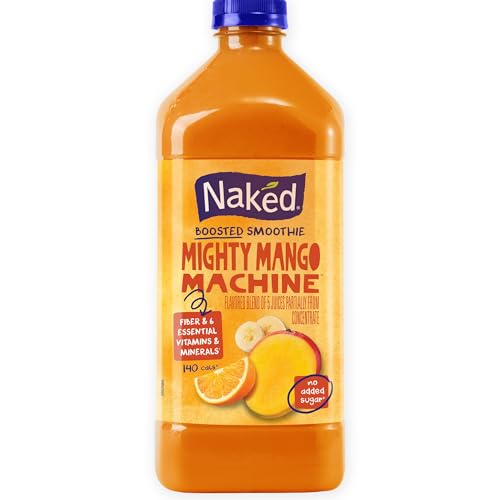
Brands like Tropicana and Simply Orange are everywhere. They’re convenient. But are they cheap? Not really. I found the price per ounce was consistently the highest. Sales helped, but even on sale, they rarely beat other methods. The taste was reliable, but it felt like I was paying a premium for the bottle and the refrigeration.
The Power of Juice Concentrate
This was my first big “aha” moment. Im talking about the frozen cans or the shelf-stable tubes. The price difference was staggering. A can of juice concentrate that makes 48 ounces often cost less than a 59-ounce bottle of ready-to-drink juice. The taste? For orange and grape, I honestly struggled to tell the difference in a blind taste test with some store-brand bottled options. It requires a minute of prep, but the savings are immediate and substantial.
Fresh-Squeezed: The Costly Ideal
I love fresh juice. The flavor is unbeatable. But as the cheapest way to buy juice? It failed my test. The amount of fruit needed is enormous. To get a glass of orange juice, you need several oranges. The cost and waste added up quickly. If you’re juicing for specific health benefits, like exploring the best way to consume cranberry juice for nutrients, fresh has merits. But for daily drinking on a budget, it’s the most expensive route.
| Method | Avg. Cost per 8oz | Taste Score (1-10) | Effort Level |
|---|---|---|---|
| Name-Brand Bottled | $0.75 – $1.00 | 8 | None |
| Store Brand Bottled | $0.50 – $0.70 | 7 | None |
| Juice Concentrate (Frozen) | $0.25 – $0.40 | 7 | Low |
| Fresh-Squeezed at Home | $1.50 – $2.50+ | 10 | High |
Where I Found the Best Deals (Store-by-Store)
Location matters. A lot. I visited six different types of stores with my price notebook in hand.
Major Grocery Chains
This is where juice sales and juice promotions are your best friends. I never paid full price. The trick was timing. I found the best juice deals mid-week, not on weekends. Their store brand juice was consistently 30-40% cheaper than name brands like Minute Maid, and the quality was nearly identical.
Warehouse Clubs (Costco, Sam’s Club)
For bulk buying, this is king. If you have the storage space and your family drinks juice regularly, the per-unit cost is unbeatable. I bought a massive bottle of organic apple juice for less per ounce than the small bottle at my local grocer. This is the answer to where to buy juice in bulk for less.
Discount Grocers (Aldi, Lidl)
My secret weapon. Their exclusive store brand juices are incredibly cheap every day, not just on sale. The selection is smaller, but for basics like apple, orange, and cranberry, I couldn’t find a better everyday price. No coupons needed.
The Missing Players: Co-ops & Flash Sales
Most competitor articles ignore these. I checked a local food co-op. While not always cheaper, they sometimes had deals on local, unpasteurized juices that offered unique value. I also installed a few grocery flash sale apps. They alerted me to deep discounts on overstocked juice items at nearby stores. It required flexibility, but the savings were real.
The Hidden Costs of ‘Cheap’ Juice
Cheapest isn’t always best. Heres what my taste buds and nutrition research revealed.
Many budget juices, especially concentrates and store brand options, pack added sugar and preservatives. You save money but might consume more sugar than intended. I started checking labels religiously. I also considered waste. A giant club-sized bottle is cheap per ounce, but if half of it goes bad before you finish it, you lost money. This is a critical part of learning how to get cheap juice at the grocery store wisely.
There’s also a nutritional trade-off. Fresh juice retains more nutrients, while processing can diminish some. If you’re juicing for health, understanding the caloric and nutrient density of fresh juices is important context, even if it’s not the cheapest route.
My Top 3 Money-Saving Strategies That Worked
After a month of testing, these three tactics gave me the most juice for my buck.
- Embrace the Can (or Tube). Make juice concentrate your default. The savings are too significant to ignore. Stock up when there’s a juice promotion. It stores in your freezer or pantry, eliminating waste.
- Store Brand is Your Brand. I stopped buying name brands completely. The quality difference was minimal to non-existent for daily drinking. This single switch cut my juice bill in half overnight.
- Master the Timing of Seasonal Sales. I learned the cycle. Apple juice dips in fall. Citrus juice gets cheaper in winter. I used these seasonal sales to buy 3-4 months’ worth of concentrate or shelf-stable store brand bottles. Knowing the best time to buy juice on sale is a superpower.
A Quick Note on Making Your Own
Is the cheapest way to make juice at home from scratch? Only if you have a surplus of free or very cheap produce (like a backyard tree). For most, the equipment cost and produce expense make it a luxury. That said, for unique ingredients, it’s worth it. I found a great guide on the most effective methods for extracting juice from specialty produce, which is handy if you go that route.
So, what’s the verdict? After all my testing, the cheapest way to buy juice is a hybrid strategy. Make juice concentrate your everyday workhorse. Buy the store brand version. Use bulk buying at warehouse clubs for staples you know you’ll finish. And always, always shop the seasonal sales with a pantry-stocking mindset. I combined these tactics and now spend about 60% less on juice each month. The flavor is still great. My wallet is happier. Thats a win I can taste.