Carrot Juice Recipe for Chemotherapy Patients: How to Make It Safely
7 min read
Quick answer
Carrot juice can be made safely and gently for chemotherapy patients by using fresh ingredients and simple equipment; this recipe takes about 10 minutes and yields two 8 oz glasses.
Carrot juice offers antioxidants and nutrients that may support health during chemotherapy. You will learn how to prepare a fresh, low-sugar carrot juice recipe that avoids common pitfalls and suits sensitive digestion.
Getting the recipe wrong—for example, using unwashed produce or high sugar additives—can cause digestive upset or increase infection risk. This guide keeps it safe and straightforward.
Carrot Juice Recipe for Chemotherapy Patients: How to Make It
You can make carrot juice safely for chemotherapy patients using fresh, thoroughly washed carrots. Avoid using carrots that are bruised or soft to reduce the risk of contamination.
Freshly made carrot juice is safe for chemotherapy patients when prepared properly.
Ingredients to Gather
4 large fresh carrots (about 1 pound)
1 cup clean, filtered water
Optional: a small piece of fresh ginger (for mild flavor)
1
Wash Thoroughly
Rinse carrots under running water and scrub with a vegetable brush to remove dirt and pesticides.
2
Peel and Cut
Peel carrots if possible to reduce any surface contaminants, then chop into 1-inch pieces for easier blending.
3
Blend
Place carrots and 1 cup water in a clean blender. Blend on medium-high for 1 to 2 minutes until smooth.
4
Strain
Pour the blend through a fine mesh strainer or cheesecloth into a clean container to remove pulp if desired.
5
Serve Fresh
Pour two 8 oz glasses and enjoy immediately to maximize nutrients and reduce bacterial growth.
Why Hygiene Matters
Chemotherapy can reduce your body’s ability to fight infections. Using clean equipment and fresh, thoroughly washed ingredients helps lower the chance of introducing harmful bacteria. Avoid prepackaged or unpasteurized juices, as they may carry germs that are risky when your immune system is weaker.
Drink
Sugar per serving
Servings
Total
1 cup fresh carrot juice
9 g
2
18 g
Total
18 g
Daily added sugar limit for men (g) (36 g)
50%
Two 8 oz glasses contain about 18 g natural sugar, safe within daily limits for most patients. Totals are calculated from the amounts shown; labels vary by size and brand, so check the one you have.
Worked example
Say you make 16 oz of carrot juice from 4 carrots as described; you get two glasses each with about 9 grams of natural sugar. This fits well within safe sugar intake during chemotherapy when avoiding added sugars.
Ready-made option
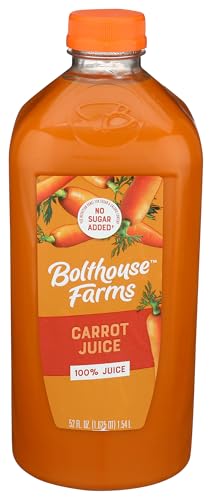
Bolthouse Farms Vegetable Juice Smoothie
Bolthouse Farms Vegetable Juice Smoothie offers 100% pure carrot juice with no added sugars, a convenient alternative that meets safety needs for chemotherapy patients.
Fresh carrots, juicer or blender, and optional fresh ginger or turmeric for gentle flavor
Pure carrot juice
Bolthouse Farms Vegetable Juice Smoothie 100% Carrot
This 100% carrot juice is convenient for chemotherapy patients who want a pure vegetable juice without added sugars or artificial flavors. It provides a rich source of antioxidants and can be blended with other fresh produce for variety.
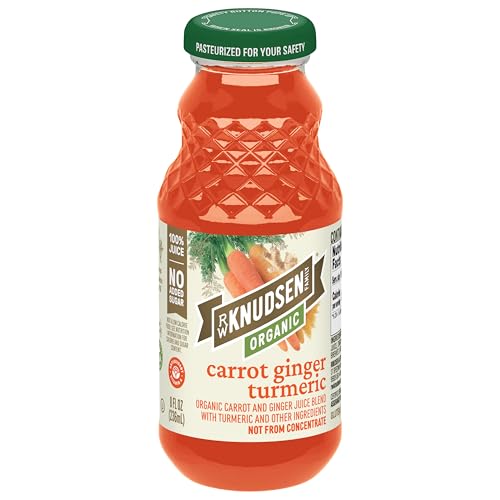
This organic juice blend includes ginger and turmeric, which can add gentle flavor and anti-inflammatory benefits without added sugars or artificial preservatives. It suits chemotherapy patients looking for a more natural, certified organic option in small servings.
Adjusting Carrot Juice for Common Health Needs During Chemotherapy
You can adjust carrot juice recipes to suit digestion, sugar limits, and kidney health during chemotherapy by modifying ingredients and preparation methods. Homemade apple juice or tomato juice recipes can also provide variety with tailored benefits.
Sugar and Digestion
Carrot juice naturally contains sugar and fiber that may affect digestion differently depending on your tolerance and treatment stage.
Adjustments to Consider
To lower sugar, dilute carrot juice with water or blend with low-sugar vegetables like cucumber.
For gentler digestion, peel carrots well and strain juice to remove pulp.
Swap carrots partially with tomato juice for fewer sugars and added antioxidants.
Use homemade apple juice recipes with peeled apples for natural sweetness that’s easier on the stomach.
Limit high-potassium ingredients if kidney function requires it, replacing carrots with lower-potassium vegetables.
Recipes using tomato juice can offer a savory alternative with less sugar but still provide vitamins and hydration. Homemade apple juice recipes often combine peeled apples with water, yielding a mild juice with natural sweetness that fits sugar limits better than many commercial juices. Both options can be blended with carrot juice to balance flavor and nutrients.
Common Mistakes That Ruin Carrot Juice for Chemotherapy Patients
Carrot juice side effects often come from mistakes like unwashed produce, too much sugar, or drinking large amounts at once. These errors can affect safety, taste, and digestion for chemotherapy patients.
Using unwashed carrots risks bacterial contamination, which can cause infections when your immune system is lowered by chemotherapy. Always wash carrots thoroughly under running water before juicing to remove dirt and pesticides.
Adding too much sugar or spices can worsen digestion and spike blood sugar levels, which may already be sensitive during treatment. Keep added sugar under about 6 grams per serving (around 1 teaspoon) to avoid irritation or unwanted blood sugar rises.
Myth
Drinking large amounts of carrot juice is harmless and boosts health quickly.
Fact
Too much carrot juice can cause digestive discomfort, including bloating and diarrhea, due to its natural sugars and fiber. It also raises blood sugar and may lead to carotenemia — yellowing of the skin from excess beta-carotene. Limit intake to about 8 oz (one small glass) per day.
Mistake
Effect
Unwashed carrots
Risk of infection and foodborne illness
Excess sugar or spices
Digestive upset and blood sugar spikes
Drinking large amounts
Digestive discomfort and skin yellowing
Mistakes and Their Impact
How to Store Carrot Juice Safely and How Long It Lasts
You can store freshly made carrot juice in the refrigerator to keep it safe and fresh. Use a clean, airtight container and refrigerate it within two hours of juicing.
Store carrot juice in airtight containers in the refrigerator to keep it fresh.
Carrot juice generally stays fresh for up to 48 hours in the fridge. Beyond this, its vitamin content declines and bacteria can start growing, which risks foodborne illness especially during chemotherapy.
Watch for signs of spoilage before drinking: sour smell, off taste, visible mold, or cloudy appearance. If you notice any of these, discard the juice immediately.
Refrigeration Tip
Keep carrot juice cold at or below 40°F (4°C) and avoid leaving it on the counter for long periods to prevent bacterial growth.
If you want to keep juice longer, freezing is an option but it may change the texture and taste. Thaw it in the fridge and consume within 24 hours after thawing.
Following safe storage rules can help you enjoy fresh carrot juice without risking your health during chemotherapy. If you want to learn more about carrot juice storage times, see How Long Does Carrot Juice Last in the Fridge? Storage Tips.
More Questions, Answered
Is carrot juice safe to drink during chemotherapy?
Carrot juice is generally safe during chemotherapy if made from fresh, well-washed carrots and consumed in moderate amounts. It provides vitamins and antioxidants that support nutrition. However, always check with your healthcare team, as individual treatment plans and immune status can affect safety.
How much carrot juice can I drink daily while on chemotherapy?
About 8 to 16 oz (one to two glasses) of carrot juice daily is usually safe for most chemotherapy patients. This amount helps avoid excessive sugar intake and digestive upset. If you have kidney issues or blood sugar concerns, your doctor might recommend less.
Can I add ginger or turmeric to carrot juice for extra benefits?
Adding small amounts of ginger or turmeric to carrot juice is usually fine and may ease nausea or inflammation. Use about 1/4 to 1/2 teaspoon of fresh grated ginger or turmeric per glass. Avoid large quantities, as they can interact with some medications or irritate the stomach.
What should I avoid adding to carrot juice during chemotherapy?
Avoid adding unpasteurized ingredients, excessive sugar, or high-acid fruits like citrus that might irritate your mouth or digestive tract. Also, skip raw herbs or supplements without your doctor’s approval, as they can interfere with treatment or cause side effects.
How soon should I drink freshly made carrot juice?
Drink freshly made carrot juice within 24 hours when stored in the refrigerator to retain nutrients and reduce bacterial growth. For best safety and taste, consume it within 8 to 12 hours after juicing.
Can carrot juice cause side effects for chemotherapy patients?
Carrot juice can cause mild side effects like digestive discomfort, especially if consumed in large amounts or if you have a sensitive stomach. High natural sugar content may also affect blood sugar levels. Start with small servings and monitor how you feel.