Can You Bring Tea Bags on a Plane? TSA Rules Explained
On this page 4 sections
Yes, you can take tea bags on a plane in both carry-on and checked luggage, but check airline regulations for specific restrictions.
Traveling with tea bags is a common concern for tea lovers who want to enjoy their favorite brew while flying. The good news is that both dry tea bags and loose tea leaves are permitted in carry-on and checked luggage according to TSA regulations. However, there are important rules to follow regarding liquid tea and international travel.

TSA Rules for Tea Bags on Planes
The Transportation Security Administration (TSA) clearly states that dry tea bags and loose tea leaves are allowed in both carry-on and checked baggage without quantity restrictions. These items are considered solid foods rather than liquids or gels.
Carry-On Luggage Rules
- Dry tea bags – Unlimited quantity allowed
- Loose tea leaves – Allowed (may be treated as powder)
- Liquid tea – Must follow 3-1-1 rule (3.4 oz or less)
Checked Baggage Rules
- No restrictions on dry tea bags or loose leaves
- Larger quantities of liquid tea permitted

Special Considerations
Liquid Tea Restrictions
Pre-made liquid tea falls under the TSA’s 3-1-1 rule for carry-ons. You can bring containers of 3.4 ounces (100ml) or less in a single quart-sized clear plastic bag. Larger quantities must go in checked baggage.
International Travel
While you can bring tea on international flights, some countries restrict agricultural imports. Always check destination country regulations. Australia and New Zealand, for example, have strict biosecurity laws.
Airport Purchases
Liquid tea bought after security screening is generally allowed onboard. However, some airports conduct additional screening at gates where you may need to finish beverages before boarding.
Packing Tips for Tea Travelers
For In-Flight Use
Tea bags are more convenient than loose leaves for airplane use. Pack them in an easily accessible container for separate screening if requested.
For Destination Use
Keep tea in original, unopened packaging with receipts when possible. This helps with customs declarations at your destination.
Security Screening
TSA recommends keeping your carry-on organized. Powders and foods should be packed for easy removal during screening. Our guide on travel-friendly appliances offers more packing tips.
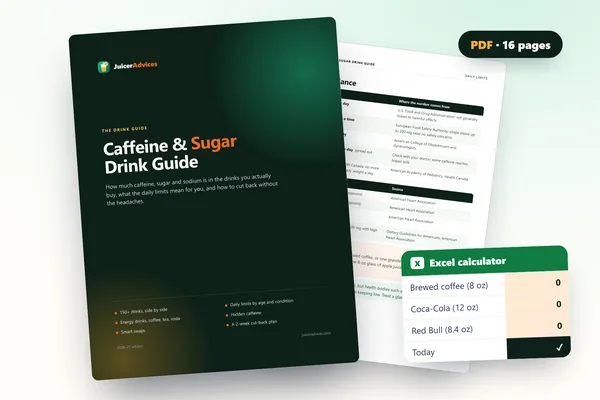 Caffeine & Sugar Drink GuideKnow exactly how much caffeine, sugar and sodium is in 150+ popular drinks, and set daily limits that fit you.Caffeine and sugar in 150+ drinksDaily limits, smart swaps and a cut-back planDaily caffeine and sugar calculator (Excel)
Alternative Options
If you’re concerned about bringing tea, consider these alternatives:
- Many airlines offer tea service onboard
- Hotels and accommodations often provide tea
- Purchase tea at your destination (check our travel coffee maker guide for compatible options)
According to the official TSA website, “Solid food items (not liquids or gels) can be transported in either your carry-on or checked bags.”
Remember that while tea bags are generally permitted, final approval rests with the TSA officer at the checkpoint. When in doubt, pack tea in checked luggage or contact your airline for specific guidance.
Related pick: Check price on Amazon