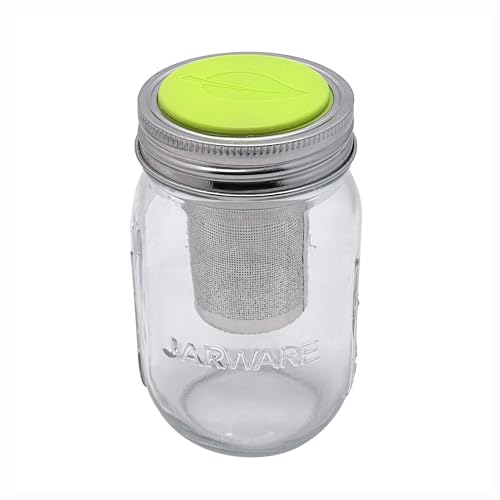
You just brewed a perfect cup of tea, and the only clean mug in the cupboard is a mason jar. You’ve seen people drink iced tea from them all summer, so pouring something hot in there seems harmless. Then a small voice in your head asks: will this thing shatter in my hands?
That worry is justified. Mason jars are tough, but they are not invincible. The difference between a safe pour and a glass explosion comes down to temperature, technique, and the specific jar you’re holding. This guide walks through the science of thermal shock, the exact degree thresholds that matter, and a simple preheating routine that makes hot tea in a mason jar perfectly safe.
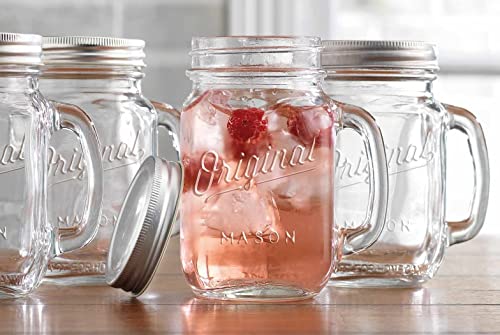
Glaver's
Glaver's Mason Jar 16 Oz. Glass Mugs…
- ERGONOMIC DESIGN - Our cute mason jar mugs sets are designed with our customers in mind. Ergonomically designed handles allow for…
- SET INCLUDES: 4 high quality glass mason jar mugs with handle and tin screw on lids 16 ounces. Written- Original Mason on each. No…
- MULTIPURPOSE USE: Our Mason Jar cups are great for parties, events, barbecue's, summer patio drink, picnics, barbeques, and so muc…
You’ll also learn why some jars are simply not meant for heat, how to test a jar before you trust it, and what to do when you need to cool the tea down fast. By the end, you’ll know exactly when to grab a jar and when to reach for something else.
If you want a dedicated drinking vessel for this, the Glaver's Mason Jar 16 oz. Glass Mugs with Handle and Lid Set of 4 gives you the same rustic look with an ergonomic handle and a screw-on lid. Just note the manufacturer’s warning: these are not meant for hot liquids. They’re built for iced tea, lemonade, and cold drinks — which is exactly what they excel at.

The Science of Thermal Shock (Why Jars Crack)
Glass cracks when different parts of it expand at different rates. Pour boiling water into a cold jar, and the inside surface heats up fast while the outside stays cool. That temperature difference creates stress. When the stress exceeds the glass’s strength, it fractures.
This is called thermal shock. The key variable is the temperature gradient — the difference between the hottest and coolest spots in the glass. A sudden 150°F swing is far more dangerous than a gradual 50°F change.
Mason jars are made from soda-lime glass, the same basic material as most windows and bottles. It’s cheap, strong, and perfectly fine for canning at boiling temperatures — but only when heated slowly and evenly. Soda-lime glass has a relatively high coefficient of expansion, meaning it expands noticeably as it warms. That’s why sudden temperature changes are so risky.
Borosilicate glass, by contrast, expands only about one-third as much. Laboratory glassware and some premium teapots use it because it shrugs off thermal shock. Standard mason jars do not. So the material itself sets the limits for what you can safely do.
Safe Temperature Limits for Mason Jars
Here is the number that matters most: keep hot tea below 212°F (100°C). That’s the boiling point of water, and pouring boiling water directly into a room-temperature mason jar is the fastest way to crack it. Even a jar that survives once may develop microfractures that fail later.
Most tea varieties don’t need boiling water anyway. Black tea steeps best at 200–212°F, green tea at 160–180°F, and white tea at 160–175°F. You can safely pour water at 200°F into a preheated mason jar, but 212°F is pushing it.
The 180°F Rule for Brewing Tea
For a foolproof experience, aim for water around 180°F. That’s below boiling — you’ll see steam but no bubbles — and it’s hot enough to steep black, oolong, and herbal teas properly. Green and white teas prefer even cooler water, around 160–170°F, which is even safer for the glass.
Why does this matter? A full jar is safer than a half-empty one. When you fill a jar nearly to the top, the glass mass heats more evenly. A half-full jar exposes more dry glass to ambient air, creating a steeper gradient between the hot liquid level and the cold upper rim. That rim is often the first place cracks appear.
So the practical rule: use water below 212°F, fill the jar at least three-quarters full, and preheat the glass first. Follow those three steps, and your risk drops dramatically.
The Two-Step Preheating Method
Preheating eliminates the temperature gradient before the hot tea ever touches the jar. It takes thirty seconds and costs nothing.
- Rinse the jar with warm tap water. Swirl it around so the entire interior surface warms up. This raises the glass temperature from room temperature to about 100–110°F.
- Pour in a small amount of hot water — about a quarter cup — from your kettle. Swirl again, let it sit for 15 seconds, then dump it. The jar is now close to your tea’s temperature.
That’s it. The two-step process reduces the thermal shock from a sudden 180°F swing to a gentle 30–40°F difference. It’s the same principle behind warming a wine glass before pouring hot mulled wine.
The Metal Spoon Heat Sink Trick
Drop a clean metal spoon into the empty jar before pouring. The metal absorbs heat quickly and distributes it through the glass, acting as a heat sink. This is a classic bartender trick for warming glassware, and it works surprisingly well.
The spoon also gives you a handy stirring tool afterward. Just make sure it’s heat-safe and long enough to reach the bottom without your fingers getting close to the hot glass.
Identifying Heat-Safe vs. Decorative Jars
Not all mason jars are created equal. The myth that every jar labeled “mason” can handle hot liquid leads to cracked glass and ruined tea. You need to know what you’re holding.
Modern canning jars from Ball, Kerr, and Bernardin are designed for boiling-water canners. They’re tempered and annealed to survive repeated hot-cold cycles. These are your best bet for hot tea, provided you preheat them.
Vintage jars from flea markets are a gamble. Glass formulation has changed over the decades, and old jars may have invisible stress fractures from years of use. They look charming, but they’re not worth the risk.
Decorative jars — the ones sold as drinking glasses or craft supplies — often skip the tempering step entirely. They’re made for looks, not thermal stress. Some are even made from thinner glass that cracks at lower temperatures.
Visual Inspection and Brand Markings
Check the bottom of the jar. Modern canning jars typically have a brand name, a size marking, and often a date code. If you see “Ball” or “Kerr” embossed on the glass, you’re holding a jar built for heat. If the bottom is blank or says “decorative use only,” treat it as cold-drinks-only.
Look for bubbles, chips, or scratches inside the glass. Any surface imperfection is a stress point. A jar with a visible flaw should never hold hot liquid, no matter what the brand says.
When in doubt, run the spoon test: tap the jar gently with a metal spoon. A clear, ringing tone means the glass is sound. A dull thud suggests a crack or structural weakness. It’s not a scientific test, but it catches the most obvious problems.
Step-by-Step: How to Brew Hot Tea in a Mason Jar
Assuming you have a modern canning jar, here’s the full workflow.
- Heat your water to 180–200°F, depending on the tea type. Use a kettle with a temperature setting, or let boiling water sit for 30–60 seconds to cool slightly.
- Preheat the jar using the two-step rinse method described above.
- Add your tea — one tea bag or one teaspoon of loose leaf per 8 ounces of water.
- Pour the hot water slowly, aiming for the center of the jar rather than the side. A slow pour reduces turbulence and gives the glass time to adjust.
- Steep for the recommended time: 3–5 minutes for black tea, 2–3 minutes for green, 5–7 minutes for herbal.
- Remove the tea bag or strain the leaves to stop the steeping process.
- Add a metal spoon to the jar before drinking — it conducts heat away from the rim and cools the first sip slightly.
The jar will be hot to the touch. Use a handle, a towel, or a silicone sleeve. The Glaver’s set mentioned earlier includes handles, which makes this step much more comfortable — though again, that particular product is for cold drinks.
Cooling and Storage: Avoiding the Fridge Trap
You made a full jar of hot tea, and now you want to chill it for later. Do not put a hot mason jar directly into the refrigerator. The cold air hits the warm glass, and the rapid temperature drop creates the same thermal shock as pouring boiling water into a cold jar — just in reverse.
Cool the tea gradually instead:
- Leave the jar on the counter with the lid off for 30–45 minutes.
- Once the jar is warm — not hot — to the touch, place it in the fridge.
- If you’re in a hurry, set the jar in a bowl of cool (not ice-cold) water for 10 minutes, then transfer to the fridge.
The same logic applies to freezing. Never put a warm jar in the freezer. The expansion from freezing water can crack even a perfectly preheated jar.
Common Mistakes and Myths (Microwave, Baking, Sous Vide)
Myth: Mason jars are microwave-safe. The glass itself is usually fine, but the metal lid is not. If you microwave a jar with its lid on, you’ll get sparks and potential damage. Even without the lid, the jar can heat unevenly, creating hot spots that crack the glass. Just transfer the tea to a mug if you need to reheat it.
Myth: You can bake in mason jars. Some recipes call for baking individual desserts in mason jars. It works, but only if you place the jars in a cold oven and let them heat up with it. Putting a glass jar into a preheated 350°F oven is a recipe for shattered glass. The temperature gradient is simply too large.
Myth: Sous vide in mason jars is safe. The sous vide water bath sits around 130–185°F, which is within the safe range for canning jars. But the jars need to be fully submerged and warmed gradually with the water. Dropping a cold jar into a hot bath is the same thermal shock problem. If you do it, preheat the jar with warm water first.
Mistake: Using the lid while the tea is hot. An airtight seal on a hot jar creates a vacuum as the tea cools. That’s fine for canning, but it makes the lid nearly impossible to remove later. Leave the lid loose or off until the tea reaches room temperature.
Mistake: Ignoring the brand. A cheap jar from a discount store might look like a mason jar, but it may not meet canning standards. Stick with Ball, Kerr, or Bernardin for hot liquids. The extra dollar is worth not cleaning glass shards off your kitchen floor.
FAQ: Quick Answers on Hot Liquids and Glass
Can you put boiling water in a mason jar?
Technically yes, but it’s risky. Boiling water at 212°F creates a severe temperature gradient in a cold jar. Preheat the jar first, pour slowly, and you’ll likely be fine. But why risk it when 200°F works just as well for tea?
What temperature cracks a mason jar?
There’s no single number because it depends on the jar’s thickness, the starting temperature, and how fast you pour. A sudden swing of 150°F or more is dangerous. Keeping the gradient under 100°F — by preheating — eliminates almost all risk.
Can you cold-brew tea directly in a mason jar?
Yes, and this is the safest use case. Cold-brewing never involves heat, so thermal shock is not a concern. Fill the jar with water, add tea leaves, and refrigerate for 8–12 hours. The airtight lid prevents fridge odors from affecting the tea.
Is a mason jar safe for sun tea?
Sun tea sits in direct sunlight for several hours, which warms the water gradually. That’s actually one of the safest methods for a mason jar because the temperature never spikes. Just keep the jar out of extreme heat and wash it thoroughly afterward.
How do I know if my mason jar is heat-safe?
Look for a brand name on the bottom — Ball, Kerr, and Bernardin are reliable. Check for chips, cracks, or bubbles. Run the spoon test. And when in doubt, use the preheating method. It costs nothing and protects you even with a jar you’re unsure about.
Final Verdict: Is It Worth It?
Using a mason jar for hot tea is absolutely doable, as long as you respect the glass. The preheating routine takes less than a minute, and the temperature limits are easy to follow. For everyday use, though, a dedicated mug with a handle is more comfortable and safer.
- Keep hot tea below 212°F — aim for 180–200°F for most teas.
- Preheat every jar with a warm-water rinse before pouring.
- Fill the jar at least three-quarters full to reduce temperature gradients.
- Use modern canning jars from Ball or Kerr — skip vintage and decorative jars.
- Never transfer a hot jar directly to the fridge or freezer.
- Leave the lid loose until the tea cools to avoid vacuum seal issues.
- When in doubt, use a ceramic mug — it handles heat far better.
If you’re looking for a proper drinking glass for cold beverages, the Glaver's mason jar mugs are a solid choice for iced tea, lemonade, and smoothies. For hot tea, stick with a mug or a borosilicate glass teapot. And if you’re curious about other glassware questions, this guide on glass cups covers similar ground, while this ceramic teapot safety guide explains why ceramic handles heat differently. Timing matters here: preheating takes thirty seconds, but skipping it can cost you the whole jar.