You know the feeling. That sudden, urgent need to go, followed by a burning sensation that makes you wince. Your first thought is probably a urinary tract infection. But before you book a doctor’s appointment, consider this: your last few days of heavy soda drinking might be the real culprit behind those symptoms.
Here’s the thing most people miss. A soda habit can mimic a UTI so convincingly that even seasoned clinicians sometimes pause. The carbonation, the acid, the caffeine, and the sugar all hit your bladder in ways that create false alarms. This article walks you through the actual science, helps you tell the difference between irritation and infection, and gives you a practical protocol to figure out your own limits.
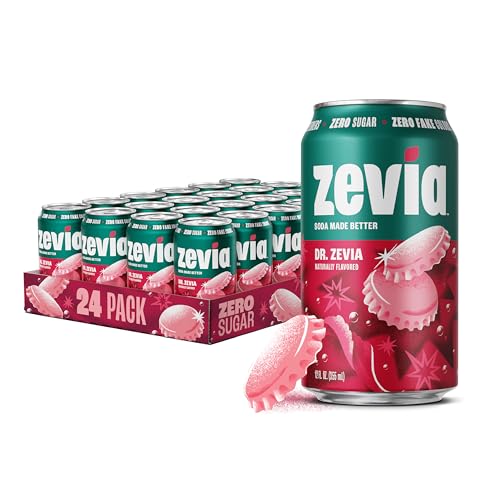
Zevia
Zevia Zero Sugar Soda, Dr. Zevia, 12…
- MEET ZEVIA SODA: The zero sugar soda that's naturally sweetened with stevia, a plant-based sweetener that delivers incredible tast…
- ZERO CALORIES: No empty calories in our naturally-sweetened drinks. In fact, no calories at all.
- BETTER-FOR-YOU SODA: All Zevia zero sugar, zero calorie drinks are Non-GMO Project Verified, gluten-free, vegan, and kosher with z…
You’ll walk away knowing exactly what to cut, what to measure, and when to stop guessing and see a doctor. If you’re looking for a swap that removes the usual suspects, a naturally sweetened option like Zevia Zero Sugar Soda takes out the sugar and artificial sweeteners while keeping the fizz.

The Soda-UTI Question: What the Science Actually Says
Let’s get one thing straight right away. Soda does not cause a urinary tract infection in the way a bacteria like E. coli does. UTIs are infections. They require pathogens to travel up the urethra and colonize the bladder. Soda cannot manufacture bacteria out of thin air.
But that’s not the whole story. What soda does do is create conditions that make it easier for bacteria to thrive and harder for your body to fight them off. It also produces symptoms that feel identical to an infection. The question isn’t really whether soda causes UTIs. It’s whether soda increases your risk and whether it’s making you miserable with symptoms that look like one.
Research points to yes on both counts. A 2026 study in the Journal of Urology found that women who consumed high amounts of sugary sodas had a significantly higher risk of recurrent UTIs compared to those who drank less. The mechanism isn’t magic. It’s biology, and it breaks down into three distinct pathways: sugar, caffeine, and acidity.
UTI vs. Bladder Irritation: Why the Distinction Matters
This is the most important distinction you’ll learn today. Treating bladder irritation with antibiotics does nothing. It wastes time, contributes to antibiotic resistance, and leaves you still feeling awful. Treating a real infection with water and time can lead to a kidney infection that lands you in the hospital.
So how do you tell them apart? The symptoms overlap, but there are telltale differences. A true bacterial UTI usually comes with systemic signs your bladder irritation won’t produce.
Symptom Comparison: Infection vs. Irritation
| Symptom | Bacterial UTI | Soda-Induced Bladder Irritation |
|---|---|---|
| Burning during urination | Common, often intense | Possible, usually milder |
| Frequent urination | Yes, but with small volumes | Yes, often with normal or large volumes |
| Fever or chills | Can occur with upper tract involvement | Never |
| Flank or back pain | Possible, signals kidney involvement | Rarely; usually just lower pelvic pressure |
| Cloudy or foul-smelling urine | Common | Rare; urine usually clear |
| Blood in urine | Possible | Very rare; seek medical attention if present |
| Onset after drinking soda | Unrelated timing | Often within 30-60 minutes |
If you have a fever, chills, or blood in your urine, stop reading and call your doctor. That’s an infection until proven otherwise. If it’s just burning and frequency with no fever, and you drank a 20-ounce soda an hour ago, you might be dealing with irritation.
The Three Mechanisms: Sugar, Caffeine, and Acidity
Each ingredient in a typical soda attacks your urinary tract through a different route. Understanding each one helps you see why the whole drink is problematic, not just one component.
How Sugar Feeds Bacterial Growth
Regular soda packs anywhere from 39 to 65 grams of sugar per 12-ounce serving. That’s roughly 10 to 16 teaspoons. When you drink that, your blood sugar spikes. Your body tries to flush the excess glucose out through your kidneys, which means sugar ends up in your urine.
Bacteria, especially E. coli, love sugar. They use it as fuel to multiply and to produce biofilms that cling to the bladder wall. High urine glucose also alters the pH slightly, making it more hospitable for bacterial adhesion. It’s not that the sugar itself causes the infection. It’s that you’re rolling out a welcome mat and putting out a buffet at the same time.
Caffeine’s Diuretic Effect on Urinary Defenses
Caffeine is a mild diuretic. It blocks the reabsorption of sodium in the kidneys, which pulls more water into your urine. You pee more often, and you lose more fluid than you take in. The result is a subtle, chronic dehydration if you’re not compensating with water.
Your bladder has a natural defense mechanism. It flushes out bacteria every time you urinate. Concentrated urine, which happens when you’re dehydrated, is less effective at this. It also holds onto irritants longer. A 2026 review in the Journal of Wound, Ostomy and Continence Nursing noted that caffeine intake is a well-recognized bladder irritant that can worsen urgency and frequency, even in healthy people.
Acidic pH and Bladder Lining Inflammation
Most sodas have a pH between 2.5 and 3.5. That’s highly acidic. Your bladder lining has a protective layer of glycosaminoglycans (GAGs) that shields the underlying tissue from urine’s natural acidity. But that layer has limits.
When you repeatedly expose it to highly acidic liquids, the GAG layer thins and breaks down. The acid then reaches the nerve endings underneath, causing inflammation and pain. This is the same mechanism behind interstitial cystitis flare-ups. You don’t need an infection to feel burning. You just need an angry, inflamed bladder wall.
Diet Soda vs. Regular Soda: Which Is Worse?
You might think switching to diet soda solves the problem. Not so fast. Diet soda removes the sugar, but it keeps the caffeine and the acidity. And it adds a new variable: artificial sweeteners.
Aspartame and sucralose, the two most common sweeteners in diet sodas, have been shown to alter the gut microbiome. A 2026 study in Nature found that artificial sweeteners can induce glucose intolerance in mice and some humans by changing the composition of gut bacteria. The gut and urinary tract are connected through the microbiome. What disrupts one can easily affect the other.
More directly, some people report that diet sodas trigger their bladder symptoms even more than regular ones. The carbonation and acidity remain, and the artificial sweeteners add a chemical load that some bladders simply don’t tolerate. There’s no clear winner here. Both are problematic, just through slightly different mechanisms.
The “Too Much” Threshold: Defining Your Personal Limit
There’s no universal number that flips you from safe to at-risk. It depends on your bladder sensitivity, your baseline hydration, and whether you have other risk factors like a history of recurrent UTIs or being post-menopausal.
That said, clinical experience points to a rough guideline. One 12-ounce soda occasionally, with adequate water intake, is unlikely to cause problems for most healthy people. Two or more per day, especially if you’re not drinking enough water, pushes you into the danger zone. The key isn’t just how much soda you drink. It’s the ratio of soda to water.
If you’re drinking 48 ounces of soda a day and 16 ounces of water, you’re in trouble. Your urine will be concentrated, acidic, and loaded with sugar. If you’re drinking one soda and 64 ounces of water, the risk drops considerably.
The 3-Day Soda Elimination Test: A Practical Protocol
You don’t need a lab test to figure out if soda is bothering your bladder. You need a simple elimination trial. Here’s how to do it properly.
- Day 0: Log your symptoms for 24 hours. Note how often you urinate, any burning, and what you drank. This is your baseline.
- Day 1-3: Cut all soda completely. No regular, no diet, no sparkling water with artificial sweeteners. Replace it with plain water and unsweetened herbal tea. Aim for at least 80 ounces of water per day.
- Day 4: Reintroduce one 12-ounce soda. Drink it on an empty bladder. Wait 60 minutes and note any symptoms.
- Day 5: If you had symptoms, you have your answer. If not, try one more soda the next day to confirm.
This test isn’t perfect. It won’t tell you if you have a bacterial infection. But it will tell you if soda is a trigger for your symptoms. If your burning and frequency disappear by day three and return after the soda, you’ve identified your culprit.
Hydration Math: How Much Water Actually Protects You
Everyone says drink more water, but nobody tells you how much. Here’s a practical formula. Take your body weight in pounds and divide it by two. That’s your target in ounces of water per day. A 150-pound person needs 75 ounces. A 200-pound person needs 100 ounces.
This is a baseline for normal activity. If you exercise, sweat heavily, or live in a hot climate, add 16-24 ounces. While you’re doing the soda elimination test, this is the number you should hit.
Adequate hydration dilutes your urine, reduces its acidity, and keeps the bladder flushing regularly. One study in the Annals of Internal Medicine found that women who increased their water intake by 1.5 liters per day had a 48% reduction in recurrent UTIs. That’s a bigger effect than many preventive antibiotics.
Action Plan for Recurrent UTI Sufferers
If you’re dealing with recurrent infections, soda should be at the top of your elimination list. But you also need to look at the bigger picture.
- Cut soda entirely for at least 30 days to reset your bladder lining.
- Focus on water as your primary beverage. Use the weight-based formula above.
- If you’re post-menopausal, talk to your doctor about vaginal estrogen. It restores the protective lactobacilli in the urinary tract that decline with estrogen loss.
- Don’t hold your urine. Urinate when you feel the urge, and always empty fully.
- Wipe front to back, urinate after intercourse, and avoid harsh soaps or douches.
- Consider cranberry juice, but only the unsweetened kind. The sugar in cocktail versions negates any benefit. If you’re at risk for kidney stones, skip cranberry and talk to your doctor.
If you’re also dealing with other bladder irritants, check this guide on coffee and UTI antibiotics to understand how caffeine interacts with treatment.
The Bottom Line: A Straight Answer You Can Use Today
Can drinking too much soda cause a UTI? No, not in the strict sense of causing the bacterial infection. But it absolutely can increase your risk of developing one, and it can create symptoms that feel exactly like one. The distinction matters because the treatment is completely different.
If you have a fever, chills, or blood in your urine, see a doctor. If you just have burning and frequency after a soda binge, try the 3-day elimination test. You might save yourself an unnecessary antibiotic prescription and discover that your bladder was just screaming for hydration.
- Switch to a zero-sugar, zero-artificial-sweetener option like Zevia soda if you can’t quit the fizz entirely.
- Track your soda-to-water ratio. Aim for at least 2 ounces of water for every ounce of soda.
- Do the 3-day elimination test to identify your personal trigger threshold.
- Use the weight-based hydration formula: half your body weight in ounces of water daily.
- Never ignore fever, chills, or blood in urine. Those are infection signs.
- If you have recurrent UTIs, consider a 30-day soda-free reset.
- For more on hydration and juice-related bladder effects, see this piece on orange juice and bladder health.


