You opened your aloe vera juice and found it thick, chunky, or separated. The liquid sits at the bottom, and a gel-like mass floats on top. This is the most common sign your aloe vera juice has begun to degrade.
The primary cause is simple: time and air. Aloe vera juice contains compounds that oxidize when exposed to air. Bacterial growth is a secondary possibility, especially if the bottle has been open for months. Separation and thickening often look similar but have different fixes.
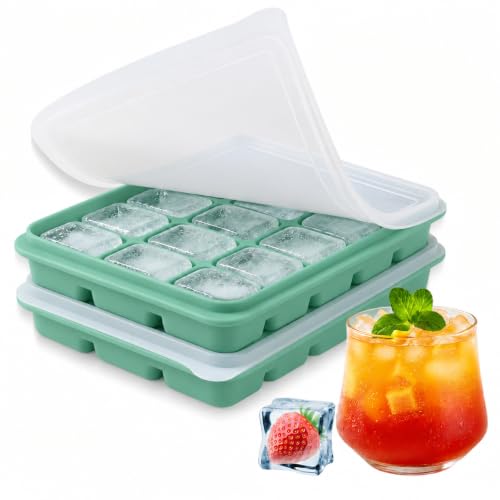
Larlary
2 Pack Silicone Ice Cube Tray for…
- Food-Grade & BPA-Free Silicone: Ice tray is safe for direct contact with drinks,snacks and more. Durable, temperature-resistant fr…
- Easy Release & Non-Stick Design: Just twist or push from the bottom of silicone freezer molds. No more struggling with stiff plast…
- Secure Removable Lid for Freshness: Each silicone ice cube trays with lid which can be removed to seal out freezer odors and lock…

What You’re Seeing: Separation vs. Spoilage
Shake the bottle hard. If everything mixes back into a uniform, pourable liquid, you’re dealing with normal separation. Aloe gel naturally separates from water and other ingredients over time. If it smells clean and fresh, it’s safe.
If it smells sour, fermented, or just “off,” discard it. Mold (even small spots) means it’s spoiled. A thick, slimy texture that doesn’t thin out after shaking is another red flag. When in doubt, throw it out.
Why Fresh Aloe Vera Looks Different
Store-bought juice often contains preservatives and stabilizers. Pure, homemade aloe vera juice behaves differently. It separates much faster and has a shorter shelf life in the fridge. Freezing becomes a more urgent need with fresh juice.
Commercial juices might last weeks open in the fridge. Your homemade batch might only last 3-5 days. This difference drives the need for a long-term storage solution.
Freezing Aloe Vera Juice: The Short Answer
Yes, you can freeze aloe vera juice. Freezing halts the degradation process completely. It preserves the juice’s consistency and prevents the separation and thickening you’re observing. This is the most effective method for long-term storage.
The texture might change slightly upon thawing. It can become a bit more viscous or separate again. A quick shake or stir usually solves this. The core properties remain intact when frozen correctly.
How to Freeze Aloe Vera Juice Properly
You need containers that prevent freezer burn and allow for easy portioning. This is where the right tools make a big difference. Using a generic ice cube tray can lead to spills and difficulty removing the frozen juice.
A dedicated silicone tray with a lid solves these problems. Consider a set like the Larlary 2 Pack Silicone Ice Cube Trays. The food-grade silicone is flexible, so you can pop out frozen aloe cubes without cracking them. The included lids prevent the juice from absorbing freezer odors.
Step-by-Step Freezing Process
1. Portion the Juice: Pour your aloe vera juice into the ice cube tray compartments. Leave about a quarter-inch of space at the top. The liquid expands as it freezes.
2. Seal for Freshness: Place the lid securely on the tray. This step is crucial. It protects the juice from the strong smells of other frozen foods.
3. Freeze Solid: Put the tray on a flat surface in your freezer. Let it freeze completely for at least 4-6 hours, or overnight.
4. Transfer for Long-Term Storage: Once frozen solid, twist the tray to release the cubes. Move the aloe cubes into a labeled freezer bag or airtight container. This saves freezer space and lets you reuse the tray.
How to Thaw Frozen Aloe Vera Juice
Move the desired number of cubes from the freezer to the fridge. Let them thaw overnight. This slow thaw helps maintain the best texture.
Need it faster? Place the frozen cubes in a sealed bag and run cold water over them. You can also let them sit in a bowl on the counter for an hour or two. Avoid using a microwave, as it can heat the juice unevenly and damage some compounds.
Fresh Juice vs. Store-Bought: Freezing Considerations
Both types freeze well, but their shelf lives post-thaw differ. Store-bought juice with preservatives can last in the fridge for a few days after thawing. Fresh, preservative-free juice should be used within 1-2 days once thawed.
The ice cube method works perfectly for both. One frozen aloe cube equals roughly one ounce of juice. This makes it easy to grab exactly what you need for a smoothie or drink.
| Storage Method | Duration | Best For |
|---|---|---|
| Refrigerator (unopened) | Until printed expiration date | Immediate use |
| Refrigerator (opened) | 3-7 days (varies) | Daily use in small amounts |
| Freezer (ice cube tray) | 6-12 months | Long-term storage & portion control |
Uses for Your Frozen Aloe Vera Cubes
Thaw a cube and add it to your morning water or smoothie. It’s a convenient way to maintain a daily routine. The portioned cubes prevent you from thawing more than you’ll use.
You can also blend a frozen cube directly into a fruit smoothie. It acts as a chilled base. For a skin-soothing compress, thaw a cube and soak a cloth in the liquid.
What Happens If You Don’t Freeze It?
Without freezing, opened aloe vera juice will degrade. You’ll see more separation, thickening, and potential off-flavors. Refrigeration only slows this process. It does not stop it.
If you notice a vinegar-like smell or any mold, the juice has spoiled. Consuming spoiled juice can cause stomach upset. Freezing after purchase avoids this problem entirely.
Frequently Asked Questions
Does freezing aloe vera juice destroy its nutrients?
Freezing causes minimal nutrient loss. The process preserves most vitamins and minerals. It’s far better than letting the juice spoil in the fridge.
Can I freeze aloe vera gel straight from the plant?
Absolutely. Blend the clear gel with a little water to create a juice consistency. Then freeze it using the same ice cube tray method.
How long can I keep frozen aloe vera juice?
For best quality, use it within 6 months. It remains safe to use for up to a year, but texture and flavor may slowly decline.
My thawed juice is chunky. Is that normal?
Yes, some thickening can occur. A vigorous shake or a quick blend will usually smooth it out again.
Is there a difference between freezing juice and gel?
The process is identical. Pure gel may freeze into a firmer, more solid cube than diluted juice. Thawing takes a bit longer.
For more on preserving other liquids, see our guides on freezing lemon juice and apple juice. Proper freezing technique applies across many fresh juices.
Can I add other ingredients before freezing?
You can mix in a small amount of water or lemon juice. Avoid adding dairy or high-sugar ingredients, as their texture changes when frozen and thawed.


