
Can Milkshake Give You Diarrhea? What the Science Says (and What to Do About It)
You finish a thick strawberry milkshake, and twenty minutes later your stomach is churning. The bathroom becomes your office for the next hour. If this sounds familiar, you’re not alone. A lot of people connect milkshakes with diarrhea, but the reasons are more varied than most assume.
By the time you finish this article, you’ll know exactly what causes the reaction, which types of shakes are safest, and how to troubleshoot your own symptoms. I’ll also point you to one option that sidesteps most of the common triggers.
Slate
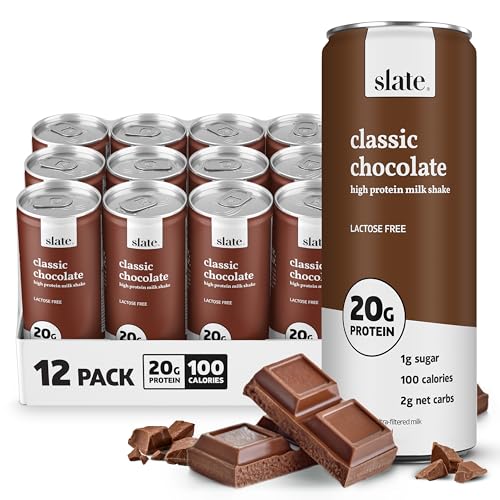
Slate Milk High Protein Milk Shake (Classic…
Strength Starts Here - Milk Chocolatey Greatness. Handcrafted to taste like your favorite milk chocolate treats, our flagship Classic Chocolate Shake is the original Slate. Lactose free with 20g protein, 1g sugar, 2g net carbs, and essential vitamins and electrolytes.
See on AmazonOne product that solves multiple problems at once is Slate Milk High Protein Milk Shake (Classic Chocolate). It’s lactose-free, has just 1g of sugar, and packs 20g of protein — so it lacks the two biggest diarrhea catalysts found in standard milkshakes. Not everyone needs a pre-made shake, but if your gut is sensitive, it’s worth a look.
Myth #1: “It’s Always Lactose Intolerance”
Lactose intolerance is the first thing people blame. And sure, about 65% of the global adult population has some degree of it. But here’s the thing: a milkshake contains way more than just milk.
Typical fast-food shakes mix soft-serve ice cream, whole milk, syrups, and stabilizers. A 16-ounce chocolate shake from a popular chain can have 60–90 grams of sugar. That much sugar pulls water into your intestines through osmosis. The result? Loose, urgent stools — even if you digest lactose perfectly fine.
So before you swear off dairy, try a shake made with real fruit, unsweetened milk, and no added sugar. If your gut settles, sugar was the problem, not lactose.
Myth #2: “Sugar-Free Shakes Are Safe”
Artificial sweeteners like sorbitol, xylitol, and maltitol are common in “low-sugar” or “protein” milkshakes. These sugar alcohols are poorly absorbed in the small intestine. Bacteria in your colon ferment them, producing gas and drawing water into the bowel.
For some people, even 5–10 grams of sorbitol can trigger diarrhea. A sugar-free shake might list “0g sugar” but contain 15g of maltitol. That’s a recipe for cramps and loose stools.
The lesson: read the label, not just the front of the carton. If you see an ingredient ending in “-ol” and you’re prone to digestive issues, proceed carefully. Or pick a product like Slate Milk, which sweetens with stevia and monk fruit — compounds that don’t cause the same osmotic effect.
Fat Overload: The Silent Trigger
Milkshakes are often made with full-fat ice cream, whole milk, and sometimes even whipped cream or added oils. A single shake can pack 30–50 grams of fat. High fat intake speeds up colonic motility in some people — especially those with irritable bowel syndrome (IBS) or a history of gallbladder issues.
Fat doesn’t get fully absorbed in the small intestine when you eat too much too fast. Undigested fat reaches the colon, where it stimulates secretion of water and electrolytes. That’s a direct path to diarrhea.
If your reaction kicks in within 30 minutes of drinking a rich shake, fat is a strong suspect. Switching to a lower-fat option, or even a protein shake made with skim milk or a plant base, might fix the problem.
Comparing Milkshake Types by Diarrhea Risk
| Type of Milkshake | Common Triggers | Diarrhea Risk Level | Best for Sensitive Guts? |
|---|---|---|---|
| Fast-food regular shake | Lactose, high sugar (60–90g), high fat, stabilizers | High | No |
| Homemade with whole milk & ice cream | Lactose, fat (30–50g), optional sugar | Moderate–High | Only if you use lactose-free dairy and limit fat |
| Lactose-free milkshake | May still contain sugar alcohols or high fat | Moderate | Check sweetener label; okay if low sugar & low fat |
| Plant-based shake (almond, oat, soy) | Additives like carrageenan, gums, or high sugar | Low–Moderate | Yes, choose unsweetened & minimal additives |
| Protein shake / meal replacement (like Slate) | Usually low sugar, no lactose, low fat | Low | Yes — designed for gut-friendly absorption |
Frequently Asked Questions
Can a milkshake give you diarrhea if you’re not lactose intolerant?
Yes. High sugar content, artificial sweeteners, or excessive fat can cause diarrhea even in people with normal lactase activity. Osmotic diarrhea from sugar is especially common.
How soon after drinking a milkshake would diarrhea start?
Usually within 30 minutes to 2 hours. Sugar and fat trigger rapid colonic response. Lactose-related symptoms tend to appear 30 minutes to 2 hours after consumption as well.
Are milkshakes from restaurants more likely to cause diarrhea than homemade ones?
Generally yes. Restaurant shakes often contain more sugar, more fat, and hidden stabilizers like guar gum or carrageenan. You control the ingredients at home.
Can a milkshake make you sick with stomach flu-like symptoms?
If the shake was stored improperly or made with spoiled dairy, food poisoning is possible. But most cases are just digestive intolerance, not infection. Vomiting plus diarrhea points to contamination.
What’s the safest milkshake for people with IBS or a sensitive stomach?
A low-sugar, low-fat, lactose-free option. Unsweetened almond milk blended with half a frozen banana and a scoop of low-FODMAP protein powder works. Or try a pre-made product like Slate Milk that checks all three boxes.
What to Do If Milkshakes Give You Diarrhea
- Start a food diary. Note the shake’s ingredients and your symptoms within 2 hours. Repeat tests help you pinpoint the culprit.
- Try a lactose-free or plant-based shake first. If symptoms disappear, lactose was the problem.
- Check the sugar content. If a shake has over 30g of added sugar, dilute it or split it in half.
- Avoid sugar alcohols ending in -ol (sorbitol, maltitol, xylitol). Even “sugar-free” labels hide them.
- Choose shakes with under 10g of fat unless you know you tolerate fat well.
- If you’re on a high-protein plan, look for a product like Slate Milk that uses ultrafiltration to remove lactose and keeps sugar at 1g per serving.
- When in doubt, make your own. You control every variable, and the risk drops dramatically.

