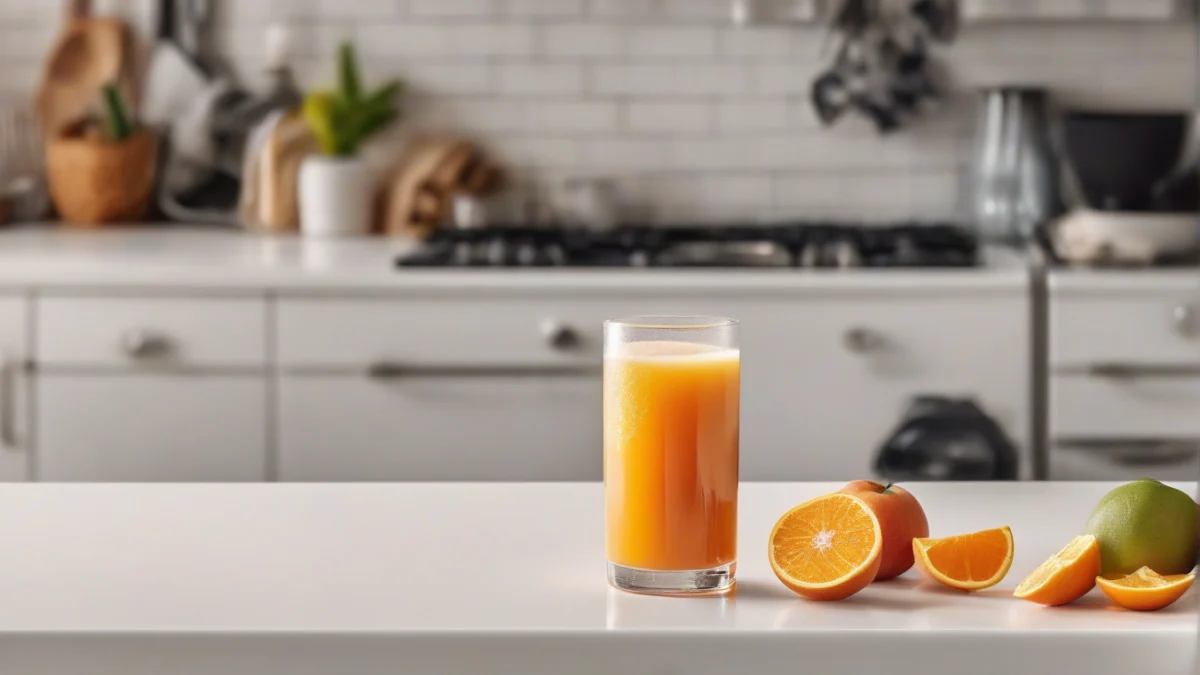
Juice typically lasts 7 to 10 days in the fridge once opened and up to 6 months unopened if kept cold. Proper refrigeration at or below 40°F (4°C) slows spoilage. Signs like off smell, fizzing, or mold mean it’s time to discard.
Juice is a popular drink but can spoil if not stored properly. Understanding how long juice lasts once opened or unopened helps you avoid drinking spoiled juice and potential stomach upset.
Proper storage, including refrigeration and freezing, extends juice’s shelf life. Some types, like fresh or unpasteurized juice, keep for less time and require extra caution for certain groups.
Key takeaways
Opened juice keeps about 7 to 10 days refrigerated at 40°F (4°C) or below.
Unopened juice lasts up to 6 months in the fridge or longer in the freezer.
Signs juice has gone bad include sour smell, fizzing in still juice, mold, bulging lids, or sour taste.
Freeze juice in airtight containers to extend life up to 8 to 12 months; thaw in the fridge before drinking.
Avoid unpasteurized juice if pregnant, very young, elderly, or immunocompromised due to bacterial risk.
Can Juice Go Bad? How Long Does It Last Opened or Unopened
Yes, juice can go bad. Once opened, most juices last about 7 to 10 days in the fridge at or below 40°F (4°C). Unopened juice can stay fresh for up to 6 months refrigerated or even longer if frozen.
Freshly opened juice lasts about 7 to 10 days refrigerated at 40°F or below.
Keeping juice cold slows bacterial growth and spoilage. Room temperature or warm storage speeds it up, so refrigeration matters. Even unopened juice eventually spoils due to natural breakdown and microbial growth over time.
Drinking moldy juice or spoiled juice can cause stomach discomfort and, rarely, more serious illness, so it’s best to avoid it. Signs juice has gone bad include a sour or off smell, visible mold, a fizzy or bubbly texture, or an unusual color.
Storage Condition
Typical Shelf Life
Opened, refrigerated at 40°F (4°C) or below
7–10 days
Unopened, refrigerated
Up to 6 months
Unopened, frozen
6 months or more
Typical juice shelf life by storage condition.
Before Drinking Juice, Check
Smell for sour or off odors
Look for mold or unusual cloudiness
Notice any fizz or bubbles indicating fermentation
Check the expiration or best-by date
Safety Warning
If you see mold or smell off odors, do not taste the juice. Throw it out immediately to avoid digestive upset or infection.
Worked Example
Say you open a 12 oz bottle of apple juice and keep it in the fridge at 38°F. You drink some each day. By day 8, the juice starts tasting off and smells sour. This means spoilage is underway, so it’s time to discard the remaining juice to be safe.
Opened juice fridge life7–10 days
Temperature38°F
How to Freeze and Thaw Juice Safely
Yes, juice can go bad even when frozen. Freezing slows spoilage but doesn’t stop it completely. You can freeze juice safely in airtight containers for 8 to 12 months depending on the type of juice.
Leave space at the top of the container because juice expands as it freezes. This prevents the container from cracking or leaking.
Thaw juice in the refrigerator rather than at room temperature. This keeps it cold and slows bacterial growth during thawing.
Once thawed, consume the juice within 24 to 48 hours. Avoid refreezing thawed juice, as this increases spoilage risk and can degrade flavor.
1
Prepare for Freezing
Pour juice into a clean, airtight container, leaving about 1 inch of headspace for expansion.
2
Freeze
Place the container in the freezer set at 0°F (-18°C) or below. Keep juice frozen for up to 8–12 months.
3
Thaw Slowly
Move the container to the fridge and thaw over 24 hours to keep it cold.
4
Consume Quickly
Drink thawed juice within 1 to 2 days and discard any leftovers.
Freezing and Thawing Tips
Use airtight, freezer-safe containers or heavy-duty freezer bags
Label containers with date and juice type
Avoid thawing juice on the counter or in warm water
Do not refreeze juice after thawing
Preserving Flavor
Some juices may separate or lose flavor after freezing. Shake or stir well before drinking.
For example, coconut drink can spoil if left thawed too long because natural sugars and fats support bacterial growth once it’s no longer frozen. Freezing helps preserve it but follow thawing guidelines carefully.
Freezing is a good way to extend juice shelf life, especially if you buy or make juice in bulk. Just keep in mind it’s not a permanent solution, and safe thawing matters.
Storage Containers for Juice
Choose airtight bottles or freezer-safe containers to keep juice fresh longer.
Pre-portioned and sealed
Ocean Spray Apple Juice 7.2 fl oz Can
This small, sealed can locks out air and light, helping keep juice fresh up to the stated shelf life. Its single-serving size means you only open what you need, reducing waste.
Why Fresh, Unpasteurized, and Cold-Pressed Juice Spoils Faster and Who Should Avoid It
Fresh, unpasteurized, and cold-pressed juices spoil faster because they lack heat treatment. Pasteurization heats juice to kill bacteria and yeast, extending shelf life. Without it, microbes continue growing, causing spoilage and fermentation, often within 1 to 3 days refrigerated.
Drinking fermented juice is generally not recommended. While fermentation creates some beneficial beverages, unintended fermentation in juice means bacterial or yeast overgrowth, which can lead to off flavors and potential stomach upset.
Muscadine juice is sometimes made by controlled fermentation to produce wine or vinegar. To safely enjoy muscadine juice as a fresh drink, keep it cold and consume within a couple of days or choose pasteurized products.
People who are pregnant, very young, older adults, or have weakened immune systems should avoid unpasteurized juice. Their bodies are less able to fight potential pathogens present in raw juice.
Pasteurized juices are safer for these groups because pasteurization reduces harmful microbes. Most commercially sold juices are pasteurized for this reason.
Safety Warning
If you notice off smells, fizzing, or cloudiness in fresh juice, discard it promptly to avoid risk of foodborne illness.
Who Should Avoid Unpasteurized Juice
Pregnant women
Children under 5
Older adults
People with weakened immune systems
From JuicerAdvices · our own guideHow long does it keep? Page 7 is the storage and shelf-life chart for every juice.Home Juicing Starter KitMake fresh juice that tastes good, costs less and keeps safely: 40 recipes with exact amounts, a yield chart and a 4-week plan.40 juice, smoothie and shot recipesYield, storage and food-safety chartsCost, yield and shopping-list calculator (Excel)$14.99$9.99Get it for $9.99See what's inside and watch the 2-minute video →18-page printable PDF + Excel calculator · instant download · 30-day refund
How to Tell If Juice Has Gone Bad
You can tell if juice has spoiled by several clear signs. Off or sour smells are an early indicator. Juice that smells fermented, vinegary, or just “off” should not be consumed.
Fizzing or bubbling can indicate that juice has gone bad and should be discarded.
Fizzing or bubbling in juice that is normally still means fermentation or bacterial activity. This gas buildup can cause pressure in the container and spoil the juice’s taste.
Mold on the surface or inside the container is a definite sign to discard the juice. Mold can be white, green, blue, or black and poses a health risk if ingested.
Bulging or leaking lids signal gas production inside the bottle, often from fermentation or bacterial growth. This means the juice is unsafe to drink.
A sour or off taste confirms spoilage even if other signs are subtle. Avoid drinking any juice that tastes strange or unpleasant.
Safety Warning
Drinking moldy or spoiled juice can cause upset stomach, vomiting, or more severe food poisoning symptoms. When in doubt, throw it out.
Signs Juice Has Gone Bad
Off or sour smell
Fizzing or bubbling in still juice
Mold on or inside container
Bulging or leaking lids
Sour or off taste
What to Do Next: Steps to Store Juice Safely and Avoid Waste
You should refrigerate juice right after opening or making it to keep it fresh and safe. Cucumber juice is best consumed within 24 hours of refrigeration because it spoils quickly.
Store juice in airtight containers or bottles to prevent exposure to air, which speeds spoilage. Label the container with the date you opened or made the juice so you can track how long it’s been stored.
Try to consume opened juice within 7 to 10 days if refrigerated. If you have extra juice, freezing it in proper containers extends its life for several months without losing much flavor or nutrients.
Drinking juice and then tea is safe; just wait a few minutes between drinks to enjoy their flavors separately and avoid diluting stomach acid too much, which can affect digestion.
Safe Juice Storage Checklist
Refrigerate juice promptly at or below 40°F (4°C)
Use airtight containers or bottles for storage
Label with the date opened or made
Consume within 7 to 10 days when refrigerated
Freeze excess juice in suitable containers
Discard juice if it smells off, has fizz, or shows mold
Worked example
Say you make 16 oz of cucumber juice on Monday afternoon. You pour it into an airtight bottle, label it with Monday’s date, and refrigerate immediately. You plan to drink it within 24 hours. On Wednesday morning, you find some leftover juice and freeze it in a freezer-safe container to keep it for up to 6 months. You toss any juice that smells sour or looks cloudy before drinking.
Juice refrigeratedwithin 7 to 10 days
Cucumber juicebest within 24 hours
Frozen juiceup to 6 months
Frequently Asked Questions
How long does fresh juice last in the fridge?
Fresh juice usually keeps well for about 2 to 3 days in the fridge. It spoils faster than pasteurized juice because it lacks heat treatment to kill bacteria. Always store it tightly sealed and cold to maximize freshness.
Can I drink juice after the expiration date?
It’s not recommended to drink juice past its expiration date, especially if it’s opened. The date marks when quality and safety might decline. Check for off smells or changes in texture before deciding.
Is it safe to drink juice with bubbles inside the bottle?
Bubbles inside a juice bottle often signal fermentation, which means spoilage. Unless the juice is specifically carbonated, fizzing means bacteria or yeast are active. It’s best to discard any juice that fizzes unexpectedly.
How do I know if juice is fermented or spoiled?
Fermented juice often smells sour or yeasty and may taste off or fizzy. Spoiled juice may also show mold or have a cloudy appearance. These signs mean the juice is unsafe to drink.
Can I freeze store-bought juice?
Yes, you can freeze store-bought juice to extend its life. Leave some space in the container as juice expands when frozen. Thaw it slowly in the fridge and consume within 24 to 48 hours for best quality.
Who should avoid unpasteurized juice?
People with weakened immune systems, pregnant women, young children, and older adults should avoid unpasteurized juice. It can carry harmful bacteria since it hasn’t been heat treated. Choosing pasteurized juice is safer for these groups.
Is it safe to drink moldy juice?
No, you should not drink moldy juice. Mold indicates spoilage and can produce harmful toxins that may cause stomach upset or allergic reactions. If you see mold or fuzzy spots on juice, discard it immediately to avoid any health risks.
How do I make muscadine juice safe to drink?
To make muscadine juice, wash the grapes thoroughly, then crush or blend them and strain the juice. For safety and longer shelf life, pasteurize the juice by heating it to about 160°F (71°C) for 15 seconds before refrigerating. Consume fresh or store properly to avoid spoilage.
When is the best time to drink cucumber juice?
You can drink cucumber juice any time, but many people find it refreshing in the morning or as a hydrating afternoon drink. It is low in acid and gentle on the stomach, making it suitable even for sensitive digestion.
Is fermented juice safe to drink?
Fermented juice is safe to drink if it was prepared properly and stored correctly. It contains beneficial probiotics but can taste sour or fizzy due to natural fermentation. If the juice smells off or has visible mold, do not drink it.
When should I drink Suja juice?
Suja juice can be consumed anytime, but many people drink it as a morning boost or a refreshing snack. Because it is cold-pressed and often contains raw ingredients, keep it refrigerated and consume it by the expiration date for safety.
Can you drink squash juice?
Yes, you can drink squash juice. It is nutritious and hydrating. Make sure it is fresh or properly stored. If homemade, refrigerate and consume within a few days to avoid spoilage.
Before you go · a welcome giftGet the Home Juicing Starter Kit for $4.99Make fresh juice that tastes good, costs less and keeps safely: 40 recipes with exact amounts, a yield chart and a 4-week plan. Normally $14.99; your welcome price saves $10.00. We'll email your link right now.or skip the email and buy it now for $4.99 →One email with your link now. We never share your address.

 Home Juicing Starter KitMake fresh juice that tastes good, costs less and keeps safely: 40 recipes with exact amounts, a yield chart and a 4-week plan.40 juice, smoothie and shot recipesYield, storage and food-safety chartsCost, yield and shopping-list calculator (Excel)