You feel that familiar burning sensation, and you’re already reaching for a bottle of cranberry juice. It’s the most common home remedy for urinary tract infections, passed down through generations. But here’s the uncomfortable truth: that juice probably won’t stop the infection you already have.
This article breaks down the actual science. You’ll learn why cranberry works for prevention in some people, why it fails as a treatment, and what the real risks are. We’ll cover dosage, drug interactions, and the exact moment you need to stop drinking juice and call a doctor.
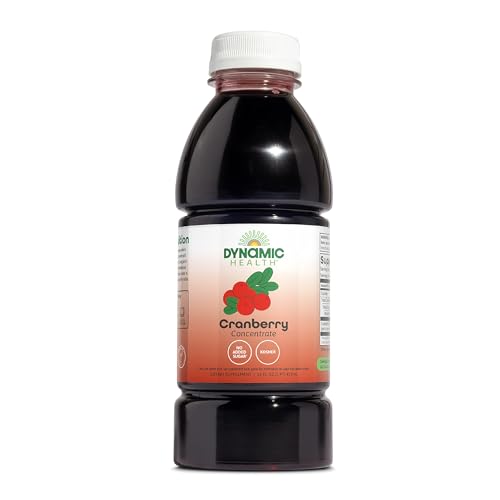
Dynamic Health
DYNAMIC HEALTH 100% Cranberry Juice Concentrate, 16…
- POTENT ANTIOXIDANT. Cranberries contain nutrients like vitamins C and E, plus the added power of the antioxidant quercetin. Antiox…
- COUNT ON CRANBERRY. You’ve probably heard that cranberries are great for urinary tract health. That’s because of proanthocyanidins…
- NO ADDED SUGAR. Our Cranberry Juice Concentrate is made without sweeteners or added sugar. It’s also Vegetarian, Gluten-Free, BPA-…
If you’re set on using cranberry, a product like Dynamic Health 100% Cranberry Juice Concentrate offers a potent, unsweetened option. It packs about 4,000 cranberries per bottle, giving you a concentrated source of the compounds discussed below without the sugar load of typical store juices.

The Short Answer: Can Cranberry Juice Cure a UTI?
No. Cranberry juice cannot cure an active urinary tract infection. It lacks the strength to kill bacteria already colonizing your bladder. If you have symptoms like burning urination, urgency, or cloudy urine, you need antibiotics to clear the infection.
What cranberry can do is help prevent future infections in certain people. That’s a big difference. Prevention means stopping bacteria from attaching to your bladder wall. Treatment means killing bacteria that have already attached and multiplied. Cranberry only addresses the first step.
Think of it like a security guard. A good guard stops people from entering a building. But once a burglar is inside, the guard can’t remove them. You need a different tool for that. Antibiotics are that tool.
Why This Myth Persists (The Science of PACs and E. coli)
The myth survives because there’s real science behind it. Cranberries contain proanthocyanidins, or PACs. These are plant compounds that give the berry its astringent taste. Research shows PACs interfere with the hair-like fibers (fimbriae) on E. coli bacteria, the culprit behind 80-90% of UTIs. Those fibers are how the bacteria latch onto your urinary tract lining. PACs make the surface slippery, so the bacteria get flushed out when you urinate.
This mechanism is well-documented in laboratory studies. But there’s a catch. The effect is temporary and localized. PACs don’t enter your bloodstream and attack bacteria systemically. They only work while passing through the urinary tract. And they only work on certain strains of E. coli. Other bacteria, like Staphylococcus saprophyticus, don’t respond to PACs at all.
The acidification myth also persists. Many people believe cranberry juice makes urine too acidic for bacteria to survive. That’s incorrect. The amount of acid in cranberry juice is nowhere near enough to change urine pH significantly. Your kidneys tightly regulate pH, and even if you drank a gallon of juice, the effect would be negligible. The PAC mechanism is the only scientifically plausible one.
Prevention vs. Treatment: The Crucial Distinction You Need to Know
This distinction matters more than any other piece of information in this article. Using cranberry for prevention is a reasonable, evidence-backed strategy for some women. Using it for treatment is a dangerous delay.
Clinical trials show a modest benefit for prevention. A 2026 Cochrane review analyzed 24 studies with over 4,400 participants. It found that cranberry products reduced the risk of recurrent UTIs in women by about 26%. That’s meaningful for women who get 2-3 infections per year. But for elderly people, pregnant women, or people with neurogenic bladders, the evidence is weak or nonexistent.
The timing matters. For prevention, you need consistent daily intake. The PACs only work while they’re present in your urinary tract. Skip a few days, and the protection fades. For treatment, even massive doses of cranberry won’t eradicate an established infection. The bacteria have already formed a biofilm on the bladder wall, which PACs cannot penetrate.
So here’s the practical rule: if you’re prone to UTIs and want to reduce recurrence, daily cranberry might help. If you’re already symptomatic, skip the juice and get to a clinic.
Why Your Store-Bought Juice Probably Isn’t Strong Enough (Dosage & PACs)
Here’s where most people go wrong. The clinical trials that showed benefit used specific doses of PACs. The effective dose appears to be around 36 mg of PACs per day. That’s roughly equivalent to 8 ounces of 27% cranberry juice cocktail, or about 1.5 ounces of pure juice.
But most commercial cranberry juices contain only 20-30% real cranberry juice. The rest is water and sugar. A standard 8-ounce glass of cocktail might deliver only 10-15 mg of PACs. That’s below the therapeutic threshold. You’d need to drink 16-24 ounces daily to get the effective dose, which brings you to another problem: sugar.
A 16-ounce serving of cranberry cocktail contains about 45 grams of sugar. That’s more than a can of soda. High sugar intake can actually worsen inflammation and feed bacteria. It also adds empty calories. Drinking enough cocktail to reach therapeutic PAC levels is counterproductive.
This is why concentrated products make more sense. A pure cranberry juice concentrate delivers the PACs without the sugar. You mix an ounce or two into water, which gives you the effective dose in a single serving. Check the label for PAC content if possible; some brands list it. If they don’t, look for 100% juice with no added sugar.
The Hidden Risks: Drug Interactions, Kidney Stones, and Sugar
Cranberry isn’t harmless. It has real risks that rarely get discussed in wellness blogs.
Warfarin interaction. This is the most serious one. Cranberry can increase the blood-thinning effect of warfarin (Coumadin). That raises your risk of dangerous bleeding. The FDA has issued warnings about this combination. If you take warfarin, do not consume cranberry products in any form without talking to your doctor first.
Kidney stones. Cranberries are high in oxalates. These compounds can bind with calcium in your urine and form calcium oxalate stones, the most common type. If you have a history of kidney stones, cranberry juice is a bad idea. One study found that daily cranberry consumption increased oxalate levels in urine by 43%. That’s a significant jump.
Sugar overload. As mentioned, commercial cocktails are sugar bombs. This matters for diabetics and anyone watching their weight. Even ‘light’ versions often contain artificial sweeteners, which have their own issues. Always read the label.
Stomach upset. High doses of cranberry can cause nausea, diarrhea, or abdominal cramps. This is more common with concentrates. Start with a small dose to gauge your tolerance.
What Actually Works: Evidence-Based Alternatives (D-Mannose, Antibiotics, Hydration)
Cranberry isn’t the only option. Here’s a comparison of what actually works, ranked by evidence strength.
| Method | Best For | Evidence Level | Key Caveat |
|---|---|---|---|
| Antibiotics (prescribed) | Active infection | Strong | Must complete full course; resistance is a growing problem |
| Cranberry (PACs) | Prevention in women with recurrent UTIs | Moderate | Requires daily dosing; ineffective for treatment |
| D-Mannose | Prevention; mild early symptoms | Moderate | Works on E. coli only; not for other bacteria |
| Hydration | General urinary health | Weak | Helps flush bacteria but doesn’t prevent attachment |
| Probiotics | Prevention (vaginal flora) | Weak to moderate | Strain-specific; not all probiotics work |
D-Mannose deserves special mention. It’s a simple sugar that works similarly to cranberry PACs. It binds to E. coli fimbriae and blocks attachment. Some trials show it’s more effective than cranberry for prevention. A 2026 study in the World Journal of Urology found D-mannose reduced UTI recurrence by 45% over six months, compared to 12% for placebo. It’s worth trying if cranberry doesn’t work for you.
Antibiotics remain the gold standard for active infections. Nitrofurantoin, trimethoprim-sulfamethoxazole, and fosfomycin are common first-line choices. They typically clear symptoms within 24-48 hours. Resistance is rising, so your doctor may need to culture your urine to pick the right one.
Hydration is always good advice. Drinking more water dilutes your urine and increases urination frequency, which helps flush bacteria. But it’s not a preventive strategy on its own. You can’t out-drink a bacterial attachment.
Red Flags: When to See a Doctor Immediately
Some symptoms mean you need medical help now, not tomorrow. Do not wait to see if cranberry juice helps.
- Fever above 101°F (38.3°C) — this suggests the infection has moved to your kidneys.
- Flank pain — pain in your lower back or side, especially on one side, is a classic pyelonephritis sign.
- Nausea or vomiting — systemic symptoms indicate a serious infection.
- Blood in urine — visible blood is not normal and needs evaluation.
- Confusion or disorientation — especially in older adults, this can be a sign of urosepsis.
- Pregnancy — UTIs in pregnancy can cause preterm labor; you need antibiotics regardless of symptoms.
Even without these red flags, if your symptoms don’t improve within 48 hours of starting home care, see a doctor. An untreated UTI can ascend to the kidneys, causing permanent damage or sepsis.
Frequently Asked Questions (FAQs)
Can cranberry pills work better than juice?
Sometimes, but it depends on the product. Cranberry pills are concentrated, so you can get 36 mg of PACs in a single capsule without the sugar. That’s a clear advantage over juice. However, many cheap supplements contain little to no actual PACs. Look for a product that specifies PAC content on the label, not just ‘cranberry extract’. Also, pills may not be absorbed as well as liquid. A 2026 study found that juice delivered PACs to the urine more effectively than capsules, likely due to differences in formulation. If you choose pills, pick a reputable brand that publishes third-party testing.
How much juice do I need to drink daily for prevention?
For pure, unsweetened cranberry juice, you need about 1.5 to 2 ounces per day. That delivers roughly 36 mg of PACs. For 27% juice cocktail, you’d need 8 to 16 ounces daily, but that comes with 25-50 grams of sugar. For a concentrate like cranberry juice concentrate options, follow the label instructions, usually 1-2 tablespoons mixed with water. Consistency matters more than dose. Daily intake for at least 6 months is what the clinical trials used.
Is it safe to drink cranberry juice while taking antibiotics?
Generally yes, but check the specific antibiotic. Cranberry can interfere with some drugs. The warfarin interaction is the most dangerous. For antibiotics, cranberry may reduce absorption of amoxicillin and ciprofloxacin if taken simultaneously. Space them out by 2 hours. Also, cranberry can make urine more acidic, which might reduce the effectiveness of some antibiotics that work better in alkaline urine. It’s safest to ask your pharmacist about your specific prescription.
Can men get UTIs and does cranberry help them?
Men get UTIs, but much less often than women. The male urethra is longer, so bacteria have a harder journey. When men do get UTIs, it’s usually related to an enlarged prostate, kidney stones, or catheter use. Cranberry prevention studies have mostly involved women. The limited evidence in men shows little to no benefit. If you’re a man with UTI symptoms, see a urologist promptly. The underlying cause often needs treatment, not just the infection.
Does drinking cranberry juice help with a bladder infection that’s already started?
No. Once you feel symptoms, the bacteria have already attached and multiplied. Cranberry PACs can’t dislodge established biofilms. Drinking juice at this point is harmless (if it’s unsweetened), but it won’t shorten the infection or reduce symptom severity. You’re delaying effective treatment. A 2026 study in JAMA Internal Medicine found that cranberry did not reduce UTI incidence in nursing home residents, reinforcing that it’s not a therapeutic agent.
What I’d Do Differently Next Time
After reviewing the evidence, here are the practical takeaways I’d apply to my own routine.
- Stop using cranberry juice as a treatment. If you have burning, urgency, or frequency, get a urine test and antibiotics.
- If you’re prone to recurrent UTIs (2+ per year), try a daily 36 mg PAC supplement or 1.5 ounces of pure juice. Give it 6 months before judging effectiveness.
- Choose unsweetened, 100% juice or concentrate. The sugar in cocktail undercuts any benefit and adds empty calories.
- Avoid cranberry entirely if you take warfarin or have a history of calcium oxalate kidney stones. The risks outweigh the modest preventive benefit.
- Consider D-mannose as an alternative. It’s more targeted for E. coli and has fewer side effects.
- Drink plenty of water daily. It’s not a cure, but it supports your urinary tract’s natural flushing mechanism.
- If you have red flag symptoms — fever, flank pain, vomiting — skip home remedies and go to urgent care or the ER.
One more thing: if you’re trying to figure out whether cranberry is worth it for you, check how your body responds. Some women swear by it; others see zero difference. The science says it helps about a quarter of recurrent UTI sufferers. You might be in that group, or you might not. The only way to know is to try it consistently for a few months and track your infection frequency. But never let a home remedy delay necessary medical care.


