You pour a glass of cranberry juice, enjoy the tart kick, and then—hours later—the throbbing starts behind your eye. You wonder if the juice did it. It’s a fair question, and the answer is more complicated than a simple yes or no.
Cranberry juice contains several compounds that can influence blood vessels and nerve pathways. For some people, it’s a trigger. For others, it’s completely harmless. This article breaks down the science, the dose thresholds, and the hidden interactions most migraine advice misses. You’ll walk away knowing exactly how to test your own tolerance without ending up in a dark room.
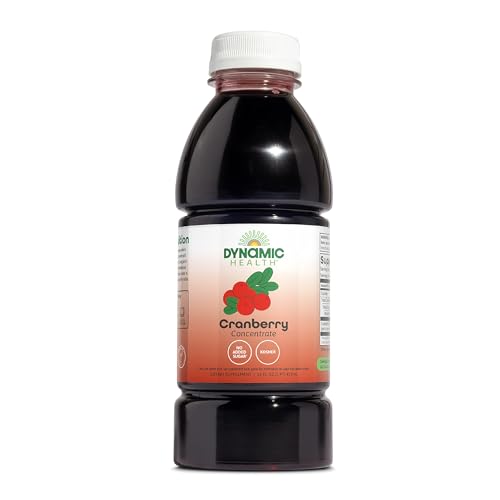
Dynamic Health
DYNAMIC HEALTH 100% Cranberry Juice Concentrate, 16…
- POTENT ANTIOXIDANT. Cranberries contain nutrients like vitamins C and E, plus the added power of the antioxidant quercetin. Antiox…
- COUNT ON CRANBERRY. You’ve probably heard that cranberries are great for urinary tract health. That’s because of proanthocyanidins…
- NO ADDED SUGAR. Our Cranberry Juice Concentrate is made without sweeteners or added sugar. It’s also Vegetarian, Gluten-Free, BPA-…
If you love cranberry juice but worry about reactions, a pure concentrate like Dynamic Health 100% Cranberry Juice Concentrate gives you control over dilution and sweetness. You can mix it strong or weak, and there’s no added sugar to muddy the picture. That makes it easier to isolate whether cranberries themselves are your problem or just the sugary cocktail version.

The Real Link: Why Your Brain Reacts to Cranberry Juice
Migraine triggers aren’t universal. What sends one person into aura might do nothing to their neighbor. But certain chemical families show up again and again in trigger reports, and cranberry juice happens to contain several of them.
The main suspects are salicylates, tannins, and organic acids. Salicylates are natural plant compounds with a chemical structure similar to aspirin. For people with salicylate sensitivity, even small amounts can cause vascular headache symptoms. Tannins, which give cranberry juice its astringent mouthfeel, can also dilate blood vessels in susceptible individuals.
Then there’s the sugar issue. Most commercial cranberry juices are heavily sweetened to balance the fruit’s natural sourness. A sudden glucose spike followed by a crash is a well-known migraine mechanism. Even pure cranberry juice contains natural sugars—about 12 grams per cup—which can be enough to trigger a reactive hypoglycemia headache in someone who’s prone.
The Science of Triggers: Vasodilation and Chemical Sensitivity
Migraine pain starts when blood vessels in the brain expand and press on surrounding nerves. This vasodilation is influenced by chemicals in your bloodstream. Salicylates and tannins can prompt that expansion directly. They can also promote neuroinflammation, which lowers your threshold for the next trigger.
Histamine plays a role too. Some foods cause the body to release histamine, which contributes to inflammation and pain signaling. Cranberry juice isn’t a high-histamine food, but it can act as a histamine liberator in people with mast cell sensitivity. That’s rare, but worth knowing if you react to many different foods.
The Role of Salicylates and Tannins
Cranberries are one of the highest-salicylate fruits around. A 100-gram serving contains roughly 0.7 to 1.5 milligrams of salicylates. Most people process these fine, but those with salicylate intolerance can develop headaches, hives, or digestive upset at much lower doses.
Tannins are another story. They’re concentrated in the skin of the berry, which is why whole-cranberry juice has more tannins than filtered juice. Tannins can cross the blood-brain barrier and affect nitric oxide signaling, a pathway directly involved in migraine initiation.
If you’ve ever reacted to red wine, which is also high in tannins, you might react to cranberry juice as well. The mechanism is similar—vasodilation driven by phenolic compounds.
The Sugar and Artificial Sweetener Trap
Here’s where the dose really matters. A glass of cranberry juice cocktail can pack 30 grams of sugar or more. That’s a massive glucose load, especially on an empty stomach. Your blood sugar spikes, insulin surges, and then glucose plummets a few hours later. That crash is a classic migraine trigger, often hitting just as you’re trying to focus at work.
Diet versions aren’t necessarily safer. Aspartame, the most common artificial sweetener in low-calorie cranberry drinks, has been linked to migraine attacks in some studies. If you’re sensitive to aspartame, a ‘light’ cranberry juice could be worse than the full-sugar version.
How Much is Too Much? The Dosage Threshold
This is the question competitors ignore. The amount of cranberry juice needed to trigger a migraine varies wildly from person to person. Some people can handle a splash in a smoothie. Others get a headache from a single 8-ounce glass.
For salicylate-sensitive individuals, the threshold is often below 50 milligrams of salicylates. That’s roughly equivalent to 1.5 cups of pure cranberry juice. But if you’re drinking a cocktail diluted with water and sugar, you might need three or four cups to reach the same level.
Concentration matters too. Pure, unsweetened juice has more active compounds per ounce than a 27% juice cocktail. The difference between pure juice and cocktail is huge for migraine sufferers. The cocktail’s extra sugar can trigger a crash, while the pure juice’s higher salicylate load can trigger vasodilation.
Start low. If you’re testing your tolerance, begin with two ounces of pure juice diluted in water. Wait 24 hours. If no headache appears, try four ounces the next day. That’s how you find your personal threshold without spending a day in bed.
The Hidden Danger: Cranberry Juice and Your Medications
Cranberry juice interacts with more than just your blood vessels. It can change how your body metabolizes certain drugs, including some migraine treatments.
Triptans, like sumatriptan and rizatriptan, are broken down by the CYP3A4 enzyme in the liver. Cranberry juice can inhibit this enzyme, meaning the drug stays in your system longer than intended. That might sound like a good thing, but it increases the risk of side effects like dizziness, flushing, and chest tightness.
NSAIDs, such as ibuprofen or naproxen, are common over-the-counter migraine relief. Cranberry juice can increase the absorption of these drugs, raising the risk of stomach bleeding, especially if you take them regularly.
Blood thinners are the most serious interaction. Warfarin (Coumadin) and cranberry juice can combine to dangerously increase bleeding risk. The FDA has issued warnings about this exact combination. If you’re on any blood thinner, skip cranberry juice entirely.
Always check with your pharmacist before adding cranberry juice to your routine, especially if you take daily migraine preventive medications.
The ‘Cocktail Effect’: Why It’s Never Just the Juice
Rarely does anyone drink plain cranberry juice. It’s usually part of a mixed drink—a Cosmopolitan, a Cape Codder, or a juice blend at brunch. That’s where the ‘cocktail effect’ comes in.
Alcohol is a vasodilator on its own. Combine it with cranberry juice’s salicylates, and you’ve got a double whammy. Add a wedge of aged cheese or a square of dark chocolate (both high in tyramine) and you’ve stacked three known triggers in one sitting.
The timing matters. Tyramine from food peaks in your blood about two to four hours after eating. Alcohol peaks faster. Cranberry juice’s compounds hit an intermediate point. Your brain receives a staggered assault, and the cumulative effect can push you over the edge even if each item alone wouldn’t.
If you’re prone to migraines, avoid pairing cranberry juice with other high-tyramine foods. Have it with a meal that’s low in histamine and salicylates, like plain rice and grilled chicken. You might find you tolerate it fine in that context.
Cranberry Juice vs. Specific Migraine Types
Not all migraines are the same. Vestibular migraines, ocular migraines, and classic aura migraines have different mechanisms, and they respond to triggers differently.
Vestibular migraines, which cause dizziness and balance problems, are particularly sensitive to dietary triggers. The inner ear’s fluid balance is affected by sugar and salt, and cranberry juice’s natural sugars can disrupt that equilibrium. If you get vertigo with your headaches, cranberry juice might be more problematic for you.
Ocular migraines, which involve visual disturbances like flashing lights or blind spots, are more closely tied to vasodilation. The salicylates in cranberry juice can trigger that vascular reaction, leading to visual symptoms.
Classic aura migraines, where a neurological symptom precedes the headache, are less consistently linked to cranberry juice. The aura phase is driven by cortical spreading depression, a wave of neuronal activity that isn’t directly triggered by food chemicals. However, if cranberry juice causes a sugar crash, that hypoglycemia can provoke an aura in some people.
Pay attention to which type you have. It will help you predict whether cranberry juice is a likely culprit.
How to Test Your Sensitivity Safely (The 3-Day Protocol)
You don’t need to guess. You can run a controlled test at home to determine your personal reaction.
Day 1: Baseline. Eat your normal diet but avoid all cranberry products, alcohol, and high-salicylate foods. Drink plenty of water. Note any headaches.
Day 2: Challenge. In the morning, drink four ounces of pure cranberry juice diluted with four ounces of water. Do not consume other potential triggers for the next eight hours. Keep a diary of any symptoms, even mild ones.
Day 3: Observation. Continue your normal diet without cranberry juice. Watch for delayed reactions, which can occur up to 24 hours later.
If you get a migraine within 48 hours of the challenge, cranberry juice is likely a trigger for you. If not, you’re probably safe to enjoy it in moderation.
Skip this test if you take blood thinners or have a history of severe reactions. Talk to your doctor first.
Comparing Cranberry Products: Which Is Safer?
| Product Type | Salicylate Load | Sugar Content | Migraine Risk |
|---|---|---|---|
| Pure concentrate (unsweetened) | High | Low (natural) | Vasodilation risk, but no sugar crash |
| Juice cocktail (27% juice) | Moderate | High (added sugar) | Double risk: salicylates + sugar crash |
| Diet juice (artificial sweeteners) | Moderate | Zero, but aspartame | Aspartame sensitivity may trigger |
| Cranberry sauce (jellied) | Low | Very high | Mainly sugar crash risk |
If you’re sensitive to salicylates, the pure concentrate is actually the safest bet because you control the dose. If you’re sensitive to sugar, the same concentrate lets you dilute it to your liking. The fiber and hydration effects of cranberry are a bonus, but they don’t outweigh the trigger potential.
Common Questions About Cranberry Juice and Migraines
Can cranberry juice cause a migraine immediately?
Usually not. Most food-triggered migraines appear two to eight hours after eating. If you feel a headache within minutes, it’s more likely a gustatory response to the tartness or a conditioned aversion, not a chemical trigger.
Is pure cranberry juice safer than cocktail?
It depends on your sensitivity. Pure juice has more salicylates per ounce, but no added sugar. Cocktail has lower salicylate concentration but a high sugar load. If sugar crashes are your main trigger, pure is safer. If salicylates are the issue, cocktail might be better—but only if you can tolerate the sugar.
Can cranberry juice help migraines?
There’s no evidence that it helps. Some people claim the antioxidants reduce inflammation, but nothing in the research supports cranberry juice as a migraine treatment. If anything, its potential to trigger headaches makes it a risky choice.
Does cranberry juice interact with sumatriptan?
Yes. Cranberry juice can inhibit the CYP3A4 enzyme that breaks down sumatriptan, leading to higher drug levels in your blood. That increases the risk of side effects. Wait at least four hours after taking a triptan before drinking cranberry juice.
How long after drinking cranberry juice can a migraine start?
For salicylate-sensitive individuals, the headache typically starts within two to six hours. If the trigger is a sugar crash, it may take three to four hours. Delayed reactions of up to 24 hours are possible but less common.
What This Means for You
- Know your migraine type—vestibular and ocular are more likely to react to cranberry juice.
- Check your medications. Blood thinners and triptans are a hard no with cranberry juice.
- Test your tolerance with a 3-day protocol, starting with two ounces diluted.
- Avoid mixing cranberry juice with alcohol or aged cheese in the same sitting.
- Choose pure concentrate over cocktail to control sugar and dose.
- Keep a food diary that includes exact amounts—not just ‘cranberry juice’ but ounces and type.
- If you’re not sure, skip it for two weeks and see if your migraine frequency drops.
Cranberry juice isn’t a universal trigger, but for a subset of people, it’s a potent one. The science points to salicylates, tannins, sugar, and medication interactions as the main culprits. Your job is to figure out which of those affects you, and the protocol above gives you a safe way to find out. If you do react, you’ll know exactly what to avoid—and that knowledge is worth more than any glass of juice.


