Breville vs Ninja Juicer: Dishwasher-Safe Parts Compared
right juicer can feel like picking the perfect fruit at the market. You want something powerful, efficient, and, let’s be honest, easy to clean. Two popular contenders on the countertop are the Breville Juice Fountain Cold and the Ninja NeverClog Cold Press Juicer. While both promise delicious, nutrient-packed results, their approaches to juicing and cleanup are quite different. This guide dives into the juicy details, especially focusing on a key question for busy lifestyles: which one is truly dishwasher safe?
core technology is essential. The Breville is a high-speed centrifugal force juicer, while the Ninja operates as a slow cold press masticating model. This fundamental difference impacts everything from juice yield and texture to the cleaning routine. We’ll squeeze out every bit of information on maintenance, durability, and how each machine’s design affects your daily juicing joy. Get ready for some fresh squeeze wisdom that will help you make the best choice for your kitchen.

Breville vs Ninja: A Quick Juicer Overview
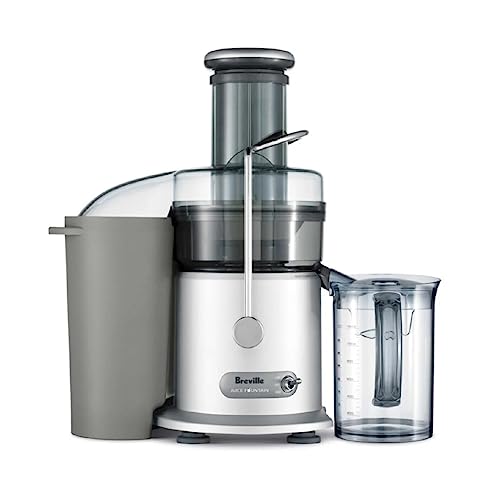
Before we get our hands dirty (or clean, hopefully), let’s look at what each model brings to the blending station. The Breville BJE430SIL Juice Fountain Cold is built for speed and volume. Its 850-watt motor and massive 3-inch feed chute size let you juice whole fruits and vegetables in seconds, storing up to 70 fl oz in its sealed jug. It uses a stainless steel micro-mesh filter and Cold Spin Technology designed to minimize heat and protect nutrients.
The Ninja JC151 NeverClog Cold Press Juicer takes a slower, more deliberate path. Its powerful high-torque motor rotates an auger at low speeds to crush and press produce, a method often associated with higher juice yield and less oxidation. A standout feature is its Total Pulp Control, offering two interchangeable filters for “Less Pulp” or “Lots of Pulp” juice. For more juicy insights on different juicer types, explore our recipe collection full of tips and tricks.
| Features | Breville BJE430SIL Juice Fountain Cold | Ninja JC151 NeverClog Cold Press Juicer |
|---|---|---|
| Motor Power | 850-watt high-performance motor | Powerful high-torque motor (low-speed) |
| Juicing Method | Centrifugal with Cold Spin Technology | Slow Cold Press / Masticating |
| Key Feature | 3″ wide feed chute, 70 oz seal & store jug | Total Pulp Control with 2 filters, NeverClog design |
| Special Functions | LED overload indicator | Start/Stop and Reverse programs |
| Check current price on Amazon | Check current price on Amazon |
Dishwasher Safety: What Parts Can Actually Go In?
This is the million-dollar question for anyone who values convenience. The short answer is that most removable parts on both juicers are crafted from BPA-free materials, but dishwasher safety varies significantly. Always check the manufacturer’s guide for the final word, but heres the general blend-tastic tips based on common design and material science.
For the Breville BJE430SIL, the key removable components are the pulp container, juice jug, lid, and the stainless steel filter basket. These plastic components and the filter are typically top-rack dishwasher safe. The heavy motor base must never be submerged or put in the dishwasher. A quick rinse of the filter under running water immediately after use makes any later cleaning a breeze.
The Ninja JC151 also features dishwasher-safe parts on the top rack. This includes the pulp container, juice pitcher, lid, and the two interchangeable pulp filters. Its auger and strainer parts, while durable, often benefit from a quick manual rinse to prevent pulp from drying in the intricate parts. Remember, placing items securely on the dishwasher rack prevents warping from the heat. For more smoothie secrets revealed on appliance care, head to our fresh squeeze central, also known as Juicer Advices.
Can You Put Breville Juice Fountain Parts in the Dishwasher?
Yes, but with a strategy. The large pulp bin, the 70 oz juice jug with its seal, and the lid are top-rack safe. The stainless steel micro-mesh filter can also go on the top rack, but a pre-rinse is your best friend for maintaining its precision. This approach answers the common long-tail search: can you put Breville Juice Fountain parts in dishwasher.
How to Clean Ninja JC151 Juicer Parts
The Ninja’s “NeverClog” design aims to simplify cleanup. After use, disassemble the unit and give the auger and pulp filters a quick rinse. All BPA-free plastic parts and the filters are safe for the top rack of your dishwasher. This method aligns perfectly with searches for how to clean Ninja JC151 juicer. For a deep clean, a soft brush helps clear any stubborn pulp from the auger grooves.
Step-by-Step Cleaning Comparison
Let’s walk through the post-juicing ritual for each machine. These wholesome whirl advice steps will keep your juicer in prime condition.
Breville BJE430SIL Cleaning Instructions vs Manual Washing
- Unplug the machine immediately. Safety first, always.
- Disassemble all parts: pulp container, juice jug, lid, and filter basket.
- Rinse the filter basket under warm water immediately to prevent pulp from hardening. A small brush can help.
- For the dishwasher, place the plastic parts and filter on the top rack. For manual washing, use warm, soapy water.
- Wipe down the motor base with a damp cloth. Never immerse it in water.
- Let all parts air dry completely before reassembling or storing.
Ninja JC151 Maintenance Tips
- Unplug the juicer after your vibrant blend wisdom session is complete.
- Twist and remove the pulp container and juice pitcher.
- Disassemble the feeding chute, auger, and your chosen pulp filter.
- Rinse the auger and filter under running water to clear major pulp residue.
- Place all plastic parts and the filters on the top rack of your dishwasher for a hands-free clean.
- Dry everything thoroughly to maintain hygiene and part longevity.
Impact on Performance and Durability
How you clean your juicer directly affects its lifespan and the quality of your juice. Consistent, proper cleaning prevents residue buildup that can harbor bacteria and affect taste. For centrifugal juicer models like the Breville, ensuring the micro-mesh filter is completely clear maintains optimal pulp extraction and juice yield. A clogged filter strains the motor.
For slow juicers like the Ninja, ensuring the auger and filter channels are clean is crucial for its “NeverClog” promise. Dried pulp can affect the efficiency of the cold press action. Both machines use BPA-free materials designed for durability, but exposing them to harsh dishwasher detergents or high heat repeatedly could potentially make plastics brittle over time. Following the manufacturer cleaning instructions protects your warranty implications and keeps your machine running smoothly for years. Discover more nutrient-packed pointers in our beverage section.
Material Durability and Long-Term Care
The stainless steel components in both juicers are champions of durability. The Breville’s cutting disc and filter basket are particularly robust. The Ninja’s auger is also built to last. The key is to avoid abrasive scrubbers that can scratch surfaces. For plastic parts, gentle washing preserves their finish. Storing your juicer fully dry and reassembled prevents dust collection and maintains its ready-to-juice status.
Final Squeeze: Verdict & Maintenance Recommendations
So, which juicer wins the cleanup crown? Both the Breville BJE430SIL and Ninja JC151 offer significant convenience with top-rack dishwasher safe parts, making them strong contenders in the category of dishwasher safe juicers for easy cleanup. Your choice ultimately hinges on your preferred juicing style and which cleanup workflow suits you best.
The Breville’s strength is its speed and volume, ideal for large batches. Its cleanup is straightforward, with a focus on rinsing the filter basket promptly. The Ninja excels in yield control and a slower, quieter process, with an auger that benefits from a quick pre-rinse before the dishwasher. Here are some final healthy sip suggestions from the team at Juicer Advices:
- Rinse Immediately: Whether you use the dishwasher or not, a quick rinse right after juicing is the single best habit for easy cleaning.
- Respect the Motor Base: Keep it dry and clean with only a damp cloth. This is non-negotiable for both models.
- Air Dry is Key: Always let parts dry completely before storage to prevent mold and odors.
- Consult the Manual: Your specific model’s guide has the definitive cleaning rules to protect your investment.
between a fast centrifugal machine and a slow masticating juicer is a personal decision based on your nutritional goals and kitchen rhythm. Both the Breville and Ninja models discussed here deliver quality, convenience, and are designed with the modern, health-conscious user in mind. They prove that you don’t have to sacrifice easy maintenance for a daily dose of fresh from the juicer goodness.
Ready to explore which machine aligns with your lifestyle? Check the links above for the latest details and find your perfect juicing partner. And for endless inspiration on what to make once you’ve chosen, don’t forget to tap into our juicy Juicing insights for your next recipe revelations. Happy juicing!