Blenders for Ice Cream Shakes: What to Know and Which to Choose
On this page 7 sections
- Blenders for Ice Cream Shakes: What Works Best
- How to Use a Blender to Make Creamy Ice Cream Shakes
- Portable Blenders for Shakes: When and Why to Choose Them
- Comparing Ice Cream Shakes to Other Frozen Drinks
- Checklist Before Buying or Using a Blender for Ice Cream Shakes
- Portable Blenders for Shakes: When and Why to Choose Them
- Frequently Asked Questions
A blender for ice cream shakes is a kitchen appliance that blends ice cream and other ingredients into a smooth, creamy drink. These blenders differ from regular blenders by having enough power and blade design to crush frozen items without damaging the motor or leaving chunks.
Choosing the right blender affects how smooth and thick your milkshake will be, how easy it is to use and clean, and how durable the machine is over time.
Blenders for Ice Cream Shakes: What Works Best
Blenders for ice cream shakes need a powerful motor and sharp blades to crush frozen ice cream and mix liquids into a creamy texture. Stand blenders with at least 500 watts of power and stainless steel blades are usually the best choice for smooth, thick milkshakes.
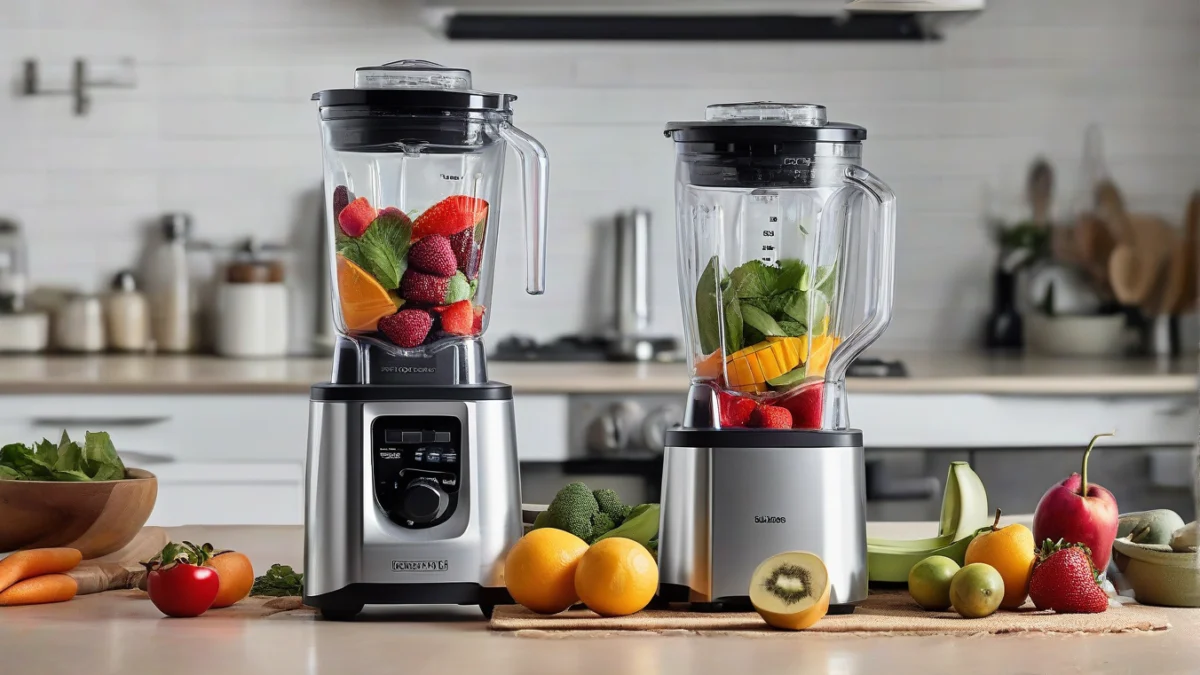
Motor power matters because ice cream and frozen ingredients put extra strain on the blender. A motor below 300 watts often struggles and may overheat or stall. Blades designed with multiple angled edges help break down ice and dense cream more effectively. Look for blades made of durable stainless steel to maintain sharpness.
Capacity is important, too. A jar that holds between 24 and 48 ounces allows you to make one or two milkshakes in one blend. Personal blenders with smaller jars can work for a single serving but often lack the motor strength and blade design for the creamiest shakes.
Stand blenders typically last longer and handle tougher jobs than personal blenders, which are more portable but less powerful. If you plan to make shakes regularly, choose a model known for durability and easy cleaning, preferably with dishwasher-safe parts.
| Feature | Recommended Specs |
|---|---|
| Motor Power | At least 500 watts |
| Blade Material | Stainless steel, multi-angled |
| Jar Capacity | 24 to 48 ounces |
| Speed Settings | Multiple, including high speed |
| Durability | Sturdy body, dishwasher-safe parts |
Personal blenders are good when you want a quick, single shake and easy cleanup, but they typically use motors under 300 watts and have fewer speed options. Stand blenders offer more power and control, making them the best blender for milkshakes if you want consistent creaminess.

How to Use a Blender to Make Creamy Ice Cream Shakes
Using blenders for shakes requires layering ingredients and controlling blending speed to get a creamy texture without overworking the motor. Start by adding liquid first, then ice cream, and any extras like flavorings or protein powder on top.
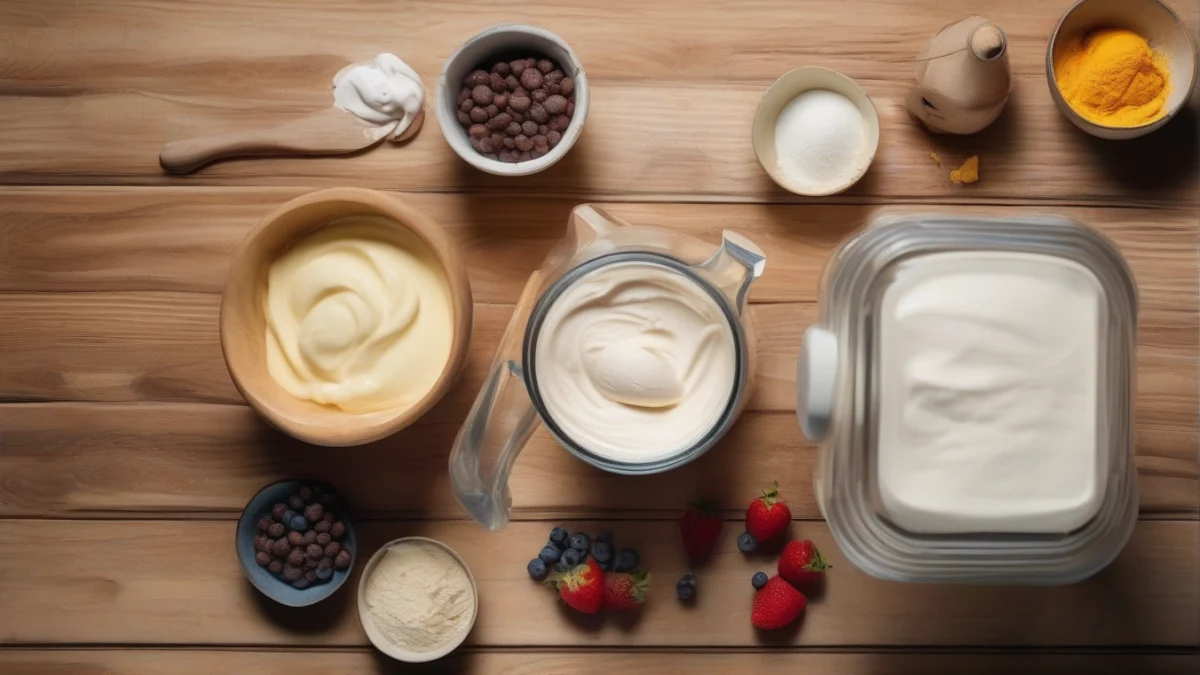
Avoid running the blender continuously for more than 60 seconds to prevent overheating. If the motor feels hot or the blender slows down, switch off and let it rest for a few minutes before continuing.
After use, clean the blender promptly. Detach the jar and blades if possible, and wash with warm soapy water or in the dishwasher if the manufacturer allows. Wipe down the base with a damp cloth—never immerse it in water.
Best blenders for protein shakes often share features with those for ice cream shakes—powerful motors, sharp blades, and multiple speed settings. You can use the same blender for both as long as it handles frozen ingredients well.
For more blending tips and recipes, see How to Make 4 Servings of Ice Cream in a Vitamix Blender.

Portable Blenders for Shakes: When and Why to Choose Them
Portable blenders can make ice cream shakes, but with some limits. Their compact size and battery power let you blend shakes almost anywhere, like at the beach or on a trip, without needing a wall outlet.
These blenders usually hold about 12 to 16 oz (1.5 to 2 cups). That’s enough for a single shake but smaller than traditional countertop blenders which handle multiple servings.
The motor power in portable blenders tends to be lower, often around 200 to 300 watts. While this can crush soft frozen fruit and ice cubes, very hard frozen ice cream or large ice chunks may strain the blades or motor.
Battery life varies by model, but many portable blenders offer enough charge for 10 to 20 shakes on a full battery. Charging is typically via USB, convenient for travel or outdoor use.
People who benefit most are those needing convenience and portability: campers, travelers, or office workers wanting quick shakes without bulky equipment. They’re also popular for personal smoothies and baby food blending.
However, if you want thick, creamy shakes with large ice cream servings regularly, a more powerful countertop blender is better suited.
 Home Juicing Starter KitMake fresh juice that tastes good, costs less and keeps safely: 40 recipes with exact amounts, a yield chart and a 4-week plan.40 juice, smoothie and shot recipesYield, storage and food-safety chartsCost, yield and shopping-list calculator (Excel)
Comparing Ice Cream Shakes to Other Frozen Drinks
Ice cream shakes differ from smoothies and frozen drinks mainly in ingredients and texture. Ice cream shakes include ice cream blended with milk or cream, resulting in a thick, creamy, and sweet drink. Smoothies use fruits, vegetables, yogurt or juice but no ice cream, producing a lighter, sometimes fibrous texture.
Frozen drinks like slushies or frozen cocktails usually rely on crushed ice and flavored syrup, with a more icy and less creamy consistency.
Blender choice depends on the drink. For ice cream shakes, a blender with a strong motor and sharp blades handles thick, frozen dairy well. Smoothies require less power but benefit from blades designed to puree fibrous ingredients smoothly. Frozen drinks need blenders that can crush ice effectively but may not need as powerful motors as ice cream shakes.
| Drink Type | Main Ingredients | Texture | Blender Needs |
|---|---|---|---|
| Ice Cream Shake | Ice cream, milk or cream | Thick, creamy | Powerful motor, sharp blades for frozen dairy |
| Smoothie | Fruit, vegetables, yogurt or juice | Smooth, fibrous | Sharp blades for pureeing, moderate power |
| Frozen Drink | Crushed ice, syrup or alcohol | Icy, slushy | Good ice-crushing ability, variable power |
Sugar and calorie content varies too. Ice cream shakes tend to be highest in calories and added sugars because of ice cream and sweeteners. Smoothies can be high in natural sugars from fruit, with calories depending on added ingredients like yogurt or sweeteners. Frozen drinks often have added sugars in syrups and alcohol.
For protein shakes, blenders made for smoothies work well, balancing power and blade design to mix powders, liquids, and sometimes frozen fruit smoothly. They usually have moderate motor strength and cups sized for single servings.
Checklist Before Buying or Using a Blender for Ice Cream Shakes
Choose a blender with a motor of at least 500 watts and sharp stainless steel blades to crush ice cream and ice without straining the machine.
Pick a container size that fits your usual serving needs; a 32-ounce jar is common for single or double shakes. Glass or BPA-free plastic containers resist stains and odors better than cheap plastic.
Look for blenders with removable blades and dishwasher-safe parts to make cleaning easier. Some models have self-cleaning cycles that save time.
Consider your kitchen space and where you’ll store the blender. Check noise levels if you live with others or use it early in the morning; quieter models are available but often cost more.
Portable Blenders for Shakes: When and Why to Choose Them
Portable blenders can make ice cream shakes, but with some limits. They often have smaller motors under 300 watts, which may struggle with thick, frozen ingredients like ice cream. For beach use, they offer convenience and cordless operation, but expect thinner shakes or pre-softened ice cream for best results. These blenders excel at lighter shakes, smoothies, or juice blends rather than dense milkshakes.