
Why This Distinction Matters More Than You Think
You’re at a coffee shop staring at a menu that says “Beverages” at the top. Your friend texts you asking what you want to “drink” tonight. Same liquids, different words. Most people use them interchangeably and never think twice. But the choice between “beverage” and “drink” carries real weight in menus, legal documents, marketing campaigns, and everyday conversation.
This guide walks through the core definitions, the historical roots of both words, how industries and regulators define them, regional quirks, and the grammar rules most people get wrong. By the end, you’ll know exactly which word fits which situation, and you’ll notice things about menus and product labels that used to slide past you. For a detailed comparison, see diet coke vs coke zero difference.
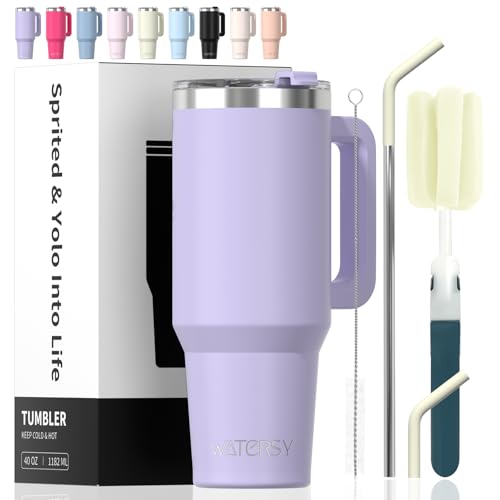
WATERSY
40 oz Tumbler with Handle,Tumbler with Lid…
- 【Easy to Carry】The water bottle can be easily placed in the car cup holder, and the one-handle design allows you to easily take ou…
- 【Keep Drinks Temperature】The large capacity thermal cup adopts vacuum insulation technology, which can provide good heat preservat…
- 【Leak-proof Design】 The travel cup feature a well-sealed lid, effectively preventing drink leakage or spills for convenient portab…
Before diving in, one practical note: if you’re someone who likes to keep a cold drink nearby all day, a beverage vs juice comparison helps clarify what counts as what. For actually holding that drink, a 40 oz tumbler with a handle from WATERSY keeps iced tea or coffee cold for 34 hours, which beats refilling a flimsy cup every hour. It’s a simple tool that makes the whole “what am I drinking” question less urgent.
Defining the Terms: Core Meanings
What is a Drink?
“Drink” is the older, broader word. It comes from Old English drincan, and it covers any liquid you can swallow. Water, milk, soda, beer, soup broth — if it goes in your mouth and down your throat, it’s a drink. The word also works as a verb, which is its most common job. “I drink coffee every morning.”
As a noun, “drink” carries a casual tone. You offer someone a drink at a party. You grab a drink after work. In many contexts, especially British English, “a drink” specifically means alcohol. “Let’s go for a drink” rarely means orange juice.
What is a Beverage?
“Beverage” entered English from Old French bevrage, which traces back to the Latin bibere, meaning “to drink.” It arrived with the Norman conquest in the 11th century, and it brought a sense of formality with it.
A beverage is any drink, but the word carries a more clinical, commercial, or formal flavor. You see “beverage” on restaurant menus, airline service carts, and nutrition labels. Nobody says “I’m thirsty, let me grab a beverage from the fridge” in casual speech. It sounds stiff. But “beverage” also covers everything: water, juice, soda, tea, coffee, alcohol, even nutritional shakes.
The Key Differences: Formality, Scope, and Context
Formality and Tone
The biggest gap between the two words is register — how formal or casual a word feels. “Drink” is plain and honest. “Beverage” is dressed up. You’d write “beverages will be served at the reception” on a wedding invitation. You’d never write “drinks will be served” on a legal contract, but you’d text your buddy “drinks at 7?” without a second thought.
This formality split explains why the hospitality industry leans hard on “beverage.” Hotels, restaurants, and catering companies use it because it sounds professional and covers every liquid they sell. A menu that says “Beverages” includes water, soda, wine, and espresso. “Drinks” on a menu feels too casual for a fine dining establishment.
Scope and Inclusivity
Here’s a subtle difference most people miss: “drink” can be narrower in some contexts. In American English, “soft drink” means a carbonated non-alcoholic beverage. “Drink” by itself, depending on the region, might imply alcohol. “Beverage” never implies alcohol on its own. It’s a neutral umbrella term.
Water is the tricky case. Is water a beverage? Technically yes, but in the beverage industry, “beverage” often excludes plain water. The term “beverage” in market reports usually means packaged drinks: soda, juice, tea, coffee, sports drinks, and alcohol. Tap water doesn’t get counted. So the scope depends on who’s using the word. For a nutritionist, water is a beverage. For a beverage manufacturer, it’s not.
Etymology: Where the Words Come From
The linguistic history explains the formality gap better than any dictionary definition. Old English drincan is a native Germanic word. It’s been in English since before the language was even called English. It’s part of the everyday vocabulary that survived the Norman invasion.
“Beverage” came later, from Anglo-Norman French, and it arrived as a legal and administrative term. The Normans used it in official documents to refer to provisions — food and drink supplied to soldiers, workers, or guests. That bureaucratic origin stuck. For centuries, “beverage” appeared in legal texts, trade records, and formal accounts while ordinary people kept saying “drink.”
That’s why “beverage” still sounds like it belongs on a spreadsheet or a contract. It’s not that the word is wrong in casual speech — it’s that it carries 900 years of administrative baggage.
Industry and Regulatory Usage
The Hospitality and Retail Sector
Walk into any hotel minibar or look at a cruise ship menu. You’ll see “beverage” everywhere. The reason is practical: it’s a single term that covers every liquid product a business sells, from bottled water to whiskey. “Drink” can mean alcohol in casual speech, which creates ambiguity. “Beverage” eliminates that ambiguity.
Retailers also use “beverage” for inventory and shelf labeling. A grocery store’s beverage aisle includes sodas, juices, teas, coffees, and sports drinks. Calling it the “drink aisle” would confuse shoppers who think of “drinks” as mostly alcohol or casual refreshment.
Legal and Tax Definitions
Regulators care deeply about this distinction. The U.S. Food and Drug Administration (FDA) uses “beverage” in labeling regulations to refer to any liquid intended for human consumption, excluding water that’s regulated separately. The Alcohol and Tobacco Tax and Trade Bureau (TTB) has its own definitions for “malt beverage,” “wine,” and “distilled spirits.”
Tax codes draw lines too. Many U.S. states tax “soft drinks” differently from other beverages. In some jurisdictions, a “beverage” that contains no alcohol isn’t subject to the same excise taxes as beer or liquor. The word choice in a tax code can mean millions of dollars in revenue difference. So when a law says “beverage,” every word of the definition gets scrutinized.
Regional Variations and Dialects
British and American English handle these words differently. In the UK, “drink” leans heavily toward alcohol. “Fancy a drink?” almost always means a pub trip. “Soft drink” is the standard term for non-alcoholic options, and “beverage” sounds more American or corporate.
In the US, “drink” is more flexible. It can mean anything from water to a cocktail, and context decides. “Beverage” is used in formal or commercial settings but feels out of place in conversation.
Then there’s the carbonated drink naming war. “Pop” in the Midwest, “soda” on the coasts, “soft drink” in the South, and “fizzy drink” in the UK. These regional terms all describe the same thing, and none of them use “beverage.” That’s because “beverage” is too formal for everyday speech. People reach for shorter, friendlier words.
Grammatical Rules: Verb vs. Noun
Here’s where most grammar guides miss the point. “Drink” works as both a verb and a noun. “I drink water” (verb). “That’s a tasty drink” (noun). “Beverage” only works as a noun. You cannot “beverage” something.
The past tense forms of “drink” trip people up constantly. The simple past is “drank”: “I drank coffee this morning.” The past participle is “drunk”: “I have drunk three glasses of water.” Using “drunk” as the simple past — “I drunk coffee” — is incorrect, but you’ll hear it in casual speech. Conversely, “drank” as a past participle — “I have drank” — is also wrong, though increasingly common in American English.
“Beverage” has no such complications. It’s a regular noun with a plural: “beverages.” No verb forms, no tense changes, no irregular conjugations. If you want a grammatically safe word, “beverage” is it.
Marketing and Consumer Perception
Marketers know that “beverage” sounds more premium and more health-oriented than “drink.” A product called a “functional beverage” — meaning it has added vitamins, electrolytes, or botanicals — commands a higher price than the same product called a “sugary drink.” The word “beverage” signals intentionality. It suggests something crafted, not just something to quench thirst.
Look at the energy drink market. Red Bull calls itself an “energy drink.” Monster does too. But the higher-end brands, the ones selling adaptogens and nootropics, call themselves “functional beverages.” Same category, different word, different price point.
This isn’t deception. It’s framing. “Drink” is associated with pleasure and casual consumption. “Beverage” is associated with purpose and nutrition. If you’re selling a $5 can of sparkling water with added magnesium, you want the word “beverage” on the label.
Choosing the Right Word
So which word should you use? It depends on the room you’re in.
- In casual conversation with friends or family, say “drink.” It’s warmer and more natural.
- In any professional or commercial context — menus, contracts, inventory lists, marketing copy — use “beverage.” It’s precise and avoids the alcohol ambiguity.
- If you’re writing about nutrition or health, “beverage” is the safer choice because it sounds more clinical and inclusive.
- If you’re writing a novel or a personal essay, “drink” gives you more emotional range. People don’t have meaningful memories of “beverages.”
- When in doubt, think about the audience. A legal document demands “beverage.” A text to your roommate demands “drink.”
One more practical tip: the word “drink” also functions as a verb, so you can’t avoid it. “Beverage” is purely a noun. That alone explains why “drink” appears far more often in everyday speech — you need it for actions, not just objects.
If you’re curious about specific categories, you might wonder how juice fits into this picture. The difference between beverage and juice comes down to processing: juice is squeezed from fruit or vegetables, while a beverage can be anything from water to a carbonated soda. And if you’re fasting, the question of what counts as a drink versus a beverage gets even more complicated — some energy drinks while fasting break a fast, while plain water doesn’t.
Common Questions People Ask
Is water a beverage?
Yes, technically. Water is a liquid you drink, so it fits any broad definition of beverage. But in the beverage industry, “beverage” usually means packaged drinks, and plain tap water doesn’t count. In nutrition and health contexts, water is absolutely a beverage. The word “beverage” is broad enough to include everything from water to whiskey.
Can “drink” always replace “beverage”?
No. “Drink” has an alcohol connotation in many contexts, especially British English. If a menu says “drinks,” some customers will assume it means alcoholic options. “Beverage” is unambiguous — it covers everything. Also, “drink” as a noun can sound too casual for legal or technical writing.
Why do menus say “beverages” instead of “drinks”?
Because “beverage” is a formal, professional term that covers every liquid a restaurant sells. It avoids the alcohol ambiguity and sounds more upscale. A menu listing “drinks” feels casual, like a dive bar. A menu listing “beverages” feels intentional, like a hotel or a fine dining establishment.
Is “drunk” ever correct as a noun?
Yes, but it means something different. “A drunk” is a person who is intoxicated. That’s a noun usage, but it’s unrelated to the beverage meaning. The past participle “drunk” appears in phrases like “I have drunk too much coffee.” The simple past is always “drank.”
Does the beverage industry use the two words differently?
Yes. The industry uses “beverage” as the umbrella term for all packaged drinks: soft drinks, juices, teas, coffees, sports drinks, and alcohol. “Drink” in industry reports usually refers to alcohol or to the act of consuming. Market researchers track “beverage sales” as a category, not “drink sales.”
What Actually Matters in the End
The beverage vs drink distinction isn’t about being right or wrong. It’s about matching your word to your context.
- Use “drink” for casual conversation, verbs, and emotional or personal writing.
- Use “beverage” for professional, commercial, legal, or technical contexts.
- Remember that “beverage” never implies alcohol; “drink” sometimes does.
- Understand that “beverage” sounds more premium and health-oriented in marketing.
- Know your audience’s dialect — British English leans “drink” toward alcohol more than American English.
- Keep the grammar straight: “drank” is past tense, “drunk” is the past participle.
- When in doubt, “beverage” is the safer formal choice, and “drink” is the safer casual choice.
Language shifts over time, and these two words have been drifting apart for centuries. The next time you see “beverage” on a menu, you’ll know exactly why it’s there. And the next time someone asks if you want a drink, you’ll know they’re probably not offering you a bottle of water.


