Yes, aloe vera juice is best consumed about 1 to 2 ounces 30 minutes before meals, up to 8 ounces daily. This timing helps optimize digestion by allowing the juice’s enzymes and bioactive compounds to prepare your gut for food.
Aloe vera juice contains vitamins, enzymes, and polysaccharides that support digestion and nutrient absorption. Its mild laxative effect and soothing properties make timing important to maximize benefits and avoid discomfort.
Consuming aloe vera juice before meals allows it to gently stimulate digestion without interfering with stomach acidity or medications. Knowing the right dose and timing can help you enjoy aloe vera juice safely every day.
The essentials
Drink about 1 to 2 ounces of aloe vera juice 30 minutes before meals for best digestive support.
Limit total daily intake to no more than 8 ounces to avoid laxative effects and stomach upset.
Avoid aloe vera juice if you are pregnant, have kidney disease, or are sensitive to laxatives.
Do not consume aloe vera juice close to medications without checking with your healthcare provider.
If you experience diarrhea, abdominal pain, or allergic reactions, stop use and call your doctor.
Best Time to Consume Aloe Vera Juice
The best time to consume aloe vera juice is about 30 minutes before meals, with a typical serving ranging from 1 to 2 ounces and a daily maximum of about 8 ounces. This timing allows the juice’s enzymes and bioactive compounds to prepare your digestive system to work more efficiently when you eat.
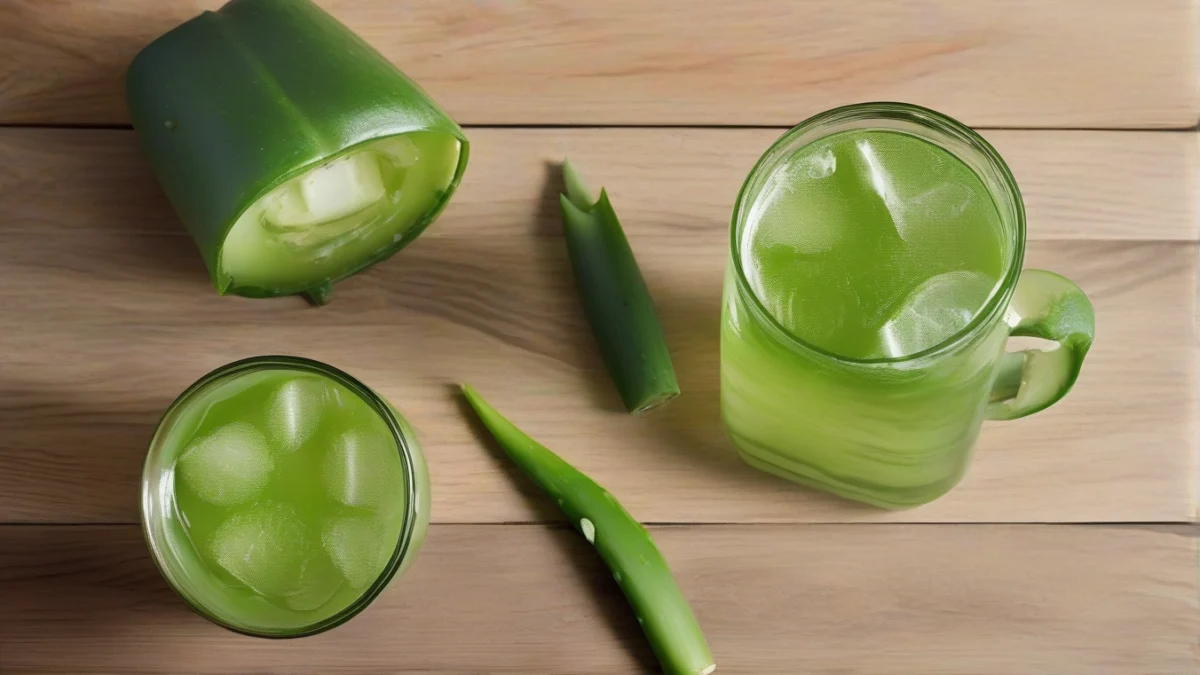
Aloe vera juice served about 30 minutes before meals supports digestion.
Aloe vera juice contains digestive enzymes and polysaccharides that can help soothe the gut lining and promote nutrient absorption. Taking it before you eat means these compounds have time to interact with your stomach and intestines, potentially improving digestion and reducing occasional discomfort like bloating.
Most products recommend a serving size of 1 to 2 ounces per dose. This moderate amount balances effectiveness with safety, as larger quantities may cause stomach upset or interact with medications. Daily intake should not exceed 8 ounces to avoid unwanted laxative effects.
The juice typically has a mild sugar content, which helps with taste but is usually low enough not to affect blood sugar significantly if you stick to the recommended dose. Still, it’s wise to choose products without added sugars or artificial sweeteners to keep intake clean and avoid extra calories.
If you take medications, especially those for diabetes or digestion, spacing aloe vera juice consumption at least one hour apart from your pills is advisable. This spacing reduces the chance of the juice altering how your medicine works.
Worked example
Say you drink 2 ounces of aloe vera juice 30 minutes before each of your three daily meals. That totals 6 ounces a day, within the recommended maximum. This timing helps the juice start working on your stomach lining before food arrives, promoting smoother digestion.
Drinks2 ounces before each meal
Total aloe vera juice6 ounces daily
Myth
Aloe vera juice should be consumed only on an empty stomach.
Fact
While empty stomach consumption is common advice, taking aloe vera juice about 30 minutes before meals is optimal because it primes digestion rather than just avoiding food.
Best for digestion support
Lily of the Desert Aloe Vera Juice
Lily of the Desert Aloe Vera Juice is ideal for taking before meals thanks to its patented polysaccharide-rich formula that may enhance nutrient absorption and soothe your digestive tract.
Always check the label for added sugar when choosing aloe vera juice, as sugar content can vary widely between brands. Some products add sweeteners to improve taste, which increases calories and may not suit people watching their sugar intake.
Check labels for added sugar when selecting aloe vera juice products.
Typical aloe vera juice servings contain between 2 to 6 grams of sugar, mostly naturally occurring. Calories per serving usually range from 10 to 30, with sodium levels typically low but worth noting if you’re on a sodium-restricted diet.
Serving sizes can differ—some bottles list 1 ounce, others 2 or 4 ounces as a serving. This variation means you need to compare sugar and calorie amounts per serving carefully to avoid unintentionally consuming more than intended.
Nutrient
Range per Serving (1-2 oz)
Added sugar
2 to 6 grams
Calories
10 to 30 kcal
Sodium
5 to 20 mg
Typical nutrient ranges in aloe vera juice servings
If you have diabetes or are limiting calories, choosing aloe vera juice with no added sugar and smaller serving sizes helps control your intake. Natural sugars at recommended doses are usually safe but watch your total daily sugar from all sources.
Label wisdom
Look for products labeled “no added sugar” or “unsweetened” to keep aloe vera juice a low-sugar choice.
Good for careful label checking
Nature’s Way Aloe Vera Leaf Juice
Nature’s Way Aloe Vera Leaf Juice offers a flavorless, purified option with clear labeling, making it easier to monitor sugar and calorie intake.
Choose a mild, purified aloe vera juice with clear dosing instructions.
Milder taste
Lily Of The Desert Aloe Vera Juice Inner Fillet
This juice uses the inner fillet of organically grown aloe for a milder flavor and includes a polysaccharide-rich ingredient to help digestion and nutrient absorption. It comes with clear instructions to take 1 to 2 ounces about 30 minutes before meals, matching the best timing for digestive benefits.
This purified aloe vera leaf juice offers a neutral flavor and flexible dosing from 1 to 8 ounces daily, so you can fit it into water or smoothies. It’s certified for purity and quality, supporting a consistent wellness routine.
Avoid Aloe Vera Juice If You Have Certain Conditions
Aloe vera juice is not safe for everyone; certain health conditions call for avoiding or limiting it to prevent harm.
Pregnant and breastfeeding women should avoid aloe vera juice because it may stimulate uterine contractions or pass compounds to the baby that are not well studied.
People with kidney disease need caution because aloe vera juice contains compounds that can affect electrolyte balance, potentially worsening kidney function or causing dangerous potassium shifts.
If you have digestive issues such as irritable bowel syndrome or are sensitive to laxatives, aloe vera juice can worsen diarrhea, cramping, or dehydration due to its natural laxative effect.
Some medications interact with aloe vera juice, especially blood thinners, diuretics, or drugs for heart rhythm, increasing side effect risks or altering drug levels.
Who Should Avoid Aloe Vera Juice
Pregnant or breastfeeding women, those with kidney disease, people sensitive to laxatives, and those on certain medications should avoid or limit aloe vera juice and consult their doctor first.
Check Before You Drink
Are you pregnant or breastfeeding?
Do you have kidney disease or electrolyte imbalances?
Do you experience frequent diarrhea or digestive sensitivity?
Are you on blood thinners, diuretics, or heart medications?
When to Call Your Doctor
Stop aloe vera juice and seek medical advice if you experience severe diarrhea, abdominal pain, muscle weakness, or irregular heartbeat after drinking it.
Severe or persistent diarrhea
New or worsening abdominal cramps
Muscle weakness or unusual fatigue
Irregular or rapid heartbeat
From JuicerAdvices · our own guide40 recipes with exact amounts, a yield chart and a 4-week plan: pages 8 to 13.Home Juicing Starter KitMake fresh juice that tastes good, costs less and keeps safely: 40 recipes with exact amounts, a yield chart and a 4-week plan.40 juice, smoothie and shot recipesYield, storage and food-safety chartsCost, yield and shopping-list calculator (Excel)$14.99$9.99Get it for $9.99See what's inside and watch the 2-minute video →18-page printable PDF + Excel calculator · instant download · 30-day refund
When and How to Space Aloe Vera Juice From Medicines
Taking aloe vera juice too close to medications can affect how well they work or increase side effects, so spacing matters.
The best time to consume aloe vera juice with medication is at least 1 to 2 hours apart to avoid interference with absorption or heightened laxative effects.
For medications taken on an empty stomach, drink aloe vera juice 30 minutes before a meal but separate it from your pill by at least an hour.
If your medicine requires food, take it with your meal and have aloe vera juice about 30 minutes before eating to prepare your digestion without mixing timing.
Aloe vera juice usually starts working within 30 minutes to 2 hours, so plan intake to avoid overlapping peak effects and medicine action.
1
Step 1
Check your medication instructions for timing with food.
2
Step 2
Take aloe vera juice about 30 minutes before meals.
3
Step 3
Space medications at least 1 to 2 hours away from aloe vera juice.
4
Step 4
Watch for any changes in how you feel after combining the two.
Timing Tip
If you take multiple medications, schedule aloe vera juice away from the one with the narrowest absorption window or highest side effect risk.
Medication Type
Recommended Spacing from Aloe Vera Juice
Blood thinners (e.g., warfarin)
At least 2 hours before or after
Diuretics
At least 1 to 2 hours apart
Heart rhythm drugs
At least 2 hours apart
Antacids
Separate by 1 hour
Spacing guidelines help reduce risk of interaction.
If you accidentally drink aloe vera juice with your medication, don’t panic; monitor how you feel and follow your usual schedule next time.
Taking more than 8 ounces of aloe vera juice daily can cause unpleasant symptoms like diarrhea, stomach cramps, and dehydration. These signs show your body is reacting to excess aloe’s laxative effects.
Watch for Overuse Symptoms
If you notice loose stools, abdominal pain, or feel unusually thirsty and weak, you may be consuming too much aloe vera juice.
People with sensitive digestion, kidney issues, or who take certain medications may need to limit their aloe vera juice intake even further, sometimes to less than 1 ounce per day, to avoid these effects.
When to Cut Back or Stop
Diarrhea lasting more than a day
Severe or persistent abdominal cramps
Signs of dehydration like dry mouth or dizziness
If you have pre-existing kidney problems or take medications that interact with aloe vera
If you notice symptoms like diarrhea, reduce your aloe vera juice intake gradually and stop drinking it until the symptoms pass. Drinking water can help prevent dehydration caused by diarrhea.
1
Assess symptoms
Note any digestive discomfort or changes in bowel habits after drinking aloe vera juice.
2
Reduce dose
Cut back to a smaller amount, for example from 2 ounces down to 1 ounce or less daily.
3
Pause intake
Stop aloe vera juice for a day or two if symptoms persist or worsen.
4
Seek advice
Contact your healthcare provider if symptoms continue despite dose reduction or if you experience severe signs like fainting or blood in stool.
When to Call Your Doctor
Severe abdominal pain or cramping
Blood in your stool or vomit
Signs of dehydration like rapid heartbeat or confusion
Persistent diarrhea lasting more than 48 hours
More Questions, Answered
Is it safe to drink aloe vera juice every day?
You can safely drink aloe vera juice daily if you stick to about 8 ounces or less. Daily use supports digestion but watch for any unusual symptoms, especially if you have underlying health issues. If you notice side effects, reduce the amount or pause and consult your healthcare provider.
Can I drink aloe vera juice at night?
Drinking aloe vera juice at night is generally safe, but its digestive effects might be more noticeable if you have a sensitive stomach. Some people find it soothing before bed, while others prefer it earlier to avoid nighttime bathroom trips. Try it at different times to see what suits you best.
How soon before meals should I drink aloe vera juice?
About 30 minutes before meals is ideal for aloe vera juice to help prepare your digestive system. This timing allows enzymes and compounds in the juice to start working, which can improve nutrient absorption and reduce bloating. Drinking it too close to eating may lessen these benefits.
Can aloe vera juice interfere with my medications?
Aloe vera juice can affect how some medications work, especially those processed by the liver or those that affect blood sugar and potassium levels. Space aloe vera juice at least 1 to 2 hours apart from your medications to reduce interaction risks. Always check with your pharmacist if you take prescription drugs regularly.
What are the side effects of drinking too much aloe vera juice?
Consuming more than 8 ounces daily can cause digestive upset such as diarrhea, cramps, and dehydration. Overuse may also lead to electrolyte imbalances or worsen certain health conditions. If you experience these symptoms, cut back or stop and speak with your healthcare provider.
Before you go · a welcome giftGet the Home Juicing Starter Kit for $4.99Make fresh juice that tastes good, costs less and keeps safely: 40 recipes with exact amounts, a yield chart and a 4-week plan. Normally $14.99; your welcome price saves $10.00. We'll email your link right now.or skip the email and buy it now for $4.99 →One email with your link now. We never share your address.


 Home Juicing Starter KitMake fresh juice that tastes good, costs less and keeps safely: 40 recipes with exact amounts, a yield chart and a 4-week plan.40 juice, smoothie and shot recipesYield, storage and food-safety chartsCost, yield and shopping-list calculator (Excel)