Almond milk used to be a low-protein alternative. Most brands offer just 1 gram per cup. That works for cereal, but not for shakes. You need more from your base liquid.
High-protein almond milk changes the math. You get 10 grams of protein per serving, often from added pea or fava bean protein. That turns a simple shake into a real recovery drink.
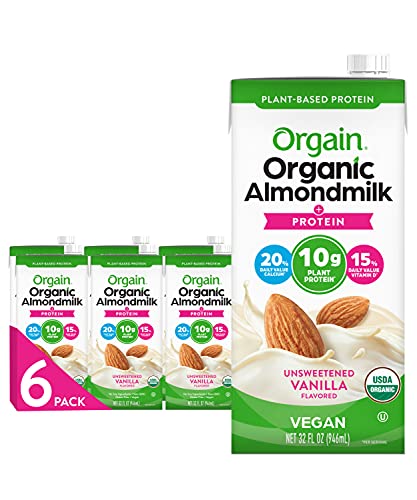
Orgain
Orgain 10g Vegan Protein Almond Milk, Unsweetened…
- CLEANER INGREDIENTS: Every serving has 100 calories, packs 10g of plant-based protein and contains 0g of added sugar*. Certified U…
- HIGHER STANDARDS: This product is Non-GMO, carrageenan free, gluten-free, contains no soy ingredients, and has no artificial color…
- IT’S NUTS HOW GOOD IT IS FOR YOU: Contains no dairy and lactose ingredients, making this product a great alternative to milk. Prov…
But not every high-protein almond milk works well in a shaker or blender. Some separate, some taste chalky, some don’t mix. This guide walks through the conditions that matter and names the products that meet them.

What Counts as High-Protein Almond Milk?
The threshold is simple: at least 8 grams of protein per 8-ounce serving. Most standard almond milks sit at 1 gram. The high-protein category jumps to 10 grams, sometimes more.
That protein comes from added sources. Pea protein is common. Fava bean protein appears in some premium blends. The almond milk itself contributes very little protein, so the added ingredients do the heavy lifting.
You should also check the carbohydrate count. Some high-protein almond milks pack 15 grams of sugar per serving to mask the flavor. Others stay at 1 gram or less. The difference matters for blood sugar control and calorie budgeting.
Who Should Use High-Protein Almond Milk?
Two groups benefit most: athletes and people watching calories. If you train hard and need 30 grams of protein per meal, a 10-gram base helps you get there without a heavy shake. If you’re cutting calories, the same 10 grams replaces a scoop of powder that might not blend well.
There’s a third group: people with dairy sensitivity. Regular milk is a common protein source, but it causes issues for many. High-protein almond milk offers a plant-based path with similar protein numbers.
But here’s the honest caveat: if you already use a 25-gram protein powder, the extra 10 grams from milk barely matters. You’re already at your target. The real benefit is texture and flavor, not the protein count.
The Key Question: Sweetened or Unsweetened?
This splits the audience immediately. Sweetened versions taste better in chocolate shakes. Unsweetened versions keep sugar low and work in savory or fruit-based recipes.
For most shake drinkers, unsweetened vanilla is the safer choice. It adds a hint of flavor without competing with your powder. You can always add a banana or honey for sweetness.
If you’re blending with berries or spinach, unsweetened plain works best. The vanilla can clash with tart fruit. If you’re making a dessert-style shake, the sweetened version saves you from adding extra syrup.
One more condition: if you’re diabetic or on a low-carb diet, unsweetened is non-negotiable. The sweetened versions often carry 15 grams of sugar per serving, which can spike glucose.
Protein Content: 10 Grams vs. Higher
Most high-protein almond milks land at 10 grams per serving. A few go higher, reaching 12 or 15 grams. The extra 2 to 5 grams rarely changes your daily total.
Here’s the practical math: a typical shake uses 1 cup of milk and one scoop of powder. If your powder delivers 20 grams, the 10-gram milk brings the total to 30. That’s a solid meal replacement. If your powder delivers 30 grams, the milk only adds a 25% bump.
So the 10-gram standard is fine for most people. The higher-protein options matter only if you’re using a low-protein powder or skipping powder entirely.
One thing to verify: the protein source. Pea protein is complete, meaning it contains all nine essential amino acids. Fava bean protein is also complete. Some blends use rice protein, which is incomplete. Check the label before you buy.
Taste and Texture: What Actually Matters
High-protein almond milk has a thicker mouthfeel than regular almond milk. That’s a plus for shakes. It makes the final drink creamier without needing ice cream or yogurt.
But some brands overdo it. The pea protein can leave a chalky aftertaste, especially in plain flavors. Vanilla masks that better.
You should also consider how it mixes. Some high-protein milks separate when stored, requiring a vigorous shake before use. Others stay stable. If you’re using a shaker bottle, separation is annoying but not fatal. If you’re using a blender, it’s a non-issue.
For the best texture, look for almond milk with added sunflower lecithin or gellan gum. These ingredients keep the protein suspended and prevent graininess.
Ingredient Cleanliness: What to Avoid
Not all high-protein almond milks are created equal. Some contain carrageenan, a thickener linked to digestive discomfort. Others use artificial flavors or sweeteners.
If you’re sensitive to additives, check the label for carrageenan, gums, and natural flavors. Natural flavors sound benign but can hide chemical solvents.
The cleaner options use simple ingredients: almonds, water, pea protein, and a stabilizer like sunflower lecithin. They also skip added sugar entirely.
One brand that fits this profile is dairy-free milk from Orgain. It’s certified USDA Organic, non-GMO, and free of carrageenan, soy, and artificial anything. Each serving delivers 10 grams of plant-based protein with 100 calories and zero added sugar.
Top Pick: Orgain 10g Vegan Protein Almond Milk
The Orgain option stands out for a few reasons. First, it uses clean ingredients without sacrificing protein. Second, it’s unsweetened vanilla, which pairs well with most shake recipes.
The nutrition profile is straightforward: 100 calories, 10 grams of protein, 0 grams of added sugar. It also provides an excellent source of calcium and a good source of vitamin D. That matters for bone health, especially if you’re avoiding dairy.
It’s also carrageenan-free and contains no soy ingredients. That makes it a safe choice for people with soy allergies or digestive sensitivities.
The taste is mild vanilla, not overpowering. It works in coffee, cereal, and oatmeal. But it shines in shakes and smoothies, where the protein helps thicken the drink.
One honest caveat: it’s not the cheapest almond milk on the shelf. You’re paying for organic ingredients and the added protein. But if you value clean eating, the price is justified.
Check the current price on Amazon for the portable blender friendly 6-pack of 32-ounce bottles.
How to Use High-Protein Almond Milk in Shakes
The simplest way is to swap it for regular milk in your favorite shake recipe. Use 1 cup of high-protein almond milk, one scoop of powder, and your usual add-ins.
For a thicker shake, freeze the almond milk in ice cube trays. Blend the cubes with your powder and a splash of water. The result is a frosty texture without diluting the protein.
If you’re using a travel blender, pour the milk in first, then the powder. This prevents clumping at the bottom. Blend for 30 seconds, then check for dry spots.
For a pre-workout shake, combine 1 cup of high-protein almond milk, a banana, and a scoop of vanilla powder. For a post-workout version, add frozen berries and a scoop of chocolate powder.
The protein in the milk helps slow digestion. That keeps you full longer, which is useful for weight management.
Comparison Table: High-Protein Almond Milk Options
| Brand | Protein per Cup | Added Sugar | Key Feature |
|---|---|---|---|
| Orgain 10g Vegan Protein | 10g | 0g | Organic, no carrageenan |
| Silk Protein Almond Milk | 10g | 0g | Pea protein, no sugar |
| Califia Farms Protein | 10g | 0g | Fava bean protein |
| Mooala Banana Almond Milk | 10g | 6g | Banana flavor, added sugar |
This table shows the common options. The Orgain and Silk versions are clean. The Califia Farms uses fava bean protein, which is a nice change if you’re sensitive to pea protein. The Mooala has added sugar, so it’s better for dessert shakes than daily use.
None of these are perfect. The Orgain is a bit pricier. The Silk has a slightly thinner texture. The Califia Farms version can separate if you don’t shake it well.
But for most shake drinkers, any of these will work. The differences are minor compared to the protein boost they provide.
Does Protein Almond Milk Mix Well with Powder?
Yes, but the order matters. Always add liquid first, then powder. This prevents clumps at the bottom of the shaker.
If you’re using a blender, it’s even easier. The blades break up any protein clumps. You’ll get a smooth, creamy shake in about 20 seconds.
One issue: high-protein almond milk can foam more than regular milk. This is normal and not a problem. The foam adds air, which makes the shake feel lighter. If you prefer a denser drink, let the shake sit for a minute before drinking.
Another tip: use cold almond milk straight from the fridge. Cold liquids blend better with powder and create fewer lumps.
What About Calories and Fat?
High-protein almond milk is typically low in calories. The Orgain version has 100 calories per cup. That’s comparable to skim milk but with half the carbs.
Fat content varies by brand. Some use whole almonds, which adds healthy fats. Others use defatted almond flour, which lowers fat but also reduces creaminess.
If you’re on a keto diet, check the fat content. Some high-protein almond milks have 5 grams of fat per serving, which helps with satiety. Others have just 2 grams.
For most people, the fat difference doesn’t matter. The protein and calorie counts are the main considerations.
Frequently Asked Questions
Can I use high-protein almond milk in cooking?
Yes, but it may change the texture of sauces and baked goods. The added protein can make things thicker. It works well in oatmeal, pancakes, and smoothies. For savory sauces, you might need to add a little water.
Is high-protein almond milk safe for kids?
Generally, yes. The protein comes from plants and is safe for children over one year old. But check with your pediatrician if you’re concerned about allergies or specific dietary needs.
Does high-protein almond milk taste like regular almond milk?
It’s close, but not identical. The added protein gives it a slightly thicker, creamier feel. The flavor is similar, especially in vanilla varieties. Some people notice a slight pea protein aftertaste, but most don’t mind it.
Can I make my own high-protein almond milk?
You can, but it’s tricky. You’d need to blend almonds with water and add a protein powder. The result won’t be as smooth as commercial versions, and it won’t last as long in the fridge.
How long does high-protein almond milk last after opening?
Most brands recommend using it within 7 to 10 days. Check the label for specifics. Always shake the carton before pouring, as separation is natural.
Final Verdict: Which One Should You Buy?
If you want the cleanest option, choose Orgain. It’s organic, non-GMO, and free of common additives. The 10g protein and 0g sugar make it a solid choice for daily shakes.
If you’re on a budget, the Silk Protein Almond Milk is a good alternative. It’s often cheaper and widely available. Just check the label for added sugar, as some flavors have it.
If you prefer a different protein source, try the Califia Farms version with fava bean protein. It’s a good option if pea protein bothers your stomach.
And if you’re making a dessert shake, the Mooala banana flavor is worth trying. The added sugar is fine for an occasional treat.
The bottom line: any of these will improve your shake’s protein content. The differences are small. Pick the one that fits your taste and budget, and start blending.


