The YPONE 2-in-1 Cold Press Juicer is the best pick for most readers seeking an efficient, easy-to-clean juicer with a large 5.8″ feed chute and powerful 400W motor that handles whole fruits and leafy greens with minimal prep and nutrient loss.
The essentials
A large feed chute (5.8″ or more) lets you juice whole fruits and vegetables, cutting prep time.
Slow masticating juicers (around 50-60 RPM) preserve nutrients by minimizing heat and oxidation.
Easy cleaning features like quick-release parts or dishwasher-safe components save time and encourage daily use.
Noise level matters if you juice early; look for models around 50-60 dB for quiet operation.
Powerful motors (300W+) handle tough produce and increase juice yield, especially for leafy greens.
Juicer Comparison by Type, Power, Chute, and Noise
Choosing the right aid juicer can save you time, reduce waste, and help you enjoy fresh, nutrient-rich juices every morning. Many buyers overlook key features like feed chute size and cleaning ease, which affect your daily use and health benefits.
This guide highlights the top 5 aid juicers tailored for busy mornings, focusing on power, yield, and convenience so you can pick the one that fits your kitchen and lifestyle.
Top 5 Aid Juicers for a Healthier Morning
#1Best for Ease & Power
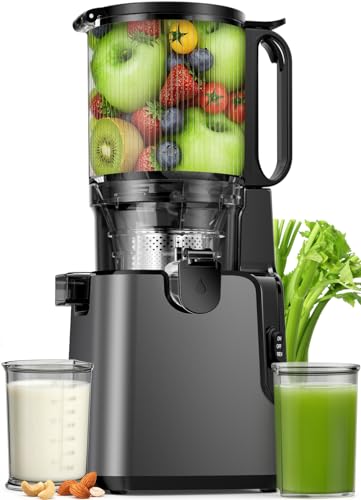
YPONE 2-in-1 Cold Press Juicer Titanium Gray
Best for Effortless whole fruit juicing with minimal prep and easy cleanup
The YPONE 2-in-1 Cold Press Juicer combines a powerful 400W motor with a large 5.8-inch feed chute that fits whole fruits and vegetables, saving prep time. Its slow 55rpm masticating technology preserves nutrients and taste while dual strainers boost juice yield to 99%. Easy cleaning and a safety lock make it ideal for busy mornings and families wanting nutrient-rich juice with less fuss.
Juicer type Cold press (masticating)Motor power (W) 400Feed chute size (inches) 5.8Noise level (dB) —
Why it made the cut
Large 5.8″ feed chute fits whole produce
Powerful 400W motor for tough ingredients
Slow cold press at 55rpm preserves nutrients
Dual strainers reduce clogging and improve yield
Good to know
Larger size may require more storage space
Slow pressing takes longer than centrifugal juicers
Skip it if Skip if you need a very compact or ultra-fast juicer.
Best for Hands-free juicing with wide chute and fast cleanup
Godspeeds Smoothpress® offers a 300W motor and a 6-inch wide chute that lets you juice whole apples and cucumbers without cutting. Its 58rpm slow press reduces foam and noise, operating under 58 dB, which suits early mornings. The snap-apart design allows cleaning under a minute, perfect if you want quick teardown and a quiet start to your day.
Juicer type Cold press (masticating)Motor power (W) 300Feed chute size (inches) 6Noise level (dB) 58
Why it made the cut
6″ wide chute for whole fruits
Quiet operation at under 58 dB
Snap-apart design for fast cleaning
High juice yield up to 99%
Good to know
Less powerful than 400W models
No reverse function to clear jams
Skip it if Skip if you want a juicer with a reverse function or higher motor power.
Best for Customizing pulp levels and preventing clogs during juicing
Ninja NeverClog features a 150W motor and two pulp filters letting you choose between less or more pulp, ideal if you prefer control over juice texture. Its reverse function helps clear jams, while the compact design fits small kitchens. The anti-drip lever prevents spills, making it a neat choice for daily juicing with fibrous produce.
Juicer type Cold press (masticating)Motor power (W) 150Feed chute size (inches) —Noise level (dB) —
Why it made the cut
Two pulp filter options for texture control
Reverse function reduces jams
Compact design fits small spaces
Anti-drip lever for mess-free pouring
Good to know
Lower motor power limits speed
Smaller feed chute requires more prep
Skip it if Skip if you want a larger feed chute or more motor power.
Best for Low-noise juicing with safety features and fast cleanup
INSMART’s 3-in-1 juicer operates quietly at about 50 dB and uses a slow masticating system between 40-60 RPM to maximize nutrition. Its safety lock and BPA-free parts prioritize family safety. Quick Clean technology with dishwasher-safe components reduces cleanup time, making it a good fit if you want quiet, safe, and versatile juice extraction.
Juicer type Cold press (masticating)Motor power (W) 300Feed chute size (inches) —Noise level (dB) 50
Why it made the cut
Ultra-quiet operation at 50 dB
Reverse function clears jams
Quick Clean tech eases cleanup
Safety lock and BPA-free parts
Good to know
Feed chute size not specified
Motor power moderate at 300W
Skip it if Skip if you need a larger feed chute or higher motor power.
Best for Quick juicing with multiple speed options in a small footprint
Juilist’s centrifugal juicer boasts a powerful 800W motor with three speeds to handle soft to hard fruits efficiently. Its 3-inch feed chute is smaller but still versatile, and easy-clean parts with dishwasher safety make daily use simple. This model suits those who want speed and compact size over very large chute capacity or slow cold press extraction.
Juicer type CentrifugalMotor power (W) 800Feed chute size (inches) 3Noise level (dB) —
Why it made the cut
High 800W motor for fast juicing
Three-speed settings for versatility
Compact countertop design
Dishwasher-safe parts for easy cleanup
Good to know
Smaller 3″ feed chute means more prep
Centrifugal juicing can reduce nutrient retention
Skip it if Skip if you prefer slow cold press juicing or a larger feed chute.
Start your juicing routine by thoroughly washing all fruits and vegetables to remove dirt and pesticides. Although some juicers require chopping produce into small pieces, models with large feed chutes let you skip much of this prep, saving time.
Feed your produce steadily into the juicer without forcing it. Pushing too hard can cause jams and strain the motor, shortening your machine’s life. If your juicer offers a reverse function, use it to gently dislodge any blockages safely.
Assemble your juicer carefully, ensuring all parts fit snugly to avoid leaks or spills. After use, disassemble the components promptly for cleaning; this prevents pulp from drying and sticking, which makes washing harder.
Pause juicing when the juice container is nearly full to avoid overflow. This simple step keeps your countertop clean and prevents juice loss. Pay attention to your machine’s capacity and adjust your pace accordingly.
Juicer Use Checklist
Wash produce thoroughly
Use large feed chute to minimize cutting
Feed produce steadily without forcing
Use reverse function to clear jams if available
Assemble parts securely before use
Pause juicing to prevent spills
Clean parts immediately after use
Save Time
Choose a juicer with a wide feed chute if you want to reduce chopping and speed up your morning routine.
From JuicerAdvices · our own guideChoosing or using a juicer? Page 3 compares the types; page 15 fixes the common problems.Home Juicing Starter KitMake fresh juice that tastes good, costs less and keeps safely: 40 recipes with exact amounts, a yield chart and a 4-week plan.40 juice, smoothie and shot recipesYield, storage and food-safety chartsCost, yield and shopping-list calculator (Excel)$14.99$9.99Get it for $9.99See what's inside and watch the 2-minute video →18-page printable PDF + Excel calculator · instant download · 30-day refund
Choosing the Right Juicer Type for Your Needs
The best aid juicer depends on your priorities: masticating and centrifugal are the two main types available, each with strengths and trade-offs. Masticating juicers operate slowly at about 40 to 60 RPM, gently crushing produce and preserving more nutrients and flavor.
Centrifugal juicers work faster by shredding produce with a high-speed spinning blade, but this process generates more heat and oxidation, which can reduce juice quality and shelf life. They often require more prep because their feed chutes are smaller.
Cold press juicers, a category of masticating juicers, offer higher juice yield and better nutrient retention by minimizing heat buildup. They handle leafy greens, hard vegetables, and fruits efficiently, producing smooth juice with less pulp.
Your preference for juice texture matters. If you want smooth, pulp-free juice, masticating or cold press juicers tend to excel. For a pulpy, freshly shredded feel, centrifugal juicers might suit you better.
Motor power also makes a difference: stronger motors (around 300-400W or more) handle tougher produce and leafy greens without stalling. Consider this if your morning routine includes a variety of fruits and vegetables.
Juicer Type
Speed and Noise
Juice Quality
Prep Required
Best For
Masticating (Cold Press)
Slow (40-60 RPM), quieter
High nutrients, smooth juice
Less cutting with wide chute
Nutrient retention, leafy greens
Centrifugal
Fast and noisier
Lower nutrients, more pulp
More cutting, smaller chute
Quick juice, hard produce
Masticating Juicers Are Good For
Preserve nutrients and flavor
Higher juice yield
Quieter operation
Masticating Juicers Are Not For
Slower juicing speed
Usually higher price
More parts to clean
Centrifugal Juicers Are Good For
Fast juicing
Simple design
Lower cost options
Centrifugal Juicers Are Not For
More oxidation and heat
Less nutrient retention
Smaller chute increases prep
Why Feed Chute Size Matters for Morning Efficiency
A larger feed chute speeds up your morning juicing by letting you drop in whole fruits and vegetables with little or no chopping.
Juicers with a 5.8-inch or wider chute handle apples, carrots, and even leafy greens quickly, saving you several minutes of prep.
Smaller chutes, often under 3 inches, require you to cut produce into small pieces first, which adds time but usually means the juicer itself takes up less counter space.
Wide chutes not only reduce chopping but also limit the produce’s exposure to air while juicing, cutting down oxidation and helping preserve nutrients and color.
If you juice for a family or prepare several servings at once, a juicer with a large feed chute reduces your overall juicing time and cleanup.
On the other hand, if your kitchen counters are small or you only juice occasionally, a compact juicer with a smaller chute might suit your space better.
Balancing chute size with your kitchen layout and typical juicing volume is key to a smooth morning routine.
Juicer Tip
To get the best efficiency, wash your produce thoroughly and remove any hard stems or pits before juicing, even with a large chute.
Feed Chute Size Checklist
5.8″ or wider chutes let you juice whole fruits and large veggies
Smaller chutes need chopping but save counter space
Wider chutes speed juicing and reduce oxidation
Large chutes suit families or heavy juicer users
Consider your counter space before choosing chute size
Cleaning Time and Noise Level Affect Daily Use
A juicer that’s easy to clean and quiet makes it much easier to keep your daily routine going.
Look for models with quick-release parts and dishwasher-safe components to speed up cleanup and reduce hassle.
Slow or masticating juicers typically run at about 50 to 60 decibels, quiet enough to use early without waking the whole household.
Noise above 60 decibels, common in centrifugal juicers, can be disruptive and might discourage daily use, especially if you have light sleepers around.
Built-in anti-drip features help keep your counter clean by preventing juice drips when you’re done juicing or switching containers.
How quickly and quietly your juicer works can decide if you juice every morning or skip it when you’re in a rush or tired.
Cleaning Tip
Rinse juicer parts immediately after use to prevent pulp from drying and sticking, making washing easier.
Noise Warning
If your juicer sounds louder than your toaster, consider using it when others are awake or on weekends to avoid disturbance.
Who Should Buy Which Juicer? Matching Features to Health Goals
The best aid juicer depends on what you want to juice and your kitchen space. If leafy greens are your daily go-to, a slow masticating juicer with a powerful motor is ideal because it extracts more juice and preserves nutrients from fibrous vegetables.
Small kitchens benefit from compact juicers that take up less counter space and operate quietly. These models make it easier to maintain a juicing habit without crowding your cooking area or waking the whole house early in the morning.
If your budget is tight, consider juicers that focus on easy cleaning and straightforward features. They usually cost less and save time after juicing, which helps keep your routine consistent without complex parts or extra functions you might not use.
For those who want more than just juice, 2-in-1 juicer machines that also make nut milks and other plant-based drinks offer versatility. This multi-functionality means you can explore different recipes and get more use out of a single appliance.
Warranty length and customer support are important for long-term satisfaction. A solid warranty protects your investment and reliable customer service can help if you encounter issues, especially with higher-end or more complex juicers.
Choosing Your Juicer
Prefer a slow masticating juicer if juicing leafy greens regularly
Opt for compact and quiet juicers for small kitchens
Pick simple, easy-to-clean models if on a budget
Select 2-in-1 juicers for multi-function use like nut milks
Check warranty and customer support for peace of mind
Worked example
Say you have a small kitchen and mostly juice kale and spinach. You want a juicer that doesn’t take much space and handles leafy greens well. The YPONE 2-in-1 Cold Press Juicer fits because it combines a powerful motor with a wide feed chute and compact design, plus it can make nut milks if you want to try that later.
The YPONE 2-in-1 Cold Press Juicer suits beginners well because it combines ease of use with minimal prep thanks to its large feed chute. It also requires less cleaning effort than many others, helping new users stick with juicing.
How often should I clean my juicer?
You should clean your juicer immediately after each use to prevent pulp buildup and avoid bacterial growth. Regular cleaning also keeps the motor running smoothly and preserves the flavor and safety of your juices.
Can I juice leafy greens with any juicer?
Not all juicers handle leafy greens equally well. Masticating juicers like the YPONE cold press excel at extracting juice from leafy vegetables because they crush slowly and thoroughly, while centrifugal juicers may leave more pulp behind.
Is a wide feed chute worth the extra counter space?
A wide feed chute saves prep time by allowing whole fruits and vegetables to go in without chopping. If counter space is limited but efficiency matters, this feature can be worth the trade-off in size.
Do masticating juicers produce more juice than centrifugal ones?
Masticating juicers generally yield more juice and retain more nutrients because they press produce slowly, minimizing heat and oxidation. Centrifugal juicers are faster but may produce less juice and more foam.
Are juicer parts dishwasher safe?
Many juicers have dishwasher-safe parts, but it’s best to check the manual for your model. Hand washing is often recommended to prolong the life of delicate components like screens and blades.
Before you go · a welcome giftGet the Home Juicing Starter Kit for $4.99Make fresh juice that tastes good, costs less and keeps safely: 40 recipes with exact amounts, a yield chart and a 4-week plan. Normally $14.99; your welcome price saves $10.00. We'll email your link right now.or skip the email and buy it now for $4.99 →One email with your link now. We never share your address.


 Home Juicing Starter KitMake fresh juice that tastes good, costs less and keeps safely: 40 recipes with exact amounts, a yield chart and a 4-week plan.40 juice, smoothie and shot recipesYield, storage and food-safety chartsCost, yield and shopping-list calculator (Excel)