Does Putting a Banana in a Blender Increase Its Sugar Level?
On this page 6 sections
- Does putting a banana in a blender increase the sugar level?
- Why blending can change how sweet a banana tastes
- How blending bananas affects blood sugar and digestion
- How blending bananas compares with juicing or eating whole
- What to watch for when blending bananas for health conditions
- More Questions, Answered
Many people wonder whether blending a banana changes its sugar content, especially if they are watching their blood sugar or managing a condition like diabetes. The common concern is that blending might “release” more sugar or make the banana sweeter.
Understanding what blending does and does not do to a banana’s sugar helps you make informed choices about smoothies and fruit drinks.
Does putting a banana in a blender increase the sugar level?
No, putting a banana in a blender does not increase its sugar level. The total sugar content remains the same before and after blending because no sugar is added or created in the process.
Blending breaks down the banana’s structure, turning it into a smooth mixture. This changes the texture and can make the natural sugars feel more accessible, but the amount of sugar itself doesn’t change.
Since blending keeps all the fiber and pulp from the banana, the sugar remains bound within the fruit. This differs from juicing, where much of the fiber is removed, leaving mostly liquid sugar that your body absorbs faster and can raise blood sugar more quickly.
When you blend a banana, you still get the fruit’s natural sugar along with its fiber, which slows digestion and helps moderate blood sugar spikes. No extra sugar is added during blending, so the sugar content you see on the nutrition label for a whole banana applies equally to a blended one.
| Banana form | Sugar content per medium banana (about 7–8 inches) |
|---|---|
| Whole banana | About 14 grams |
| Blended banana | About 14 grams |
| Juiced banana (not common) | Higher sugar concentration per volume, less fiber |
Why blending can change how sweet a banana tastes
Blending a banana breaks down its cell walls, releasing sugars directly to your taste buds. This makes the sweetness more noticeable even though no extra sugar is present.
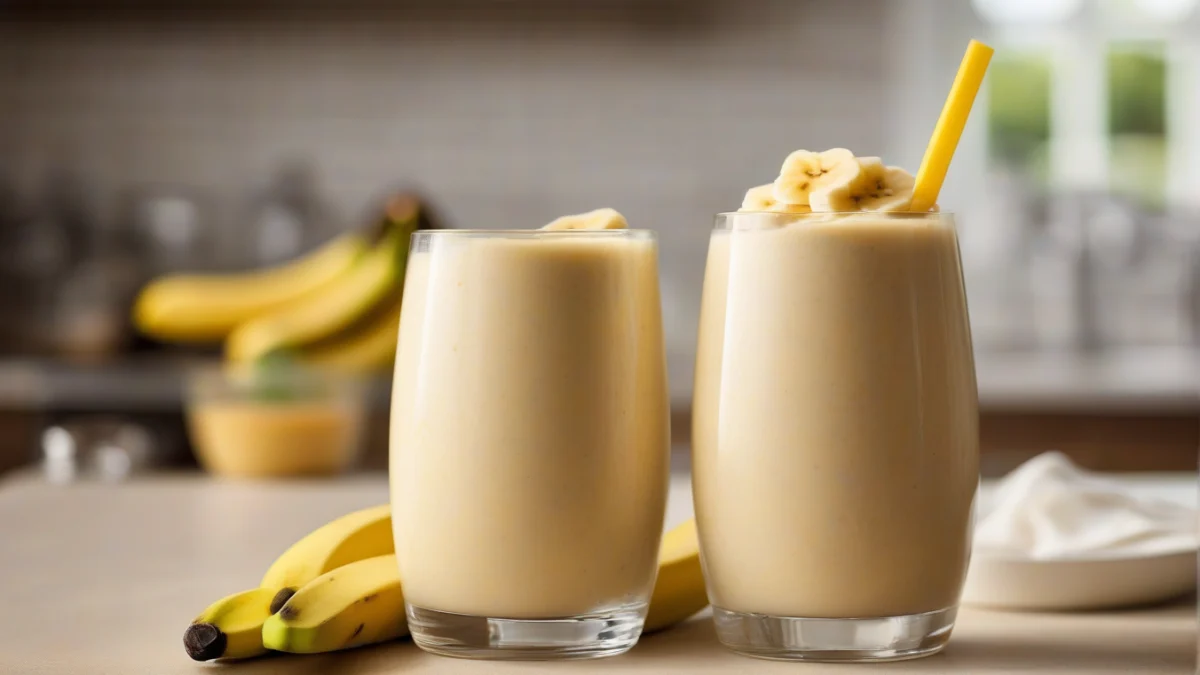
The smooth texture from blending lets flavor molecules spread evenly across your mouth, enhancing the perceived sweetness. The fruity aroma released by blending also plays a role in tasting more sweetness.
Sweetness perception can increase without any change in actual sugar content because your mouth senses sugars more readily in a smooth, liquid form than in a firm, whole banana.
Ripeness is another key factor. Riper bananas have more simple sugars like glucose and fructose, which taste sweeter. Blending a ripe banana will make it taste sweeter than blending a less ripe one because more sugars are freed during blending.


How blending bananas affects blood sugar and digestion
Blending bananas does not increase their sugar content, but it can slightly affect how your body processes those sugars. The fiber in the banana stays mostly intact during blending, which helps slow down sugar absorption into your bloodstream.
When a banana is blended, its particles become smaller and more broken down than when you eat it whole. This smaller particle size can speed up digestion just a bit, potentially causing your blood sugar to rise faster than it would with a whole banana, but the effect is generally mild.
If you have diabetes or are monitoring your blood sugar, controlling your portion size of blended banana is wise. Eating or drinking about 4 oz (half a cup) of blended banana at a time can help keep blood sugar spikes manageable.
Compared to eating a whole banana, blended banana can cause a slightly quicker rise in blood glucose because the sugars are more accessible, but the difference is not large enough to make blended banana unsafe or unsuitable in most cases.
| Drink | Sugar per serving | Servings | Total |
|---|---|---|---|
| Whole small banana | 14 g | 1 | 14 g |
| Blended small banana (6 oz smoothie) | 14 g | 1 | 14 g |
| Total | 28 g | ||
| Recommended added sugar limit for women (25 g) | 112% | ||
 Home Juicing Starter KitMake fresh juice that tastes good, costs less and keeps safely: 40 recipes with exact amounts, a yield chart and a 4-week plan.40 juice, smoothie and shot recipesYield, storage and food-safety chartsCost, yield and shopping-list calculator (Excel)
How blending bananas compares with juicing or eating whole
Juicing fruit removes most of the fiber, leaving mostly sugar and water behind. This concentrates the sugar and lets it enter your bloodstream much faster than eating or blending whole fruit.
A blended banana keeps all its fiber, while juicing a banana isn’t common but would strip it away. Without fiber, the sugar in juice causes a quicker, sharper blood sugar spike.
Eating whole fruit is the best way to get fiber, which helps slow sugar absorption and keeps your blood sugar steady. The intact structure of the fruit means your digestive system releases sugars gradually.
Blending is a better option than juicing for sugar control because it preserves the banana’s fiber. It makes the fruit easier to consume and digest without losing those benefits.
| Form | Sugar (g) in 100 g | Fiber (g) in 100 g |
|---|---|---|
| Whole banana | 12 | 2.6 |
| Blended banana | 12 | 2.6 |
| Juiced banana (hypothetical) | 12 | 0.3 |
If you want to keep blood sugar steady and enjoy banana’s full benefits, whole or blended is best. Juice is less ideal for controlling sugar spikes.
For more on juicing effects versus blending, see does juicing fruit really increase sugar intake and does blending fruit increase sugar.
What to watch for when blending bananas for health conditions
Blending frozen bananas is safe and easy, but you need a blender with enough power to handle the hardness and maintain a smooth texture. Models like the Hamilton Beach Power Elite Blender For Smoothies With Wave Action System can crush ice and frozen fruit effectively.
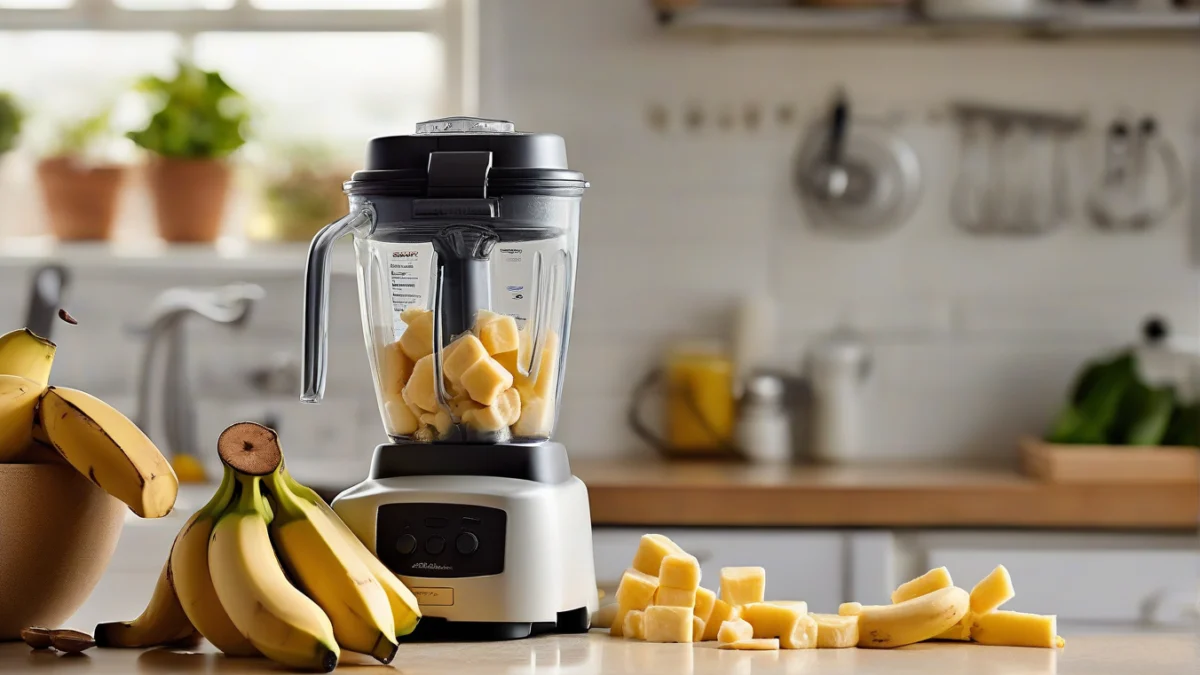
People with diabetes or insulin resistance should monitor their banana servings carefully. While blending doesn’t add sugar, the smoother texture can speed sugar absorption, potentially raising blood sugar faster than eating whole fruit.
Adding ingredients like sweetened yogurt, honey, or fruit juices to your banana blend can increase the total sugar load significantly. Check each ingredient’s label to avoid unintended high sugar intake.
Using frozen bananas helps control portion size and improves texture without needing extra sweeteners. One medium banana (about 7–8 inches long) typically contains roughly 14 grams of natural sugar.
When buying pre-made banana blends or mixes, read the nutrition label carefully. Some products include added sugars or other ingredients that raise the carbohydrate content beyond that of plain bananas.