Are Vahdam Teas Caffeine Free? Full List, Benefits & Expert Guide
On this page 6 sections
- Are Vahdam Teas Caffeine Free? What You Need to Know
- How Vahdam Herbal Teas Are Made and Why They Have No Caffeine
- What Caffeine Amounts Mean for Your Health and Sleep
- How to Brew Vahdam Caffeine-Free Teas for Best Flavor and Benefit
- Comparing Vahdam Teas to Other Popular Drinks by Caffeine and Sugar
- More Questions, Answered
Vahdam is known for premium teas ranging from classic black and green teas to herbal blends. Not all their teas are caffeine free because traditional teas come from Camellia sinensis leaves, which naturally contain caffeine.
Understanding which Vahdam teas have caffeine and which don’t is key if you want to avoid stimulants or enjoy tea any time of day without sleep disruption.
Are Vahdam Teas Caffeine Free? What You Need to Know
Not all Vahdam teas are caffeine free; their line includes both caffeinated traditional teas and naturally caffeine-free herbal teas. Black tea, including Vahdam’s versions, always contains caffeine—the amount varies but is generally about 40 to 70 mg per 8 oz cup, similar to a small cup of coffee.
Herbal teas from Vahdam, such as turmeric ginger and chamomile blends, contain no caffeine because they are made from herbs, spices, or flowers rather than tea leaves. This natural absence of caffeine means you won’t get the stimulant effect.
Caffeine matters especially if you’re sensitive to it or need to avoid it before bedtime or a medical procedure. Unlike energy drinks like Red Bull, which has about 80 mg of caffeine per 8.4 oz can, a cup of black tea offers somewhat less but can still affect sleep and anxiety in sensitive individuals.
| Vahdam Tea Type | Approximate Caffeine Content per 8 oz |
|---|---|
| Black Tea | 40-70 mg |
| Green Tea | 25-45 mg |
| Turmeric Ginger Herbal Tea | 0 mg |
| Chamomile Herbal Tea | 0 mg |
Is black tea caffeine free? No. Black tea always contains caffeine because it’s made from the Camellia sinensis plant leaves, which naturally have caffeine. Vahdam’s black teas follow this rule.
If you want to avoid caffeine entirely, stick to Vahdam’s herbal teas like their turmeric ginger or turmeric moringa blends. They are naturally caffeine free and made from carefully sourced herbs.
How Vahdam Herbal Teas Are Made and Why They Have No Caffeine
Herbal teas, also called tisanes, differ from traditional teas because they don’t use leaves from the tea plant, Camellia sinensis, which contains caffeine. Instead, they are infusions of herbs, spices, or flowers—none of which have caffeine naturally.
Common caffeine-free ingredients in Vahdam herbal teas include turmeric, ginger, moringa, black pepper, and chamomile. These ingredients provide flavor and some health-supporting compounds but no caffeine.
The lack of caffeine in these teas is natural, not a result of decaffeination processes that remove caffeine chemically. This means you get the full taste and benefits of the herbs without caffeine’s stimulant effects.

Vahdam sources these herbs directly from Indian farms through fair-trade, sustainable practices. This direct supply chain ensures freshness and quality while supporting farmers and the environment.
What Caffeine Amounts Mean for Your Health and Sleep
Vahdam’s herbal teas are caffeine free, but traditional black, green, or oolong teas contain caffeine that affects your body and sleep. Healthy adults can safely consume up to 400 mg of caffeine daily. Sensitive groups, including pregnant people, should limit caffeine to about 200 mg or less.
Mountain Dew is not caffeine free; a 12 oz can contains about 55 mg of caffeine. Red Bull, a popular energy drink, packs roughly 80 mg of caffeine per 8.4 oz can. These amounts can add up quickly, especially if you drink multiple caffeinated beverages.
Caffeine stimulates your nervous system, which can improve alertness but also cause jitteriness or anxiety in some people. It can delay sleep onset and reduce sleep quality, especially if consumed within 6 hours before bedtime. If you struggle with insomnia or anxiety, choosing caffeine-free options is wise.
People with heart conditions, high blood pressure, or sensitivity to caffeine should avoid or limit intake. Children and adolescents are advised to consume even less or none at all. Reading nutrition labels helps you spot caffeine in unexpected drinks and choose caffeine-free teas or herbal infusions when needed.
| Drink | Caffeine per serving | Servings | Total |
|---|---|---|---|
| 12 oz Mountain Dew | 55 mg | 1 | 55 mg |
| 8.4 oz Red Bull | 80 mg | 1 | 80 mg |
| 8 oz brewed black tea | 47 mg | 1 | 47 mg |
| Total | 182 mg | ||
| Daily limit for most healthy adults (400 mg) | 46% | ||
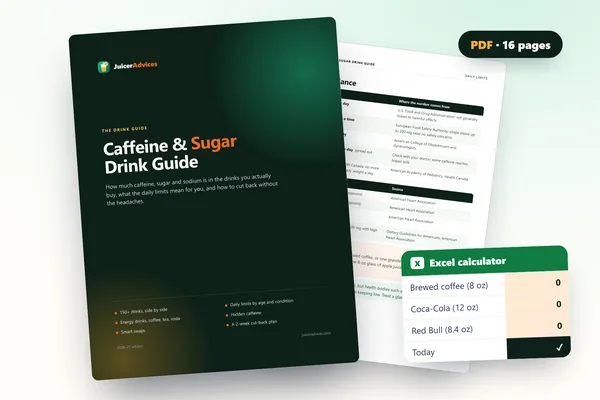 Caffeine & Sugar Drink GuideKnow exactly how much caffeine, sugar and sodium is in 150+ popular drinks, and set daily limits that fit you.Caffeine and sugar in 150+ drinksDaily limits, smart swaps and a cut-back planDaily caffeine and sugar calculator (Excel)
How to Brew Vahdam Caffeine-Free Teas for Best Flavor and Benefit
Brewing Vahdam’s caffeine-free herbal teas requires lower water temperatures and shorter steep times than traditional black or green teas. Aim for 200°F (about 93°C) and steep for 5 to 7 minutes to extract the full flavor without bitterness.
Cover your teapot or cup while steeping to trap heat and essential oils. This helps preserve the delicate flavors and beneficial compounds in herbal blends like turmeric or chamomile.
Adding a slice of lemon or a teaspoon of honey can enhance the taste and add a soothing quality, especially during cold or flu season.
Comparing Vahdam Teas to Other Popular Drinks by Caffeine and Sugar
Vahdam’s black teas contain caffeine, about 30 to 60 mg per 8 oz cup, while their herbal teas have none. In contrast, an 8.4 oz Red Bull delivers around 80 mg, and a 16 oz can of Monster energy drink packs about 160 mg of caffeine. Soda typically contains less caffeine—about 30 to 40 mg in a 12 oz can—and orange juice has no caffeine at all.
Sugar content varies widely. Vahdam’s unsweetened teas have no added sugar, unlike most sodas and energy drinks. A 12 oz soda can have 30 to 40 g of added sugar, and energy drinks often match or exceed that. Orange juice has natural sugars, roughly 21 g per 8 oz glass, which affects blood sugar differently than added sugars.
Acidity is another factor to consider. Many sodas and energy drinks are highly acidic, which can irritate sensitive stomachs and enamel. Black tea is mildly acidic but generally less so than soda. Herbal teas like chamomile and turmeric are low acid, making them gentler options for acid reflux or sensitive digestion.
| Drink | Caffeine (mg) per Serving | Sugar (g) per Serving | Serving Size |
|---|---|---|---|
| Vahdam Black Tea | 30–60 | 0 | 8 oz brewed |
| Vahdam Herbal Tea | 0 | 0 | 8 oz brewed |
| Red Bull | 80 | 27 | 8.4 oz can |
| Monster Energy | 160 | 54 | 16 oz can |
| Regular Soda | 30–40 | 33–39 | 12 oz can |
| Orange Juice | 0 | 21 (natural) | 8 oz glass |