You feel that familiar twinge, a burning sensation when you pee, and suddenly you’re scanning your kitchen for anything that might help. Apple juice often gets pulled off the shelf because it’s gentle, sweet, and seems like a safe, hydrating choice. It’s a common instinct, but it might be steering you in the wrong direction.
This article separates the myths from the facts. You’ll learn exactly how apple juice affects a urinary tract infection (UTI), why cranberry juice has unique properties apple lacks, and which drinks actually support bladder health. We’ll also cover when home remedies stop being enough and you need medical treatment.
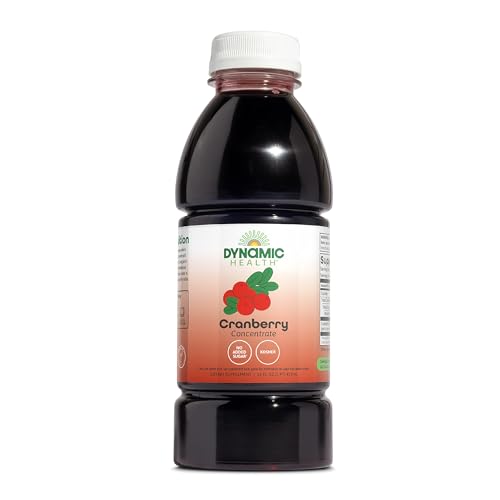
Dynamic Health
DYNAMIC HEALTH 100% Cranberry Juice Concentrate, 16…
- POTENT ANTIOXIDANT. Cranberries contain nutrients like vitamins C and E, plus the added power of the antioxidant quercetin. Antiox…
- COUNT ON CRANBERRY. You’ve probably heard that cranberries are great for urinary tract health. That’s because of proanthocyanidins…
- NO ADDED SUGAR. Our Cranberry Juice Concentrate is made without sweeteners or added sugar. It’s also Vegetarian, Gluten-Free, BPA-…
If you’re dealing with recurrent infections, you might also want to check out the UTI risk factors associated with other common drinks.

What Is a Urinary Tract Infection?
A UTI is an infection in any part of your urinary system — kidneys, ureters, bladder, or urethra. Most infections involve the lower tract, the bladder and urethra. Women get them far more often than men; roughly 50-60% of women will experience at least one in their lifetime.
The usual culprit is E. coli, bacteria that live in your gut but shouldn’t be in your urinary tract. These bacteria climb up the urethra and multiply in the bladder. Your body’s natural defenses — frequent urination and the acidity of urine — usually keep things in check. But when those defenses fail, bacteria take hold.
Symptoms include a persistent urge to urinate, a burning feeling when you go, cloudy or strong-smelling urine, and pelvic pain. Some people also notice blood in their urine. If the infection moves to the kidneys, you’ll get fever, chills, and back pain — that’s a medical emergency.
The Popular Claim: Why People Think Apple Juice Helps
The idea that apple juice helps a UTI probably comes from a few places. First, it’s a fluid, and fluids help flush the system. Second, it’s not acidic like orange juice, which many people avoid during a flare-up. Third, it tastes good, so people actually drink it.
The logic seems sound: drink more liquid, pee more often, flush out bacteria. That part is true. But not all fluids are created equal, and apple juice has a hidden problem that undermines its potential benefits.
The Science: Does Apple Juice Actually Fight Bacteria?
Let’s look at what apple juice actually contains. A typical 8-ounce glass of commercial apple juice has about 24 grams of sugar, mostly fructose and glucose. It has some vitamin C, but not a meaningful amount — around 2 milligrams per serving, about 2% of your daily needs. It has no proanthocyanidins (PACs), which are the compounds that matter most for urinary tract health.
So what does that mean for an active infection? Not much in terms of direct antibacterial action. Apple juice doesn’t kill bacteria, doesn’t prevent them from sticking to your bladder wall, and doesn’t change your urine pH in any helpful way. Its only real role is as a hydrating fluid, and you could get that from water with zero sugar.
The Sugar Problem: Fuel for Bacteria
Here’s the part most people miss. Sugar doesn’t just sit there doing nothing — it actively makes things worse. E. coli and other uropathogens use glucose as an energy source. When you drink a glass of apple juice, you’re temporarily spiking your blood sugar, and some of that sugar ends up in your urine.
Bacteria in your bladder see that sugar as a feast. Studies on bacterial growth show that higher glucose concentrations in urine lead to faster bacterial proliferation. In plain terms, you’re feeding the very organisms causing your infection.
This is particularly problematic for people with diabetes or prediabetes, who already have higher glucose levels in their urine. For them, a glass of apple juice during a UTI is genuinely counterproductive.
The Acidity Myth vs. Reality
Some people think the acidity of apple juice helps kill bacteria. That’s not quite right. Apple juice has a pH around 3.3 to 4.0, which is indeed acidic. But your stomach acid neutralizes that long before it reaches your bladder. The pH of your urine is determined by your body’s acid-base balance, not by the pH of what you drink.
In fact, some research suggests that very acidic urine can irritate an already inflamed bladder lining. Cranberry juice, for all its benefits, is also acidic, but its anti-adhesion properties make it worth the trade-off. Apple juice offers no such benefit.
Apple Juice vs. Cranberry Juice: The Key Difference
This is where the comparison gets interesting. Cranberry juice contains PACs, specifically type-A proanthocyanidins. These compounds have a unique ability: they stop E. coli from attaching to the walls of your urinary tract. Without attachment, the bacteria can’t colonize, and they get flushed out when you urinate.
Apple juice has zero PACs. None. It doesn’t matter if it’s fresh-pressed, organic, or unfiltered — apples simply don’t produce these compounds in meaningful amounts. This is the fundamental reason cranberry is the go-to for UTI prevention and apple juice is just another sweet beverage.
One product worth considering is Dynamic Health 100% Cranberry Juice Concentrate. It’s unsweetened, which matters because added sugar defeats the purpose. Each bottle packs around 4,000 cranberries, giving you a concentrated dose of those protective PACs without the sugar load of a typical juice cocktail.
If you’re comparing options, here’s a practical breakdown:
| Factor | Apple Juice | Unsweetened Cranberry Juice | Water |
|---|---|---|---|
| Sugar per 8 oz | ~24 grams | ~0 grams (pure concentrate) | 0 grams |
| Proanthocyanidins (PACs) | None | High | None |
| Antibacterial effect | None | Prevents bacterial adhesion | None |
| Calories | ~114 | ~45 (concentrate diluted) | 0 |
| Best for | Taste, general hydration | UTI prevention | Flushing bacteria |
| During active UTI | May worsen due to sugar | Acceptable, but not a cure | Best choice |
Notice that water wins for active infections. Cranberry is a prevention tool, not a treatment. And apple juice, honestly, is just a less useful version of both.
The Role of Hydration: Why Fluids Matter (But Not All Fluids)
Hydration is genuinely important for UTI prevention. When you drink enough water, you produce more urine. That urine flushes out bacteria before they can multiply and climb higher into your system. It also dilutes your urine, which reduces irritation when you do have an infection.
How much is enough? The general recommendation is about 2 liters (roughly 8 cups) of water per day for most adults. During an active UTI, you might want more — aim for 2.5 to 3 liters. A simple way to check: your urine should be pale yellow, not dark.
Here’s a sample schedule that works well:
- Wake up: 16 oz water before coffee
- Mid-morning: 8 oz water
- Lunch: 8 oz water with your meal
- Afternoon: 8 oz water, plus herbal tea
- Dinner: 8 oz water with your meal
- Evening: 8 oz water, stopping 2 hours before bed
That schedule spreads fluid intake evenly, so you’re not waking up three times at night to pee. It also keeps a steady flow of urine moving through your system all day.
One caveat: if you have heart failure or kidney disease, check with your doctor before drastically increasing fluid intake. More water isn’t better for everyone.
Better Drinks for UTI Prevention and Relief
If you want to support your urinary tract, here’s a hierarchy of what to drink, from best to worst:
- Water — the gold standard. No sugar, no calories, perfect for flushing.
- Unsweetened cranberry juice — for the PACs. Dilute it with water to cut acidity.
- Herbal teas — chamomile or ginger tea are soothing and hydrating. Avoid caffeine.
- Diluted fruit juices — if you crave flavor, mix one part juice with three parts water. This cuts the sugar load.
- Plain apple juice — drink it occasionally for taste, but don’t rely on it during a UTI.
- Sugary sodas and sweetened juice cocktails — avoid entirely. They’re concentrated sugar with no benefits.
You might wonder about other juices. Pineapple juice for swelling has some anti-inflammatory properties, but it’s also high in sugar. Freezing apple juice preserves it well, but freezing doesn’t add any UTI-fighting properties. It’s still just sugar water with a nice taste.
When to See a Doctor: Red Flags You Shouldn’t Ignore
Home remedies like drinking more water or cranberry juice can help prevent UTIs, but they don’t cure an active one. If you have symptoms, you need to be realistic about what fluids can and cannot do.
See a doctor if you experience any of these:
- Symptoms lasting more than 48 hours without improvement
- Blood in your urine
- Fever or chills
- Pain in your lower back or sides
- Nausea or vomiting
- You’re pregnant
- You have recurrent UTIs (more than two in six months)
Antibiotics are the standard treatment for a confirmed UTI. A short course, often 3-5 days, clears most infections. Delaying treatment increases the risk of the infection spreading to your kidneys, which is far more serious and requires hospitalization.
Drinking fluids while on antibiotics is still a good idea — it helps flush dead bacteria and soothes irritation. But don’t skip the medication in favor of juice. That’s a gamble that can cost you a kidney infection.
Frequently Asked Questions
Can apple juice flush out a UTI?
No. Apple juice is mostly water and sugar. The water part helps you urinate, but the sugar feeds bacteria. If you’re going to drink juice, choose unsweetened cranberry instead. For pure flushing, water is better than any juice.
Is apple juice good for your kidneys?
In moderation, apple juice is fine for healthy kidneys. It’s hydrating and contains some antioxidants. But if you have kidney stones, the oxalates in apples could be a concern. And for anyone with diabetes or kidney disease, the sugar content makes it a poor choice. Water is always the safer bet.
The Bottom Line: What to Drink Instead
Apple juice won’t cure a UTI, and it might make one worse by feeding bacteria. The science is clear: sugar fuels E. coli growth, and apple juice has plenty of sugar. Cranberry juice has PACs that prevent bacterial adhesion, making it a legitimate prevention tool. Water is the best treatment and prevention aid.
Here’s what to remember:
- Apple juice has no antibacterial properties and its sugar can worsen an active UTI.
- Unsweetened cranberry juice contains PACs that stop bacteria from sticking to your bladder.
- Drink at least 2 liters of water daily for UTI prevention.
- During an active infection, water is your best friend; skip sweetened drinks entirely.
- See a doctor if symptoms last more than 48 hours or if you develop fever or back pain.
- Antibiotics are the only effective treatment for a confirmed UTI.
- If you want cranberry benefits, choose a pure concentrate like Dynamic Health cranberry concentrate — check the current price on Amazon.
Your urinary tract doesn’t need apple juice. It needs water, time, and if necessary, antibiotics. Give it those, and you’ll be back to normal faster than if you’d reached for that glass of sweet apple cider.


