Antioxidant Benefits of Drinking Cranberry Juice: Good or Bad for You?
On this page 6 sections
Cranberry juice has a reputation as a health-boosting drink because of its antioxidant content and traditional use for urinary tract health. Packed with vitamin C, polyphenols, and unique compounds called proanthocyanidins, it helps fight oxidative stress and may support your heart and bladder.
But not all cranberry juices are equal, and some people need to be cautious about how much they drink due to sugar, acidity, or medication interactions. This article breaks down the antioxidant benefits of cranberry juice, who should limit it, and what safer alternatives you can consider.
Antioxidant Benefits of Drinking Cranberry Juice
Cranberry juice offers antioxidant benefits that support heart health, urinary tract function, and immune defense. Drinking about 8 oz (1 cup) of unsweetened cranberry juice daily delivers antioxidants like vitamin C, vitamin E, proanthocyanidins, and quercetin that help neutralize free radicals and reduce oxidative stress.
These antioxidants work by neutralizing free radicals, unstable molecules that can damage cells and contribute to chronic diseases. By balancing oxidative stress, cranberry juice antioxidants may help protect your heart and support your body’s natural defense against infections.
Key antioxidants in cranberry juice include vitamin C, which provides roughly 30% of the daily value in an 8 oz serving, and vitamin E, both known for their immune-boosting and cell-protective roles. Proanthocyanidins, unique to cranberries, may help prevent bacteria from sticking to the urinary tract lining, lowering infection risk. Quercetin, a flavonoid antioxidant, adds further anti-inflammatory and heart-protective effects.
An 8 oz glass of 100% cranberry juice typically contains about 25 to 30 grams of natural sugar, so it’s wise to choose unsweetened options to avoid added sugars that can impact blood sugar and weight. Cranberry juice cocktails, often sweetened, contain more added sugars and fewer antioxidants, making them less beneficial for health.
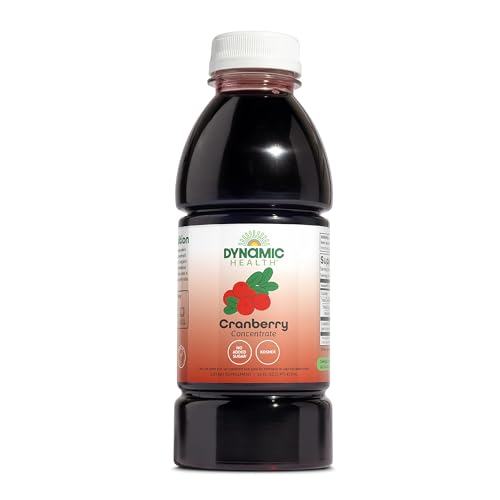
Unsweetened cranberry juice stands apart by providing intact antioxidants without sugar spikes, making it a better choice if you are watching your sugar intake or managing conditions like diabetes. The antioxidants contribute to heart health by improving blood vessel function and reducing inflammation, while their role in immune support helps during cold and flu seasons.
| Antioxidant | Typical Amount |
|---|---|
| Vitamin C | ~30% Daily Value (about 18 mg) |
| Vitamin E | ~2 mg |
| Proanthocyanidins | Significant levels unique to cranberries |
| Quercetin | Present in small amounts |
Who Should Limit or Avoid Cranberry Juice
Cranberry juice has side effects and interactions that mean some people should avoid or limit it. Its acidity can irritate reflux and sensitive mouths, while the natural oxalates may increase kidney stone risk in vulnerable individuals.
If you take warfarin or other blood thinners, you need to keep cranberry juice intake consistent or discuss it with your healthcare provider. Cranberry juice can affect how these medicines work, potentially raising bleeding risk.
The juice’s acidity can worsen heartburn or acid reflux symptoms. If you notice burning or discomfort after drinking it, it’s best to cut back or switch to less acidic drinks.
People prone to kidney stones should be cautious. Cranberries contain oxalates, compounds that can contribute to certain types of stones. Drinking large amounts increases this risk, especially combined with the juice’s acidity.
Added and natural sugars in cranberry juice can impact blood sugar levels and weight management. If you have diabetes or are watching your sugar intake, look for unsweetened or low-sugar options and limit serving size.
Individual factors matter a lot. Your stage of kidney disease, reflux severity, medication, and overall health all change what’s safe. Always ask your doctor or pharmacist before making cranberry juice a regular part of your diet.
Safer Alternatives to Cranberry Juice for Antioxidant Support
Water and herbal teas are the safest antioxidant sources. They hydrate without acidity or added sugar, making them ideal for most people.
Unsweetened grape and pomegranate juices provide antioxidants like polyphenols too, often with less acidity than cranberry juice. Choose versions without added sugars or artificial colors.
Vitamin C-rich foods and drinks, such as orange or kiwi juice, also support antioxidant needs but watch for sugar content. Fresh fruit and vegetables offer antioxidants with fiber and fewer calories.
Avoid juices with added sugars and artificial colors, which can add calories without benefits and worsen blood sugar control. Labels help you pick cleaner options.
If urinary health is your goal, some unsweetened antioxidant juices can help. Check related advice on antioxidant juices and urinary tract health for tailored choices.
 Home Juicing Starter KitMake fresh juice that tastes good, costs less and keeps safely: 40 recipes with exact amounts, a yield chart and a 4-week plan.40 juice, smoothie and shot recipesYield, storage and food-safety chartsCost, yield and shopping-list calculator (Excel)
Side Effects and How Much Cranberry Juice Is Safe
About 8 oz (1 cup) of cranberry juice daily is the right amount for most people to enjoy antioxidant benefits without common side effects.
Drinking more than this—especially over 16 oz (2 cups) a day—can lead to stomach upset, diarrhea, or irritation inside the mouth due to the juice’s acidity and natural compounds.
Cranberry juice contains natural sugars that add calories; one cup can have around 25 to 30 grams of sugar, which matters if you watch your calorie intake or blood sugar.
Excess intake may increase the risk of kidney stones in susceptible individuals because of the juice’s oxalate content, and acidity might worsen symptoms for those with reflux or sensitive stomachs.
Pay attention to any new symptoms after drinking cranberry juice and reduce your amount if you notice discomfort. Adjusting your intake helps balance benefits with side effects.
| Serving Size | Sugar (g) | Calories |
|---|---|---|
| 8 oz (1 cup) | 25-30 | 110-120 |
| 16 oz (2 cups) | 50-60 | 220-240 |
What To Do Next: Drinking Cranberry Juice Safely
Start by drinking 4 to 8 oz of cranberry juice once a day. Check the label to choose a product that is 100% juice with no added sugars or sweeteners.
If you are taking medications, especially blood thinners, or have kidney issues, discuss cranberry juice with your healthcare provider before adding it regularly to your diet.
Diluting cranberry juice with water or mixing it into smoothies can reduce acidity, which may help if you experience stomach discomfort or have reflux.